Common Problems with Used Restaurant Equipment and How to Fix Them
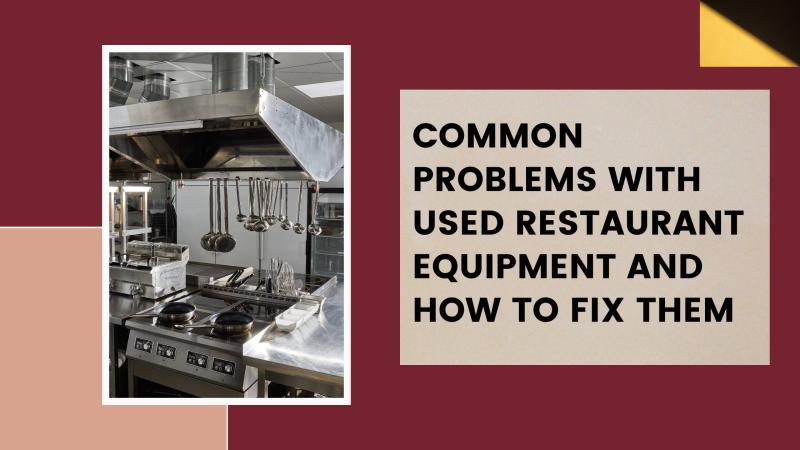
Opening a restaurant takes a serious investment. Between securing a location, hiring staff, and building a menu, expenses stack up quickly. One way many Austin restaurant owners manage costs is by purchasing used equipment instead of brand-new pieces. It’s a smart move — if you know what you’re getting into.
Used restaurant equipment can be a great deal, but like anything second-hand, it can come with its own set of problems. Whether you’re buying a commercial refrigerator, an oven, or a deep fryer, it’s important to know the common issues you might run into and how to fix them.
In this article, we’ll discuss the most common problems found in used restaurant equipment Austin businesses face and provide clear, actionable ways to address them. Whether you’re running a taco joint on South Congress or a BBQ spot near East Austin, this guide will help you make the most of your investment.
Why Buy Used Restaurant Equipment in Austin?
Before diving into the problems, let’s quickly touch on why buying used equipment makes sense for so many Austin restaurant owners:
Cost savings: Used equipment typically sells for 30% to 70% less than new.
Availability of trusted brands: You can find high-end, well-built brands at a fraction of the original cost.
Faster access: No long manufacturer lead times or shipping delays.
Eco-friendly choice: Keeps good equipment out of landfills.
That said, used equipment often has some miles on it — and knowing what to look out for can save you a lot of stress later on.
1. Worn Electrical Components
One of the most common issues with used restaurant equipment Austin owners face involves electrical parts. Over time, power cords, switches, heating elements, and control boards can wear down or stop working.
Signs to Watch For:
Equipment won’t power on consistently
Flickering lights on control panels
Burnt or frayed wires
Strange smells (burning plastic or ozone scent)
How to Fix It:
Inspect power cords: Replace any that show wear, cracks, or exposed wires.
Test control panels: Use a multimeter to check for proper voltage.
Replace faulty switches or elements: Most are affordable and widely available from local restaurant supply stores.
Schedule professional servicing for large or complicated units like commercial ovens or refrigeration systems.
2. Refrigeration Problems
Cold storage is the backbone of any kitchen. Used refrigerators, freezers, and prep tables are popular purchases — but they can develop issues.
Common Problems:
Temperature fluctuations
Ice buildup inside units
Loud or irregular compressor sounds
Doors not sealing properly
How to Fix It:
Clean condenser coils: Dust and debris reduce cooling efficiency.
Check door gaskets: Replace torn or hardened seals to maintain proper temperatures.
Level the unit: If not perfectly level, doors may not close correctly.
Defrost buildup manually: Turn off and allow ice to melt, then restart.
Call a refrigeration technician if compressors or fans fail.
Austin’s heat makes refrigeration problems especially urgent, so routine checks are a smart habit.
3. Worn or Dull Blades on Kitchen Equipment
Choppers, slicers, mixers, and food processors are workhorses in busy kitchens. With used restaurant equipment, Austin kitchens often purchase blades and moving parts that might be past their prime.
Warning Signs:
Uneven slicing or chopping
Machines overheating or straining
Visible rust or dull edges on blades
Fixes:
Sharpen or replace blades: Always keep backup blades on hand.
Lubricate moving parts: Use food-safe lubricants to prevent overheating.
Tighten loose components: Blades and fixtures should be secure.
Regular maintenance will dramatically extend the lifespan of these tools.
4. Clogged or Slow-Draining Grease Traps
Another common issue with used restaurant equipment Austin buyers encounter involves grease traps in sinks, fryers, and dishwashing areas. A neglected grease trap can cause serious plumbing issues.
Signs You’ve Got a Problem:
Slow draining sinks
Foul odors near sink areas
Visible grease buildup
How to Fix It:
Manually clean small traps: Scrape out solidified grease regularly.
Schedule professional cleaning for larger systems.
Install strainers and screens to keep solids out of drains.
Maintaining a clean grease trap isn’t just about performance — it’s a health code requirement in Austin.
5. Gas Appliance Issues
Gas-powered equipment like ranges, charbroilers, and fryers are restaurant staples, but with used equipment, gas leaks or ignition failures can happen.
What to Look For:
Burners won’t light or stay lit
Strange gas smells
Unusual orange flame instead of blue
Quick Fixes:
Check connections: Make sure hoses and fittings are tight.
Clean burners: Remove buildup with a stiff brush.
Test pilot lights: Relight or replace faulty ignition systems.
Use leak detection spray: Spot leaks around connections.
Gas safety is no joke. If you suspect a leak, shut off the gas immediately and call a licensed technician.
6. Dirty or Damaged Interior Surfaces
When buying used restaurant equipment in Austin, grease, burnt residue, or minor dents are often found inside ovens, fryers, and refrigerators.
Problems It Can Cause:
Impacts food safety
Creates unpleasant odors
Can affect performance and temperature consistency
What to Do:
Deep clean equipment before first use.
Use a degreaser for stubborn buildup.
Replace cracked or rusted racks and trays.
Resurface metal interiors if needed (with heat-safe, food-safe materials).
Always inspect interiors before buying and negotiate price adjustments for damaged surfaces.
7. Faulty Temperature Controls
Whether it’s an oven, a freezer, or a soup warmer, precise temperature control is non-negotiable in a professional kitchen.
Common Symptoms:
Food overcooks or undercooks
Refrigerators that don’t stay cold enough
Appliances with unresponsive knobs or buttons
How to Correct It:
Calibrate thermostats: Follow manufacturer instructions or call a technician.
Replace temperature probes and sensors as needed.
Upgrade control panels on older models if replacements are available.
Used restaurant equipment Austin kitchens rely on should always be checked for accuracy before use.
8. Outdated or Missing Safety Features
Modern restaurant equipment comes with built-in safety features like auto shut-offs, pressure release valves, and flame sensors. Older, used equipment might lack these safeguards.
Dangers Include:
Increased fire risk
Burns or electric shock
Health code violations
Solutions:
Retrofit safety upgrades where possible.
Add external safety devices like timers and temperature monitors.
Replace high-risk items
Post Your Ad Here
Comments