What Packaging Materials Are Good for Coconut Oil?
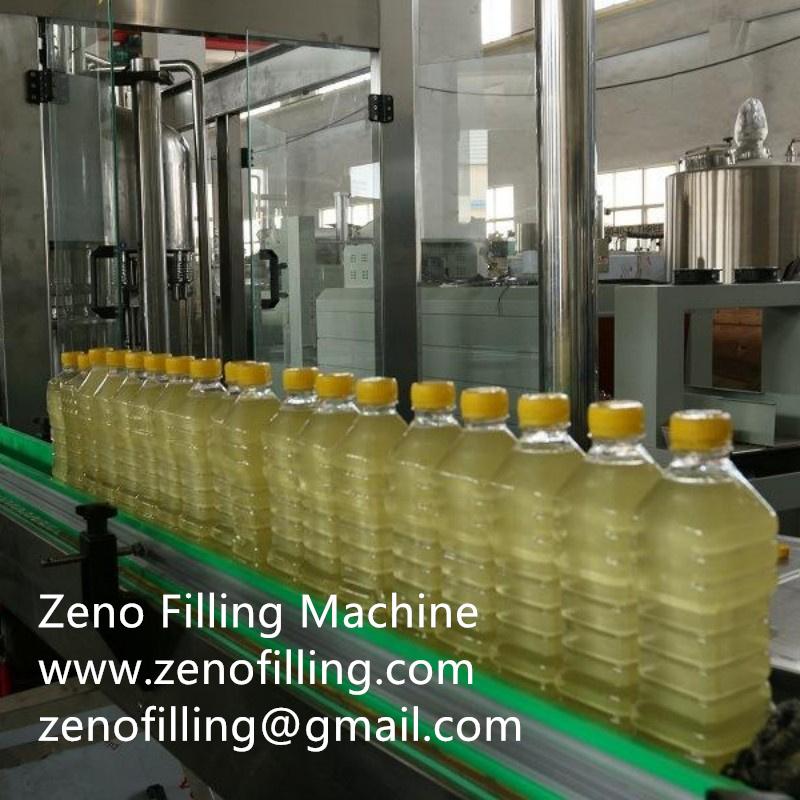
No food product, including coconut oil products, can be considered safe to eat without proper packaging. The main goal is to contain the product, prevent leakage, and protect the contents against chemical, physical, and biological threats that exist during the product’s shelf life.
The quality and usefulness of coconut liquid goods depend on their container. You should think about how long you want the coconut liquid product to last and what it will be used for before deciding on the best packing material.
Coconut liquid goods rely heavily on their packaging to maintain their quality and freshness for as long as possible. Among these measures is the preservation of coconut liquid products from the chemical and microbiological degradation that might occur when exposed to air and moisture during their storage period.
More essential, packaging must retain and prevent leaks by oil filling machine. Significantly, the packaging has to contain and prevent leaks. It must protect coconut liquid goods against physical damage all through its shelf life.
Factors that Could Change the Oil’s Quality
The first step is to examine the package for any issues that can compromise the oil’s quality. What we mean is:
How much oxygen is present in the packaging’s headspace while the product is inside.
Oxidation through autocatalysis
The energy-rich light penetrates the packaging and sets in motion the oxidation.
The process of transferring substances from containers to oil.
Conditions such as humidity and temperature during the storage period.
Odors coming through the sides of the package walls.
Now let’s move on to the coconut oil packing materials. The most common forms of packaging for coconut oil are:
Packaging Materials that are Good for Coconut Oil
Glass
One typical container for coconut oil is a glass bottle. Because of its excellent sealing and antioxidant capabilities, it helps in keeping coconut oil fresh and of high quality. Glass containers also work well to shield coconut oil from light, which is an oxidizer and deteriorator.
Glass jar: Glass jars are reusable and stylish, and are common in high-end products. Glass’ inertness preserves coconut oil’s integrity.
Glass bottle: You may fill lotions and oils enriched with coconut into glass bottles.
glass bottle coconut oil
Plastic
Some of the most popular ways that you can pack coconut oil is in plastic bottles. Not only is it inexpensive, but it is also easy to transport. To keep air and moisture out of the bottle and coconut oil’s quality intact, it’s important to choose a plastic container that satisfies food grade regulations and has high sealing quality.
HDPE bottle: Inexpensive and long-lasting, high-density polyethylene (HDPE) bottles are a great choice.
Polypropylene bottle: Many coconut liquid products come in bottles made of blow-molded polypropylene.
Plastic squeeze bottle: You may store gel moisturizers and coconut cream in plastic squeeze bottles with a flip top.
Plastic jar: You may store products for a long time in clear plastic jars that seal tightly.
coconut oil in plastic bottle
Iron Can
Coconut oil also works well in iron cans. Its sealing ability and high-pressure resistance make it ideal for preserving coconut oil from outside factors. Because of their durability and ability to keep out air and light, metal cans are ideal for storing coconut oil.
Be cautious not to rust or cause any other issues while handling iron can in liquid filling machine, which comes at a pretty high price.
Air and light protection: To prevent the oil from going bad, which might happen due to exposure to air and light, manufacturers use metal cans for packaging.
Durable: You may store oil in metal cans as they are strong and resistant to heat.
Improved storage life: Products that need a longer shelf life are more suitable for metal cans.
Bulk usage: Metal cans are best for large-scale applications including repackaging, industrial processing, or cooking.
coconut oil in iron cans
Light-Proof Packaging
Some coconut oil manufacturers additionally use light-proof packaging to increase the oil’s storage life, as light has a stronger effect on coconut oil. To keep coconut oil’s quality intact, it’s best to use light-proof materials like black aluminum film while packaging it.
In addition, aseptic canning and small bag packaging are two more options that you may choose depending on the manufacturing and transportation requirements of coconut oil.
While compact bag packaging is practical for customers and contributes to waste and pollution reduction, aseptic canning guarantees the cleanliness and safety of coconut oil throughout manufacturing and transportation.
Post Your Ad Here
Comments