Paneles Japoneses: Functional Elegance for Your Home
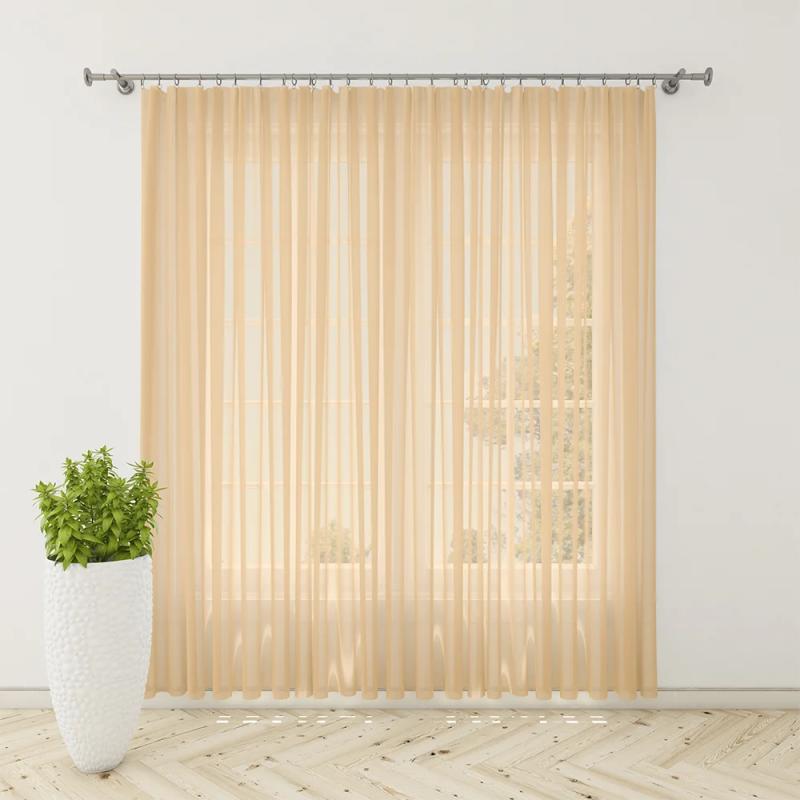
Japanese panels represent a versatile decorative solution that combines functionality and aesthetics with a distinctive oriental touch. There are a lot of such products in the Paneles Japoneses store in Barcelona. These curtain systems, inspired by traditional Japanese sliding doors known as "shoji," have evolved to become a modern and elegant option for dividing spaces and controlling light in contemporary homes.
Origins and Evolution of Japanese Panels
Japanese panels have their roots in traditional Japanese architecture, where rice paper separators mounted on wooden frames served as flexible space dividers. This design philosophy was based on spatial efficiency and harmony with the environment.
Today, these decorative elements have been adapted to meet modern needs, maintaining their minimalist essence while incorporating contemporary materials and more sophisticated installation systems. The transformation of this traditional Japanese element into a western decoration product is a perfect example of cultural fusion in interior design.
Main Characteristics of Japanese Panels
Japanese panels are distinguished by several characteristics that make them unique in the world of decoration:
| Characteristic | Description |
|---|---|
| Vertical Design | Long rectangular panels that slide on parallel tracks |
| Sliding System | Rail mechanism that allows smooth and silent movement |
| Overlapping | Panels can overlap for precise light control |
| Minimalism | Clean lines and simple shapes that convey serenity |
| Versatility | Adaptable to different decorative styles and functional needs |
Visual lightness is another distinctive element of these panels, which despite covering large surfaces, maintain an ethereal appearance that doesn't overload the space.
Available Materials and Fabrics
The variety of materials available for Japanese panels is extraordinarily wide, allowing adaptation to any decorative style:
- Natural fabrics: Linen, cotton, jute, and bamboo add texture and warmth
- Synthetic materials: Polyester and PVC offer durability and ease of cleaning
- Technical fabrics: Fire-resistant, acoustic, or thermal properties materials
- Solar screens: Control light while maintaining exterior visibility
- Opaque panels: Provide total privacy and light blocking
- Translucent combinations: Allow filtered light passage creating soft environments
Selecting the appropriate material will depend on both the desired functionality and the aesthetic style you want to achieve. Natural fiber panels, for example, create warmer and more organic environments, while synthetics can offer greater resistance and more contemporary design options.
Functional Advantages of Japanese Panels
The growing popularity of Japanese panels is due to their numerous practical advantages:
Light Control and Privacy
Japanese panels allow precise control of brightness by being able to adjust their exact position, creating environments ranging from luminous spaces to areas with total privacy. Partial panel overlap allows for adjusting the amount of light entering the room.
Space Optimization
Unlike traditional curtains that take up space when open, Japanese panels slide taking up minimal lateral space, making them ideal for large windows and sliding doors. This feature is especially valuable in homes with space limitations.
Versatility as Room Dividers
One of the most innovative applications of Japanese panels is their use as temporary space separators. They allow converting an open space into differentiated environments when needed, and returning to an open space simply by sliding the panels. This flexibility is perfect for:
- Separating work areas in multifunctional spaces
- Creating temporary bedrooms in studios or lofts
- Delimiting areas in open spaces without losing luminosity
- Hiding storage areas or less aesthetic corners
Acoustic Properties
Depending on the chosen material, Japanese panels can significantly contribute to acoustic absorption, improving the sound comfort of the space. There are specific options with sound-absorbing properties for spaces where noise control is important.
Aesthetics and Design
Japanese panels stand out for their ability to completely transform the aesthetics of a space:
Visual Impact
The vertical arrangement of the panels creates lines that visually stylize the space, making ceilings appear higher. This optical effect can be very beneficial in spaces with low ceilings or small rooms.
The dynamic movement these panels allow adds an interactive element to the decoration, allowing you to modify the appearance of the room with a simple gesture.
Harmony with Different Decorative Styles
Despite their oriental origin, Japanese panels have demonstrated a surprising ability to integrate into multiple decorative styles:
- Minimalist style: Enhance visual cleanliness and absence of ornaments
- Nordic decoration: Perfectly complement bright and functional environments
- Contemporary interiors: Add sophistication with simple lines and technical materials
- Rustic environments: In natural materials, add warmth and texture
- Zen spaces: Reinforce the philosophy of serenity and connection with nature
Installation Systems and Mechanisms
The functionality of Japanese panels largely depends on their installation system:
Rails and Guides
The track system is fundamental for the correct functioning of Japanese panels. It generally consists of:
- High-resistance aluminum or PVC rails
- 2 to 5 track systems depending on the desired overlap
- Silent sliding mechanisms
- Ceiling or wall installation options
The most advanced systems include motorized mechanisms that allow controlling the panels via remote controls or integrating them into home automation systems.
Attachment Options
Panels can be attached to the rail system through different methods:
- Adhesive velcro: For temporary or lightweight installations
- Clip system: Facilitates disassembly for cleaning
- Aluminum profiles: Provide greater stability and durability
- Tensioning rods: Keep the panel perfectly stretched
Choosing the right system will depend on the weight of the material, panel dimensions, and expected frequency of use.
Maintenance and Care
To keep Japanese panels in optimal condition for years, it's important to follow some basic recommendations:
- Regular cleaning: Gentle vacuuming to remove surface dust
- Specific treatment: According to the material, following manufacturer's instructions
- Careful handling: Avoid tugs and sudden movements when sliding
- Periodic review: Check the condition of rails and sliding mechanisms
- Sun protection: For materials sensitive to discoloration, consider their exposure to the sun
Synthetic fabric panels are usually more resistant and easier to maintain, while natural ones may require specific care to preserve their texture and color.
Customization and Current Trends
The current market offers endless possibilities for customizing Japanese panels:
Digital Printing and Exclusive Designs
Digital printing technology allows creating Japanese panels with totally customized designs, from enlarged photographs to exclusive patterns. This option is gaining popularity as an element to create decorative focal points.
Color Trends
Current trends in Japanese panels lean towards:
- Neutral tones for serene and timeless spaces
- Block colors in multicolor compositions for creative spaces
- Subtle gradients that play with transparency and light
- Minimalist geometric patterns in line with Nordic trends
Mixed Combinations
A growing trend is the combination of panels with different degrees of opacity in the same installation, creating visual and functional plays. For example, alternating opaque with translucent panels allows controlling privacy while maintaining brightness.
Specific Applications
Japanese panels find optimal applications in various spaces:
Large Windows and Sliding Doors
Their design makes them perfect for covering large glass surfaces without the problems presented by traditional curtains. The parallel rail system allows covering large-sized windows while maintaining functionality.
Dressing Rooms and Closets
As substitutes for conventional doors, Japanese panels bring lightness and elegance to dressing rooms and storage areas, also allowing wider access to the contents.
Professional Spaces
In offices and commercial spaces, Japanese panels offer solutions for:
- Creating temporary meeting rooms
- Dividing work areas while maintaining natural light
- Managing privacy in shared spaces
- Improving acoustics in open spaces
Sustainability and Eco-Friendly Options
Growing environmental awareness has driven the development of more sustainable Japanese panels:
- Fabrics made with recycled fibers
- Natural materials from sustainable crops
- Ecological inks for prints and impressions
- Production systems with lower carbon footprint
These ecological options not only benefit the environment but also contribute to creating healthier interior spaces, free of harmful chemical compounds.
Conclusion: The Timeless Value of Japanese Panels
Japanese panels represent a decorative solution that has transcended passing trends thanks to their perfect combination of functionality, aesthetics, and adaptability. Their ability to evolve by incorporating new materials, technologies, and aesthetic trends, while maintaining their minimalist and practical essence, makes them a lasting investment for any home.
In a world where we increasingly value flexible spaces, natural light, and conscious design, Japanese panels present themselves as an elegant response that honors their traditional roots while satisfying contemporary needs for decoration and spatial organization.
Post Your Ad Here
Comments