Are fingerprint door locks secure
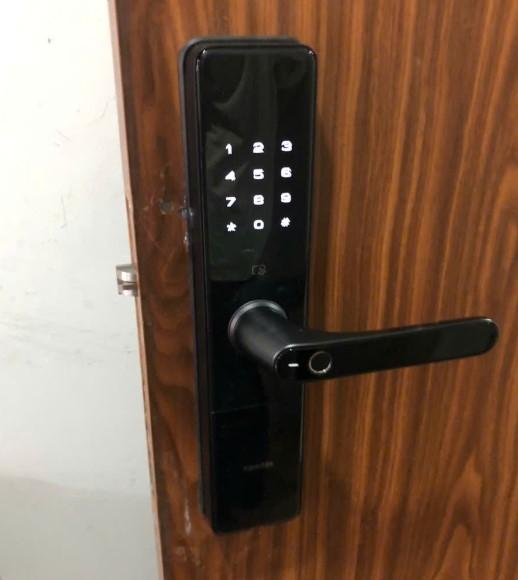
In the era of digital transformation, where smart devices are becoming a staple in modern households, fingerprint door locks have emerged as a trendy and innovative replacement for traditional lock-and-key systems. Promoted for their convenience, high security, and sleek aesthetics, these smart locks are becoming increasingly popular among homeowners and businesses alike. But behind their polished appearance, the question remains: Are fingerprint door locks genuinely safe?
The Benefits That Make Fingerprint Locks Stand Out
To begin with, it's important to highlight the undeniable advantages fingerprint locks offer. One of their most significant strengths lies in security. Fingerprint recognition is based on biometric data – and no two individuals have the same fingerprints. This nearly eliminates the risk of impersonation or unauthorized duplication, making them far more secure than conventional locks. For example, the Kaadas fingerprint lock, which uses Swedish FPC fingerprint technology, offers near-absolute security and protection.
Moreover, the materials used to manufacture fingerprint locks are typically high-quality metals, such as zinc alloy or stainless steel. These materials provide strong resistance against external impact and tampering. Many models are also equipped with built-in alarms that trigger when forced entry is detected or when multiple incorrect attempts are made.
In terms of user experience, fingerprint locks are surprisingly easy to use. Contrary to the misconception that technology-based systems are difficult, especially for the elderly, these locks are designed with user-friendly interfaces. With minimal instruction, every member of the household can operate the system smoothly.
A huge plus is the convenience factor – your finger becomes your key. This means no more fumbling for keys, carrying bulky keychains, or worrying about losing them. Just a simple touch grants you access, saving you time and effort.
Fingerprint locks also boast fast access times, often unlocking in under one second after recognizing a registered fingerprint. Some models even feature automatic locking mechanisms, which secure the door within seconds after you’ve walked away – eliminating the need to manually lock it like with standard digital locks.
On top of that, aesthetic design is a major appeal. With many reputable brands offering a wide variety of styles and finishes, these locks not only offer functionality but also enhance the look of your home, blending seamlessly into modern interiors.
What Are the Downsides of Using Fingerprint Door Locks?
Despite their many benefits, fingerprint locks aren't without flaws. One major concern is the prevalence of counterfeit or low-quality products. Due to rising demand, some sellers take advantage of consumers by distributing cheap imitations, often imported from unregulated manufacturers. These units may malfunction or be easier to breach, so choosing a trusted vendor is essential.
Another limitation is that they’re only functional for users with clearly defined fingerprints. People with faint prints, scars, or skin conditions may find it difficult to use these systems, as the sensors might fail to recognize them. Wet or dirty fingers can also interfere with the recognition process.
Additionally, most fingerprint locks are not weatherproof, meaning they shouldn’t be installed in exposed outdoor areas. Prolonged exposure to rain and moisture can damage the sensor or cause it to malfunction, affecting the lock’s lifespan and reliability.
Another technical consideration is that not all doors are suitable for fingerprint locks. These devices usually require doors of a certain thickness for installation, which can be a hurdle for some households. Custom adjustments might be necessary, which could incur additional costs.
Lastly, though rare, there is the potential risk of fingerprint spoofing. Skilled intruders could, in theory, recreate a fingerprint from residual prints left on the sensor to trick the system. While this is difficult and requires sophisticated tools, it’s a vulnerability worth acknowledging, especially in high-security environments.
In conclusion, fingerprint door locks represent a significant leap forward in home security and convenience. They combine cutting-edge technology with practical benefits, making everyday life easier and more secure. However, no security system is entirely foolproof.
The key lies in making smart choices: choose reputable brands, avoid low-quality knockoffs, and understand the limitations of the technology. If you're someone who values convenience, modern design, and enhanced security, a fingerprint door lock is a worthy investment. But remember – even the smartest technology still requires smart usage.

Post Your Ad Here
Comments