Common Misconceptions About Air Conditioning Usage And Efficiency
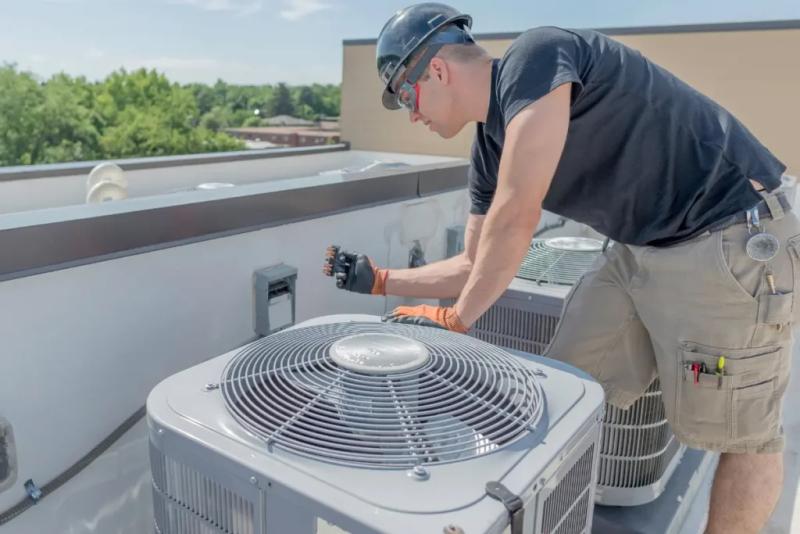
Air conditioning (AC) systems have become a fundamental part of modern life, particularly in warmer climates or during sweltering summers. Despite their widespread usage, there are numerous myths and misunderstandings that persist about how air conditioners work and how they should be used to maximize efficiency. These misconceptions can lead not only to higher utility bills but also to reduced performance and even unnecessary strain on the unit. Dispelling these myths is essential for users to make informed decisions, save energy, and prolong the life of their systems.
Lowering
the Thermostat Cools the Room Faster
One of the most common misunderstandings is that setting the thermostat to a much lower temperature will cool a space more quickly. In reality, air conditioners operate at a fixed rate. Whether the thermostat is set to 72°F or 60°F, the cooling process occurs at the same pace. The only difference is that the unit will continue to run until the lower set temperature is reached, often leading to excessive energy consumption and overcooling. Instead of accelerating cooling, this practice merely increases the duration the system operates, which results in higher energy bills and unnecessary wear on components. AC Services Riverside
Leaving the
AC Running All Day Is More Efficient
Some people believe that maintaining a constant temperature by running the AC all day is more energy-efficient than turning it off and on. However, this is generally untrue. Allowing the system to run continuously throughout the day uses significantly more electricity, especially during periods when the home is unoccupied. A better alternative is to use a programmable or smart thermostat to adjust the temperature based on occupancy. For instance, raising the temperature while away and lowering it shortly before returning home can lead to considerable energy savings without sacrificing comfort.
Bigger
Units Always Perform Better
Another widespread misconception is that larger air conditioning units offer superior cooling performance. While it might seem logical that a bigger unit would cool more effectively, the truth is that an oversized AC can be detrimental. An excessively large unit will cool the air too quickly without properly dehumidifying it, leading to a cold but clammy indoor environment. Additionally, the constant cycling on and off due to rapid cooling increases wear and tear and reduces efficiency. Proper sizing based on square footage, insulation, and climate is essential for optimal performance.
Closing Vents
in Unused Rooms Saves Energy
It’s often assumed that closing vents in unused rooms helps save energy by redirecting air to occupied areas. However, most modern HVAC systems are designed to work with a balanced airflow. Blocking vents can disrupt this balance, increase pressure within the ductwork, and force the system to work harder. Over time, this can lead to reduced efficiency, uneven cooling, and potential damage to the system. A better approach would be to invest in a zoning system or smart vents that can dynamically adjust airflow without compromising system integrity.
Ceiling
Fans Cool Rooms, Reducing AC Usage
Ceiling fans are frequently touted as a method to cool rooms and reduce reliance on air conditioning. While fans can enhance comfort by circulating air and creating a wind-chill effect on the skin, they do not lower the temperature in the room. If left on in unoccupied rooms, fans can add to the energy load rather than reduce it. They are best used in tandem with air conditioners to allow the thermostat to be set a few degrees higher while maintaining comfort. Remember to turn fans off when no one is in the room. AC Installation San Bernardino
Regular
Maintenance Isn’t Necessary
Some homeowners only call a technician when there is a noticeable issue with their AC unit, assuming that maintenance is optional. In truth, routine maintenance is crucial for the long-term efficiency and durability of any air conditioning system. Dirty filters, clogged coils, and low refrigerant levels can significantly impact performance and energy use. Scheduling annual check-ups, replacing filters every few months, and keeping outdoor units clean are basic but critical practices that ensure optimal operation and prevent costly repairs down the line.
Energy
Efficiency Ratings Don’t Matter
Ignoring the energy efficiency rating of an air conditioner is another common mistake. Many consumers focus solely on the upfront cost without considering long-term operational expenses. The Seasonal Energy Efficiency Ratio (SEER) is a standard measure of AC efficiency, and higher SEER-rated units consume less electricity to provide the same level of cooling. While units with higher SEER ratings might cost more initially, they often pay for themselves in savings over time. Choosing an energy-efficient model can significantly reduce a household's carbon footprint and utility expenses.
Windows and
Doors Don’t Impact Efficiency Much
Underestimating the impact of open windows and poorly sealed doors is a significant oversight. Even with the most advanced AC system, cool air can escape through gaps, and warm air can enter, making the system work harder. Ensuring that windows and doors are properly sealed and using thermal curtains or blinds can dramatically improve indoor temperature regulation. In addition, upgrading to double-glazed windows can provide better insulation, reducing the load on the air conditioning system and increasing overall energy efficiency. AC Services Orange County
Thermostat
Placement Is Inconsequential
Many people don’t give much thought to where the thermostat is located in their home, but its placement can drastically affect how the AC functions. A thermostat positioned near a heat source, like a kitchen, a window with direct sunlight, or even a lamp, can register inaccurately high temperatures. This leads the AC to run longer than necessary, increasing energy use. The best location for a thermostat is on an interior wall, away from direct sunlight, drafts, and heat-producing appliances, to ensure it reads an accurate room temperature.
All Air
Conditioning Systems Are the Same
Finally, a prevalent misconception is that all air conditioning systems are essentially identical in functionality and quality. In reality, there are many types of AC systems—central, ductless mini-split, window units, and portable units—each with unique features, capabilities, and efficiencies. The best system for a home depends on various factors, including the size of the space, budget, insulation, and regional climate. Consulting with a qualified HVAC professional is essential to ensure you choose the most appropriate and energy-efficient solution for your specific needs.
These experts can assess factors such as the size of the space, insulation, and climate conditions to recommend systems that provide optimal performance while reducing energy costs. Their guidance can save you time, money, and future headaches by ensuring your heating and cooling system is tailored to your unique situation. Understanding the nuances of air conditioning usage is vital for ensuring comfort, saving money, and reducing environmental impact.
Many people unknowingly follow outdated advice or fall into the trap of popular myths that can be counterproductive. By recognizing and correcting these common misconceptions—such as the effects of thermostat settings, the real purpose of fans, and the importance of regular maintenance—homeowners can optimize the efficiency and lifespan of their systems. Education and awareness are the first steps toward smarter, more sustainable cooling practices. With informed decisions, it’s possible to stay cool without breaking the bank or straining the planet’s resources.
Post Your Ad Here
Comments