Basho Valley The Untouched Paradise of Skardu, Pakistan
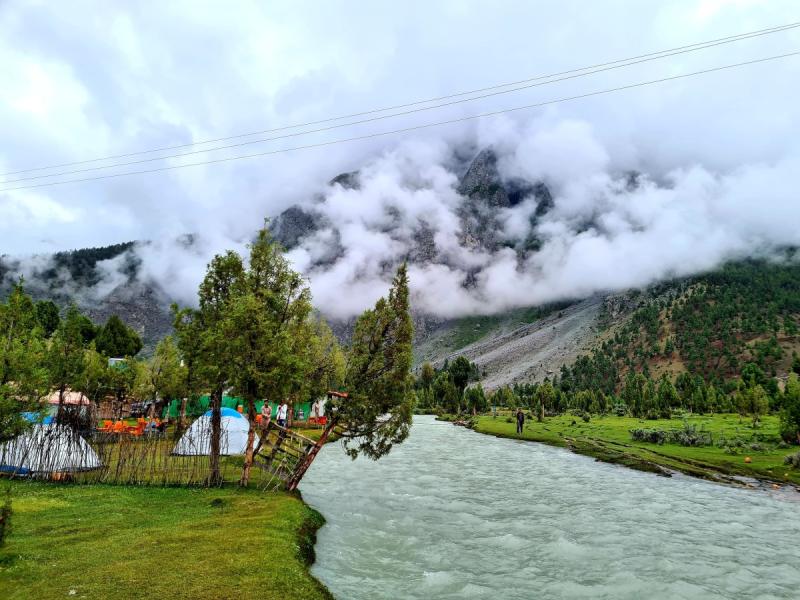
Nestled deep in the heart of Gilgit-Baltistan, Pakistan’s mountainous heaven, lies a hidden gem known as Basho Valley. Unspoiled by commercialization and still relatively unknown to many travelers, this remote valley offers breathtaking landscapes, dense pine forests, crystal-clear streams, and snow-capped peaks that tower majestically into the sky. Basho Valley is not just a place—it’s an experience of pristine nature, raw wilderness, and a soothing escape from the chaos of urban life.
Whether you're an adventure junkie, a photography enthusiast, or someone simply seeking peace in nature, Basho Valley is a destination that deserves a spot on your travel bucket list. In this blog, we’ll dive into the valley’s unique charm, how to get there, the best time to visit, and what makes it such a special corner of Pakistan.
Where is Basho Valley?
Basho Valley is located approximately 2.5 to 3 hours away from Skardu, the central hub of Baltistan in northern Pakistan. Situated in the Roundu Division of Gilgit-Baltistan, the valley is accessible via a turnoff from the Skardu-Gilgit Road. From the main road, a rough jeep track winds through hills and narrow paths, eventually revealing the lush, green expanse of Basho.
At an elevation of around 3,600 meters (11,800 feet), Basho Valley is surrounded by towering mountains and is fed by glacial streams, which make it an ideal location for lush pastures, dense alpine forests, and dramatic mountain scenery.
The Allure of Basho Valley
1. Dramatic Natural Beauty
The first thing that strikes you about Basho Valley is the sheer drama of the landscape. Towering pines, expansive meadows, and granite peaks frame the valley like a painting. Basho is uniquely positioned to showcase the full glory of Pakistan’s mountainous terrain.
In summer, the valley is a canvas of greens, with colorful wildflowers blooming in its meadows and horses grazing freely. Come winter, the valley transforms into a white wonderland, blanketed in thick snow and kissed by icy winds.
2. Crystal-clear Streams and Waterfalls
Basho is rich in water sources. Streams fed by glaciers run through the valley, with small wooden bridges adding charm to the scenery. In various corners of the valley, you’ll hear the calming sound of cascading waterfalls, many of which are hidden in dense forests and waiting to be discovered by those who wander off the beaten path.
3. Perfect for Camping and Stargazing
Basho Valley is a dream spot for campers. With wide open spaces, riverbanks, and forest clearings, it's easy to find a place to pitch a tent. And when the sun goes down, you're treated to unreal views of the night sky. The lack of light pollution makes this valley one of the best stargazing locations in the region. The Milky Way galaxy, meteor showers, and constellations are all visible to the naked eye on clear nights.
4. Home to Rare Wildlife
The valley is part of a region known for its diverse wildlife, including ibex, foxes, marmots, and various species of birds like golden eagles and Himalayan snowcocks. Lucky and quiet travelers might catch a glimpse of these creatures in their natural habitat.
Getting to Basho Valley
While reaching Basho is not overly complicated, it does require some preparation.
Step 1: Get to Skardu
Skardu is accessible via:
-
By Air: Daily flights from Islamabad to Skardu (weather-dependent).
-
By Road: A long but scenic drive from Islamabad or Gilgit via the Karakoram Highway and Skardu Road.
Step 2: Drive to Basho
From Skardu, it’s roughly 2.5 to 3 hours to Basho Valley. The road up to the Basho Bridge is decent, but after that, you’ll need a 4x4 vehicle. The jeep track can be rough, especially after rains or in early spring.
You can hire a jeep from Skardu along with a local driver who knows the terrain. Most travelers opt for a day trip or overnight camping stay due to the remote location.
When to Visit Basho Valley
Best Time: June to September
This is when the valley is in full bloom, and the weather is pleasant. Temperatures range from 10°C to 25°C during the day, but nights can get chilly.
Winter: October to March
The valley becomes inaccessible during heavy snowfall as the roads are blocked. Only experienced trekkers or locals venture into Basho in winter.
Things to Do in Basho Valley
-
Camping – Experience nature up close.
-
Hiking – Explore the trails through forests and up to scenic viewpoints.
-
Photography – From landscapes to wildlife, it’s a paradise for photographers.
-
Picnicking by the Streams – Enjoy meals with the sound of rushing water.
-
Cultural Exchange – Interact with the locals of nearby hamlets to learn about Balti traditions.
Tips for Travelers
-
Bring Essentials: There are no shops in the valley. Bring your own food, water, and camping gear.
-
Dress Warmly: Even in summer, nights get cold. Layering is key.
-
4x4 is a Must: Don’t attempt the journey in a regular car.
-
Respect Nature: Leave no trace. Carry your trash back with you.
-
Local Guides: Hire a local guide for safety and cultural insight.
Basho Valley vs Other Valleys in Skardu
While Skardu boasts many stunning valleys like Shigar, Khaplu, and Deosai, Basho stands out because of its remoteness and lack of commercial tourism. You won’t find resorts, shops, or even many tourists here—just pure, unfiltered nature. It's perfect for those who want to escape the more crowded spots and connect deeply with the wilderness.
Final Thoughts
Basho Valley isn’t just a travel destination—it’s a journey into the heart of unspoiled nature. As more travelers begin to discover Pakistan's northern regions, places like Basho offer a reminder of what travel used to be—adventurous, raw, and deeply personal.
If you're planning a trip to Gilgit-Baltistan, don’t skip this hidden paradise. Basho Valley will leave you breathless, not just because of its altitude, but because of the peace and wonder it brings to the soul.
Post Your Ad Here
Comments