What Nose Concerns Can Rhinoplasty Correct?
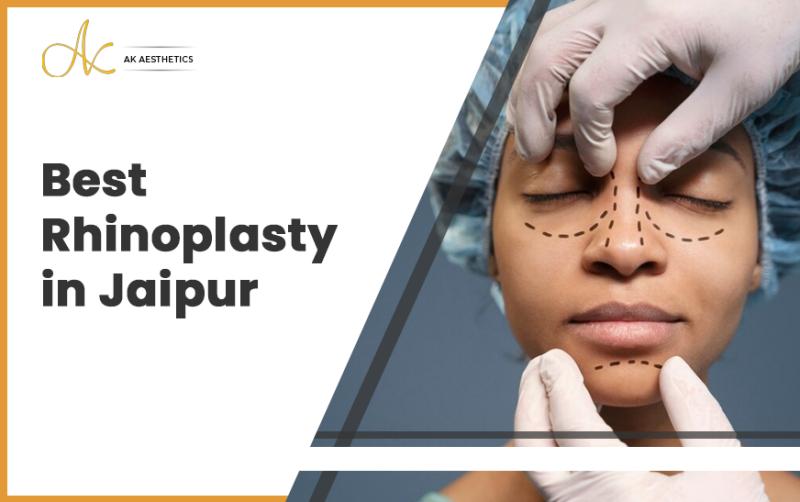
The nose is the center of attraction of someone’s face. If one’s nose size, shape, and appearance are not up to the mark and in harmony with other facial features, one seeks a cosmetic procedure to improve one’s appearance. Different nose structure-related concerns lead people to rhinoplasty surgery. This blog covers the most frequently heard nose-related concerns that are correctable with Rhinoplasty. Before jumping straight into them, let’s first learn about Rhinoplasty. The insights of this blog are shared by Dr. Akangsha Sharma, a leading surgeon who performs the best rhinoplasty in Jaipur.
What is Rhinoplasty?
Rhinoplasty, familiar to many people as a nose job, is a cosmetic surgery that focuses on reshaping, resizing, or repositioning certain portions of the nose to improve overall nose appearance and sometimes even improve breathing. It
What Specific Nose Concerns Can Rhinoplasty Address?
Rhinoplasty is recommended for a variety of aesthetic and functional reasons. The most expressed nose issues for which rhinoplasty is considered include:
Bulbous/droopy or Upturned/hooked nose tip
Too wide or flat a nasal bridge
A dorsal nose hump
A crooked or broken nose that impairs breathing
Damage to the nasal bridge or internal nose structures
Improper size, shape, and position of the nostrils
Very large or very small nose
Chronic sinusitis caused by nasal obstructions
Snoring and sleep apnea are caused by nasal structural issues
Nasal structure defects caused since birth or due to injury/trauma
A deviated nasal septum that causes narrowing of the airway and breathing difficulty
Overall, the nose shape and proportions do not create a harmonious look with the face.
What Benefits Does Rhinoplasty Offer?
Rhinoplasty is elected by most people as a long-term solution to nasal structural issues- to change their nose size, shape, and proportions. With changes in nose structure, rhinoplasty can help in creating a more balanced and appealing facial structure. The surgery can even help in improving the breathing of those having a crooked nose, a deviated nasal septum, or chronic sinusitis (by improving sinus drainage). People feel more satisfied and confident with their overall appearance after undergoing rhinoplasty. The improvement in appearance and breathing can further improve one’s psychological well-being and life quality.
Who are Suitable Candidates for Rhinoplasty?
Rhinoplasty is ideal for:
People who have completed their facial growth (typically men aged between 23 and 25 years and females aged between 18 and 25)
Individuals who are in good overall health (no heart disease, lung disease, or diabetes)
Individuals who hold realistic expectations about what they can achieve from rhinoplasty and have a positive outlook
People with a history of nasal blockages or previous surgeries
Non-smokers
Individuals who are motivated to undergo nose correction surgery for personal concerns and not because of external pressures.
To determine if your nose concern can be safely and effectively corrected with rhinoplasty, go for a personalized assessment with a qualified plastic/cosmetic surgeon.
What to Expect?
To start with, the candidate can expect to be brought into a sleep-like state for the surgery or lie conscious with a numb nose. Based on the surgery's complexity and the anaesthesiologist's preference, the candidate is provided with general or local anesthesia.
Once the anesthesia takes effect, the surgeon makes an incision either using the open technique or the closed technique. In an open rhinoplasty, the small incision is made across the columella- the tissue lying between the nostrils whereas in closed rhinoplasty, the small incision is made inside the nose. Through the incision, the surgeon lifts the nasal skin to get access to the underlying bones and cartilage and alters them, as per the concern being addressed. The surgeon modifies the bones and cartilage by removing the extra part, grafting them from another body site, or repositioning them. After the desired changes are made, the surgeon puts back the nasal skin and tissue and sews back the incisions. Open rhinoplasty is usually considered for complex cases or revision surgeries where significant changes are to be made in the nose structure.
Following the surgery, the patient will be shifted to the recovery room and provided with aftercare instructions for recovery at home. The outcome of the surgery is expected to be visible anywhere between 12 and 18 months after the surgery.
Schedule a Consultation
Considering rhinoplasty surgery for your nose concern? Contact AK Aesthetics and meet our top-notch nose surgeon, Dr. Akangsha Sharma, the best plastic surgeon in Jaipur. She holds extensive experience in rhinoplasty. Schedule a consultation with her to determine your candidacy, decide on the best rhinoplasty approach for you, and receive the lowest quote possible for rhinoplasty surgery. We will be happy to answer all your questions related to rhinoplasty.
Post Your Ad Here
Comments