Forex Professional Trading Strategy
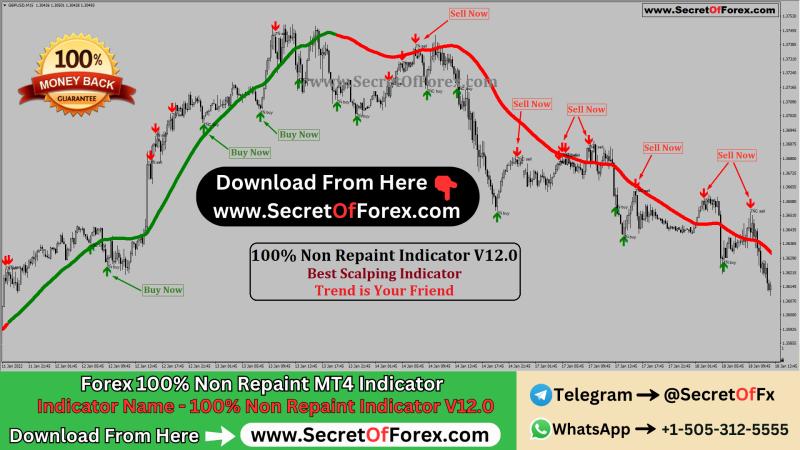
A professional forex trading strategy encompasses a structured approach to navigating the currency markets, emphasizing risk management, technical analysis, and disciplined execution.
Foundation of a Professional Strategy
Successful forex trading begins with a robust foundation. This includes understanding market fundamentals, economic indicators, and geopolitical events that influence currency movements. Traders often use fundamental analysis to gauge the health of economies and anticipate currency trends.
Purchase this Powerful Indicator from here ??
Purchase Link - https://secretofforex.com/product/100-non-repaint-indicator-v12-0/
Contact Telegram - https://telegram.me/SecretOfFx
Contact WhatsApp - https://wa.me/+15053125555
Technical Analysis Techniques
Technical analysis forms a cornerstone of professional trading strategies. It involves studying historical price data, identifying patterns, and using indicators to forecast future price movements. Key technical tools include:
-
Chart Patterns: Recognizing formations like triangles, head and shoulders, and double tops/bottoms to predict reversals or continuations.
-
Indicators: Using tools like moving averages, Relative Strength Index (RSI), and MACD (Moving Average Convergence Divergence) to gauge momentum, trend strength, and potential entry/exit points.
-
Support and Resistance: Identifying levels where prices historically struggle to move beyond (resistance) or tend to hold above (support).
Risk Management Principles
Effective risk management is critical to sustaining profitability and minimizing losses. Professional traders adhere to several principles:
-
Position Sizing: Determining the appropriate trade size based on risk tolerance and account size, typically limiting exposure to a small percentage of capital per trade.
-
Stop-loss Orders: Setting predefined exit points to limit potential losses if the trade moves against expectations.
-
Risk-to-Reward Ratio: Ensuring potential profits justify the risk taken on each trade, often aiming for ratios like 1:2 or better.
Trading Psychology
Emotional discipline is crucial in executing a professional strategy. Key psychological aspects include:
-
Patience and Discipline: Waiting for optimal setups and avoiding impulsive trades based on emotions or FOMO (Fear Of Missing Out).
-
Mindfulness of Bias: Recognizing and mitigating cognitive biases that can cloud judgment, such as overconfidence or anchoring to past trade outcomes.
Execution and Review
Executing trades efficiently involves:
-
Trade Entry and Exit: Using predefined criteria based on technical signals or fundamental developments.
-
Journaling and Review: Keeping a trading journal to track performance, analyze strengths, weaknesses, and refine strategies over time.
Continuous Learning and Adaptation
The forex market is dynamic, requiring continuous learning and adaptation. Professional traders stay informed about global events, market trends, and evolving trading techniques. They may also participate in communities, forums, or educational programs to stay updated and exchange insights.
Conclusion
A professional forex trading strategy integrates technical analysis, fundamental insights, rigorous risk management, and disciplined execution. It emphasizes continuous learning, emotional control, and a structured approach to decision-making. By adhering to these principles, traders aim to achieve consistent profitability while navigating the complexities of the global currency markets.
Would you like to delve deeper into any specific aspect of this strategy?
Post Your Ad Here
Comments