Choosing the Right Utensils for Handicap Users with Special Needs
Simple things can get harder to do as people get older or have health problems. One of these things is eating, which can be especially hard for people with disabilities. Picking out the utensils for handicap will help them stay independent and enjoy their meals more. This piece talks about some options that can help families and caregivers make the right choices. These include adaptive cups for older adults, senior eating utensils, and adaptive coffee mugs.
Knowing What Disabled Users Need is Important
People with disabilities need to have their needs taken into account when choosing the right tools. Most people might not have the hand-eye coordination, dexterity, or power to use normal utensils. In order to help with these problems, adaptive tools are made with features that make them comfortable and easy to use.
Ergonomic Design: The handles on most eating utensils for seniors are made in a way that makes them easier to hold, which saves your hands from pain. People with arthritis or other conditions that make it hard to grip things will find this design especially useful.
Weighted Options: For people who shake or have weak hands, weighted tools can help them stay steady and keep their balance. The weight keeps you from shaking too much, which makes eating easier and more stable.
Non-Slip Materials: Eating utensils for seniors made from non-slip materials are less likely to slip and are easier to hold onto. This is especially important for the person who might have trouble holding normal tools.
Types of Tools for People with Handicaps
With adaptive eating tools, seniors can eat on their own without any problems. Some utensils for handicap may have bigger, padded handles that are easier to hold on to. Some might even have an angle that makes it easier for people to put food in their mouths without straining their hands. Some adaptive tools have scoops or spouts built in to help move food from the plate to the mouth. Here are two of them, specially mentioned:
Cups that are Adapted for Older Adults
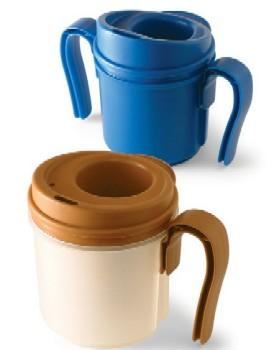
People who have trouble moving around may find it hard to drink. Adaptive cups for elderly are designed to be useful, with two handles to make them easier to hold, lids that won't leak, and straws to make drinking easier. People over the age of 65 may find it easier to drink with adaptive cups. Some adaptive cups have a weighted base that keeps them from tipping over, so people can drink without worrying about spills.
Coffee Mugs that Can Bend
Adaptive coffee mugs can be a big deal for people who love coffee. The mugs often have insulation built in to keep the heat in, and they may also have a lid to keep the liquid inside from spilling out. Some types even have a weighted base to keep them from falling over. Adaptive cups for elderly also have a unique spout design that lets users control how much coffee they pour, which makes it easy for them to drink their favorite hot drinks on their own.
Picking Out the Right Tools
When picking out tools for disabled people, the following should be kept in mind:
User's Specific Needs: Look at the person's tastes and physical strengths. Finding the right set of tools will be easier if you know what problems they are facing.
Quality of Materials: Look for materials that are strong, easy to clean, and will last through a lot of use. Adaptive tools should be made of stainless steel, rubber, or plastic that doesn't contain BPA.
Easy to Use: Make sure the tools are nice and simple for the person who will be using them. Users will find what works best for them by trying out different choices.
Even though being useful is the most important thing, choosing tools that are nice to look at can make the meal more enjoyable. Most adaptive tools come in a variety of colors and styles so that the person who uses them can make them look unique.
Conclusion
Getting the right utensils for handicap with disabilities is a big part of helping them become more independent and improving their quality of life. Caregivers can make eating a lot more enjoyable for their patients by figuring out what they need and choosing adaptable products like eating tools for the elderly, cups for the elderly, and coffee mugs for the elderly. The right tools not only help with meals, but they also help people who have trouble using normal options feel more independent and respectable. It may be easier and more satisfying for the user to eat when they have the best adaptive tools because they can enjoy their food without worrying about their abilities.
Post Your Ad Here
Comments