What Effects Do Tyres Have on Vehicles?
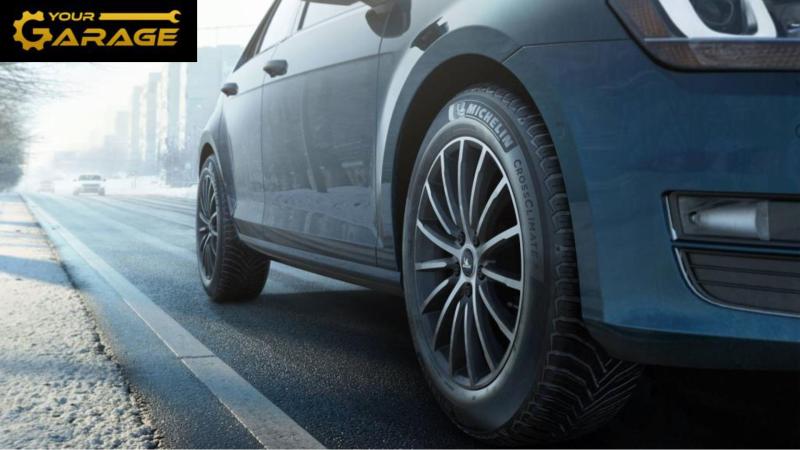
The performance of a vehicle depends on the tyres, influence on handling, traction, comfort, and durability. These tyres, which tend to be much lower profile (i.e., a shorter sidewall and wider tread), are usually fitted to high-performance sports cars. The tyres have been developed to aid road grip and handling, and as a result, this unit is ideal for speed riding. On the one hand, even though they have tradeoffs in ride comfort and longevity, there is also limited fade. And temperature extremes have a huge effect on tyre performance: cold or hot weather dramatically affects grip, durability, and pressure. Tyres Online Faringdon are highly responsive to driving conditions, and controlling them is needed for both safety and performance. Winter tyres are essential when the temperatures get cold, as they improve grip and control on ice.
Advantages of Low-Profile Tyres
Tyres of low profile increase handling and steering response of a vehicle. With the sidewall reduced in length, flexing is decreased, which enables more precise steering inputs. It means a better feeling on the road, a more connected feel, and better cornering ability and stability. Low-profile tyres are also necessary for sports cars, the need for instant response times and for sharp maneuverability.
Normally in these tyres, you have a wider tread, or a bigger part of the surface in contact with the road. A more aggressive contact patch increases grip, especially during and after acceleration, braking, and cornering. The increased traction is especially helpful in high-performing cars that require peak stability at high speeds.
And low-profile tyres also have a fashionable sports car look. They fit well with large alloy wheels, adding a visual element to the shape of the vehicle. However, these tyres appeal to car enthusiasts as well as car manufacturers as they add a more ‘race-inspired’ design to the car.
Trade-Offs of Low-Profile Tyres
The downside of them also is the harsher ride quality. The reduced sidewall reduces the cushion produced against the road imperfections and bumps, potholes, and rough terrain become more noticeable. This can make every day driving less comfortable, especially on uneven roads.
Side walls of these are shorter and hence more prone to being cut by pieces of debris that are present on the road, potholes, and curbs. Low-profile tyres transmit a greater amount of the impact to the wheel and can damage the rims and promote tyre blowouts due to less flexibility to absorb shocks.
Effects of Extreme Cold on Tyres
Temperature is much linked with tyre performance. Rubber becomes harder, becoming less flexible, in cold conditions when it hardens more; this makes it difficult for the tyre to grip the road. On icy or snowy surfaces, lost traction can cause skidding, which can be especially dangerous. In winter tyres soft rubber compounds are flexible when the temperature is freezing and offer better traction.
In the case of cold friction in the tyre, the air compresses inside the tyre, thereby resulting in a decrease in the pressure of the air in the tyre. Low pressure is possible when there is uneven tyre wear, poor fuel efficiency, and inadequate handling. Drivers must check and adjust as they require different levels of pressure than that which is required for the summer.
In cold weather, tyres harden, and at the same time, fuel consumption increases because the rolling resistance increases and the work of the vehicle grows. But special tread patterns on winter tyres help combat this effect while still helping you grip onto snowy or wet roads at the same time.
Effects of Extreme Heat on Tyres
Typically, the kind of pressure that you will get inside a tyre will be dependent on how hot the weather is getting. Worn or damaged are more at risk of blowouts if they have overinflated tyres. Checking tyre pressure regularly and using heat-resistant compounds are ways of preventing failures during summer.
The rubber in tyres gets softened in high temperatures, which speeds up the crumbling of the tyre. In the process of faster tread degradation, there is more friction in the form of more tread being ground up on hot roads. Summer tyres with strengthened compounds and material resistant to the heat are recommended to resist this.
Rain can be worsened by excessive heat, which also can start to evaporate tyre oils, making the rubber harder and less able to carry water off quickly in rainy conditions. Hydroplaning becomes more of a risk. Hot, wet conditions are filled with tyres with deep grooves and technologies to spread water.
Choosing the Tyres According to Different Temperatures
Flexible rubber compounds and deeper tread patterns are incorporated in the winter tyre design to maintain grip in freezing conditions. It switches to winter when temperatures consistently stay below 7°C (45°F), as this improves safety and performance.
Summer tyres are harder rubber with patterns that have been designed to give utmost grip in hot weather. But they stiffen in cold weather and slip below in winter driving. This makes them ideal for warm climates but unsuitable for icy or snowy roads. Using summer tyres in winter can lead to reduced traction, longer braking distances, and a higher risk of skidding. They are therefore inappropriate for slippery or snowy roads but perfect for warm areas.
Post Your Ad Here
Comments