Why Protein is Non-Negotiable for Teens in Their Growth Years
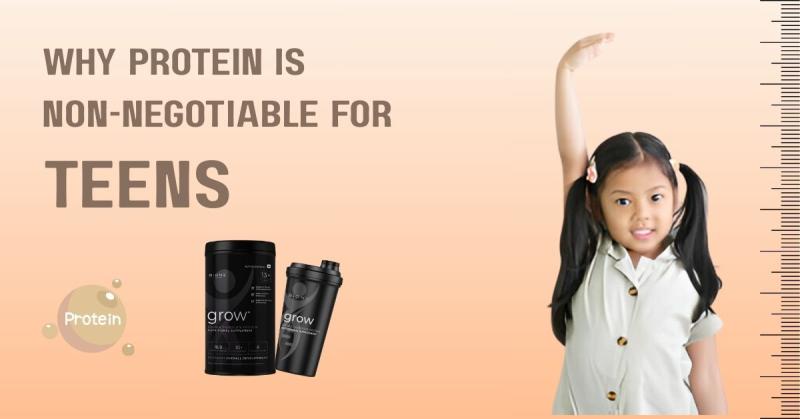
The teenage years are full of changes be it physically, emotionally, and mentally. As bodies grow rapidly during adolescence, the demand for essential nutrients also skyrockets. Among all nutrients, protein stands out as an absolute must-have. It’s not just another component on the nutrition label, it’s the building block of life, and teens need it more than ever.
In this article, we’ll break down why protein is non-negotiable during teen growth years, how it impacts height, muscle development, immunity, and overall well-being, and how supplements like height growth protein powder can help bridge nutritional gaps when needed.
Understanding Teen Growth and Development
Between the ages of 13 and 19, teens go through a massive transformation. Their height increases, bones harden, muscles develop, and hormones shift dramatically. This phase is often referred to as the growth spurt.
For all of these changes to occur smoothly, the body requires a steady supply of high-quality protein. Without enough of it, teens may experience slower growth, muscle weakness, frequent illness, and delayed puberty.
Why Protein is Essential for Teenage Bodies
Let’s look at the key roles protein plays during the teenage years:
1. Muscle Growth and Repair
Teens are constantly active playing sports, walking to school, or even hitting the gym. Protein helps repair and build new muscle tissue. Without it, teens may feel tired, sore, and weak after physical activity.
2. Height and Bone Health
Protein doesn’t just build muscles it also supports bone growth and density. Height is largely determined by genetics, but proper nutrition, especially adequate protein intake, can help teens reach their full potential. When combined with calcium, vitamin D, and physical activity, protein supports stronger bones and better posture.
3. Hormone Production
Puberty brings a surge of hormones like testosterone and estrogen. These hormones are protein-based or regulated by protein enzymes. A lack of protein can lead to hormonal imbalances, affecting mood, skin health, and even growth rate.
4. Boosting the Immune System
Teens are prone to infections and viruses. Protein fuels the production of antibodies and white blood cells, which are key players in the immune system. A protein-rich diet can help teens stay healthy and bounce back faster from illness.
Daily Protein Needs for Teenagers
The Recommended Dietary Allowance (RDA) for protein in teenagers depends on age, gender, and activity level:
Athletes or very active teens may need more. While many teens can meet these needs through high protein foods alone, others may fall short — especially vegetarians or picky eaters.
Best Natural Sources of Protein for Teens
Encourage a balanced mix of protein sources to support full-body development:
Animal Sources: Eggs, milk, chicken, fish, yogurt
Plant-Based: Lentils, beans, tofu, quinoa, nuts, seeds
Dairy: Cheese, cottage cheese, and milk-based products
A varied diet ensures that teens get all essential amino acids needed for growth.
When to Consider a Height Growth Protein Powder
Even with the best meal plans, some teens still don’t get enough protein — whether it’s due to food allergies, vegan diets, or busy schedules. That’s where a height increase protein powder can help.
How It Helps:
Fills protein gaps in the diet
Easy to digest and absorb
Often enriched with vitamins, minerals, and amino acids
Supports consistent muscle and bone development
But not all protein powders are equal. Choose a product specifically designed for teen needs — free from artificial additives, low in sugar, and balanced in nutrients.
How to Use Protein Supplements Safely
Check with a doctor or nutritionist before starting any supplement.
Use protein powder as a meal addition, not a replacement.
Mix it in smoothies, milk, or water — ideally post-workout or as a breakfast booster.
Stick to the recommended serving — more isn’t always better.
Conclusion: Build Strong Foundations with Protein
Teen years are critical for laying the groundwork for a healthy adulthood. Adequate protein isn’t just nice to have — it’s essential. Whether through natural foods or quality supplements like a height boost protein powder, ensuring your teen gets enough protein can make all the difference in their energy, immunity, muscle tone, and growth potential.
Let nutrition be your teen’s superpower.
Post Your Ad Here
Comments