Understanding ADA Signs: Why They Matter and What You Need to Know
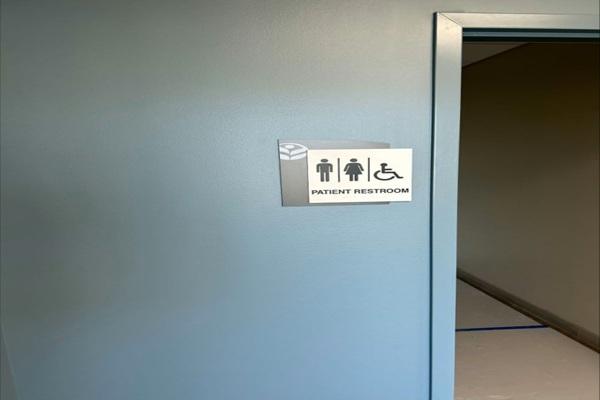
In any public space, accessibility isn't just good practice—it's the law. The Americans with Disabilities Act (ADA) was enacted to ensure that individuals with disabilities have equal access to facilities and services. One essential part of that compliance is ADA signage, which helps people navigate spaces safely and independently.
But what exactly are ADA signs, and why are they so important?
What Are ADA Signs?
ADA signs are specially designed signs that meet the accessibility requirements set by the Americans with Disabilities Act. These signs help individuals—especially those who are blind or have visual impairments—navigate buildings with confidence.
They are commonly found in:
-
Offices and corporate buildings
-
Hospitals and clinics
-
Hotels
-
Schools and universities
-
Retail spaces
-
Government and public facilities
Key Features of ADA-Compliant Signs
To meet ADA standards, signs must follow specific design guidelines, including:
-
Braille Text: Grade 2 Braille must be included beneath the text to help blind or visually impaired individuals read by touch.
-
Tactile Characters: Letters and numbers must be raised at least 1/32 of an inch above the surface.
-
High Contrast: Text and background colors must contrast sharply (e.g., white text on a dark background).
-
Sans Serif Fonts: Easy-to-read fonts like Arial or Helvetica are required—no decorative or script fonts.
-
Non-Glare Finish: Signs must have a matte or non-reflective finish to reduce glare under lighting.
-
Mounting Guidelines: Signs must be installed at specific heights and locations—typically 48 to 60 inches from the floor to the baseline of the text.
Types of ADA Signs
There are many kinds of ADA-compliant signage depending on the building’s layout and purpose:
-
Restroom Signs
-
Room Number or Name Signs
-
Exit Signs
-
Elevator and Stair Signs
-
Wayfinding and Directional Signs
-
Emergency and Fire Safety Signs
Why ADA Signs Are Important
-
Legal Compliance: Failure to comply with ADA standards can result in fines, lawsuits, or building code violations.
-
Accessibility for All: ADA signage makes public and private spaces inclusive for everyone.
-
Professional Image: Thoughtful, compliant signage shows that a business values inclusivity and cares about its visitors.
-
Improved Navigation: Clear signage improves the overall user experience in any building.
Common Misconceptions About ADA Signs
-
“All signs need to be ADA-compliant.”Not all signs require ADA compliance. Signs like building directories, company branding, or temporary notices usually don’t need to follow ADA rules.
-
“Braille signs are only for the blind.”ADA signs benefit a wide range of users, including people with low vision or cognitive disabilities. They're part of a broader approach to universal design,
Customizing ADA Signs While Staying Compliant
You can still be creative with ADA signage! Colors, materials, and shapes can be customized—as long as the core ADA requirements (like contrast, tactile lettering, and Braille) are met. Many businesses use ADA signs as a branding opportunity, blending function with design.
Conclusion
ADA signs aren't just a regulatory checkbox—they’re a critical part of building an accessible, inclusive environment. Whether you're outfitting a new office space or upgrading an existing facility, ADA-compliant signage ensures that everyone can find their way with ease and dignity.

Comments