Why Equipment Maintenance Is Crucial for Firefighting Teams?
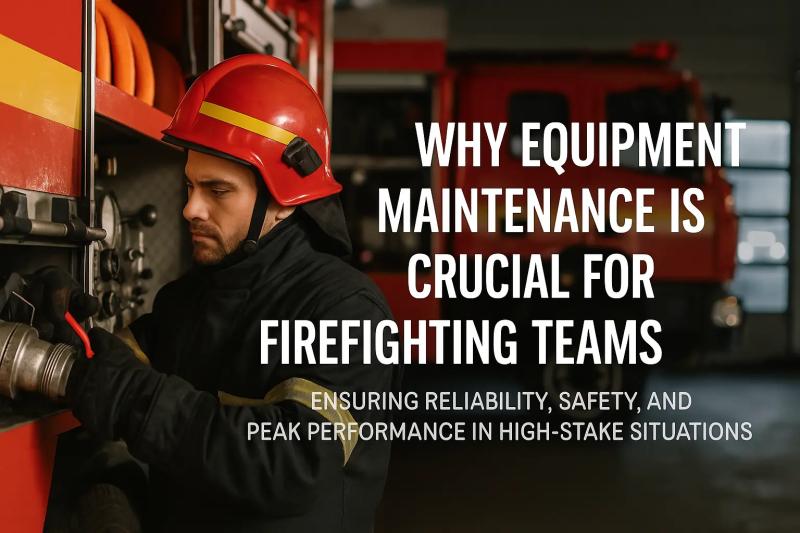
Firefighting exists beyond being a mere occupation because life-saving operations are at stake during every mission. Firefighters enter burning buildings to rescue people by depending on their protective gear, which safeguards them and the trapped individuals. The situation becomes dangerous when firefighters experience failure with their firefighting equipment.
The difference between survival and tragedy emerges when any component of firefighting equipment fails, including oxygen tanks or water hoses or communications systems. Gear maintenance, along with regular inspection, serves as an absolute requirement to save lives.
Stair Chair Sale: Limited-Time Stair Chair Sale: Get 20% Off at Line2EMS!
Essential Firefighting Equipment That Needs Maintenance
Every piece of equipment in firefighting serves a critical function. If one part fails, the entire operation can fall apart. Here are some of the most essential firefighter accessories that need regular maintenance:
SCBA (Self-Contained Breathing Apparatus) Airmask
In a burning building, oxygen tends to be scarce due to smoke-filled environments. SCBA airmasks help them by providing clean air so they can navigate the space easily. However, if the mask has a leak or a clogged valve, it can fail when it is needed the most. Regular inspections ensure that these lifesaving devices work properly.
Fire Watercans, Nozzles, and Hoses
The inspection of hoses together with watercans and nozzles must identify all cracks and leaks, and blockages to maintain their ability to function properly while under pressure. An essential requirement for reliable operation includes both regular checks of water levels and functional nozzle inspections. The compact firefighting tools are useful for controlling small fires until they grow beyond your control.
Protective Clothing
Fire-resistant jackets, pants, gloves, and boots are a firefighter’s first line of defense against burns and extreme heat. Damaged or worn-out gear reduces protection and increases your chance of getting injured. Make sure you are regularly washing, drying, and inspecting your protective clothing, so that you know when it is time to replace or repair it.
Thermal Imaging Cameras
These cameras come in use when firefighters need to see through smoke and locate the victims. A faulty camera can leave them blind in dangerous conditions. Regular battery checks, lens cleaning, and software updates are necessary to keep them running smoothly.
Radios and Communication Devices
Firefighting is a team effort, and communication is key. If a firefighter’s radio fails, they lose contact with their team, increasing the risk of getting trapped or injured. As mentioned above, batteries, buttons, and antennas need constant checks and trial runs.
Ladders and Rescue Tools
All rescue equipment needs regular inspections to assess performance and structural integrity before immediate repair of any detected mechanical failures. Immediate attention should be given to fix rust damage and tighten loose screws and fix any mechanical failures to prevent serious equipment damage.
Why is Maintaining Firefighter Accessories Necessary?
First responders need to trust that their equipment will work when it matters the most. Here’s why routine maintenance is the most important:
Prevent Equipment Failures in Emergencies: Fires do not wait for you to fix your gear, and there’s not enough time to wait for backup. Regular maintenance ensures that every tool functions properly when needed.
Prolong Equipment Lifespan: Firefighter accessories are expensive. Without proper maintenance, gear wears out faster, leading to frequent replacements.
Protection of Firefighter Health and Safety: Exposure to heat, smoke, and hazardous chemicals takes a toll on your gear. Regular inspections help identify problems before they become dangerous,
Compliance with Safety Regulations: Fire departments are supposed to follow strict safety standards set by higher organisations. With regular maintenance, you are ensuring compliance and preventing any legal trouble.
How Can You Maintain Your Firefighting Equipment Effectively?
Implement a Regular Inspection Schedule: Fire departments should follow a structured maintenance plan that includes daily, monthly, and weekly inspections. All the SCBAs, hoses, and turnout gear should be checked before and after every shift.
Train Firefighters: Firefighters should be trained to inspect and clean their own gear. Knowing how to spot early signs of damage can help prevent failures in the field.
Make Checklists: Checklists ensure that no piece of equipment is overlooked. You should document every inspection and repair to keep track of maintenance history.
Invest in Professional Servicing: Some equipment, like breathing apparatuses and hydraulic tools, requires expert servicing. Fire departments should partner with certified professionals for thorough inspections.
Replace Worn-Out Gear Immediately: No first responder should be using gear that’s past its lifetime. If your helmet has cracked or the radio is not working properly, you need to replace it immediately.
Final Thoughts
Firefighters are trained not to hesitate while running into danger. Every first responder deserves gear that works flawlessly every time they put their life at stake. The truth is: there is no room for faulty gear in an emergency situation.
Whether it’s a breathing mask or a pair of gloves, every piece of firefighting equipment must be in peak condition. Because when disaster strikes, there’s no room for broken gear or negligence.
Read More: Gearbags, Tools, and Glove Straps for Firefighters

Post Your Ad Here