An Intersectional History of Handmade Soap
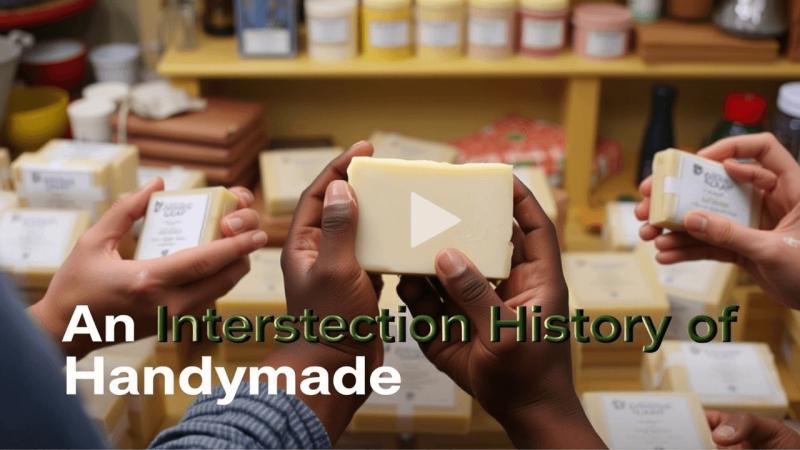
An Intersectional History of Handmade Soap
Soap forms a necessary part of daily hygiene practices even though its complete historical development surpasses simple utilization as a cleanser. The manufacturing processes and social applications of soap alongside its cultural relevance have been transformed across the historical timeline of different societies. Historical economics along with marginalized populations have used handmade soap as a symbol representing cleanliness and social class and gender as well as racial distinctions. This research investigates the starting points of handmade soap production as well as its historical cultural value and the conventional soap manufacturing practices from ancient times. The modern-day artisanal soap industry receives analysis together with sustainability trends and an evaluation of soap's place in various societies.
Origins of Handmade Soap
The production of soap has existed for thousands of years as part of human history. Archaeological findings demonstrate that early soap was made by Babylonians and Egyptians and Romans who combined natural fats with alkaline substances. Babylonians recorded the first soap production methods through clay tablets which showed animal fats combined with ashes and water during 2800 BCE. During the 1500 BCE period in Ancient Egypt people prepared personal hygiene products by blending animal and vegetable oils with alkaline salts for medicinal and hygiene needs.
During the first century of the Roman Empire people created two types of soap: hard laundry soap and soft bathing soap which became important cultural artifacts. The basic methods used in soap production established the fundamental process which spread across various regions for homemade soap manufacturing.
Soap in Different Cultures
The importance of soap exceeded hygiene needs because it developed strong ties with cultural traditions and economic systems and religious beliefs.
Soap in Asian Cultures
Chinese and Japanese people during the early times created soap from rice bran mixed with herbal extracts while Indian Ayurvedic practitioners recommended the use of plant-based cleansers such as shikakai and reetha. Asian cultures depended on natural cleansing powders until they discovered modern soap manufacturing methods.
Soap in Islamic Societies
During the 8th-9th centuries Islamic scholars developed soap manufacturing by adding olive oil together with essential plant extracts. Artisanal soap makers established their centers in Aleppo Syria to produce the famous Aleppo soap by blending olive and laurel oils through traditional techniques.
Soap in European and African Societies
The wealthy people of Medieval Europe used handmade soap as their main cleansing product during that era although the lower classes cleaned with ash-based products. Through combining palm oil with cocoa pod ash and plantain skin extracts West Africa created black soap which acted as both an environmentally friendly and skin beneficial cleansing agent. The availability of soap throughout history and its ingredients demonstrated the social hierarchy of society as well as the economic connections between regions and native natural resources.
Soap in Marginalized Communities
Throughout history marginalized communities did not obtain proper access to hygiene products according to intersectional soap historiography. During colonial times European colonizers forced soaps on indigenous populations while they used hygiene as part of their “civilizing” agenda. During the Industrial Revolution mass-produced soap became affordable for poorer communities yet industrial factories mistreated their marginalized workforce. During the Civil Rights Movement Black communities in the United States faced hygienic discrimination through restricted access to public soap supplies in segregated areas. Many marginalized populations created their own handmade soaps by using local materials which produced enduring methods for soap production that remain in practice today.
Traditional Soap-Making Techniques
Handmade soap production occurred through different methods before industrialization established its modern form.
Cold Process Soap-Making
Soap manufacturers during ancient times combined fats with lye then allowed their products to mature throughout several weeks. The Middle Eastern and European cultural traditions employ this soap-making process to create durable and luxurious solid bars.
Hot Process Soap-Making
The process of saponification happens faster when heat is applied to the mixture that resembles the cold process. Popular in West African black soap production.
Ash and Fat Soaps
Through the use of wood ash combined with fats people made cleansing soaps during ancient times. The practice of making soap using traditional methods continues to operate in rural communities. The traditional methods used in soap production during that time have developed into present-day artisanal soap manufacturing practices.
Soap and Gender in History
Throughout history the marketing direction of soap and its usage followed traditional gender standards. European soap manufacturers during the 18th and 19th centuries targeted their feminine products at beauty and skin tone lightening with soft scents and their masculine products toward strong masculine attributes. The first decades of the 20th century brought advertising power which created gender-stereotyped soap associations that connected this product to household responsibilities for women. The contemporary soap market now features gender-neutral natural products that challenge established gender stereotypes. The evolution of personal hygiene soap continues through the development of gender-inclusive and environmentally friendly product brands.
Soap as a Symbol of Class and Status
Throughout history wealthy families and social elites demonstrated their fortune through their possession of high-quality soap.
Elite members of Ancient Rome used costly soaps that came with scented perfumes.
During the medieval European era the wealthy upper class purchased olive oil-based soaps yet the working class needed to use harsh soap made from lye.
During industrial times soap prices decreased but premium brand labels kept their elite status.
The beauty industry preserves handmade soaps as well as organic and luxury soaps which function as status symbols today.
The Role of Soap in Historical Economies
Throughout history soap served as more than a domestic product because various civilizations depended on its production for their economic success. Aleppo residents traded their soap products extensively as a major export business during that time. The 17th-century Savon de Marseille law in Marseille, France established regulations for olive oil soap production which improved economic trade. British Colonies witnessed successful soap manufacturing that resulted in Lever Brothers (now Unilever) controlling the market. Modern soap manufacturing maintains its economic value through the growth of independent soap makers who produce environmentally friendly products.
Modern Soap Artisans and Sustainable Trends
Modern soap manufacturers currently embrace environmentally-friendly handmade soap manufacturing approaches due to rising environmental concerns.
Sustainable Ingredients
Natural oils and butters (e.g., coconut, shea, and avocado oil)
Soap producers use essential oils instead of artificial fragrances
Organic, biodegradable exfoliants like oats and coffee grounds
Zero-Waste Packaging
A shift has occurred in the market as custom soap packaging now features biodegradable wrappers and soap sleeve packaging instead of traditional plastic materials.
Ethical Sourcing
Artisan soap makers put their focus on using ingredients that are both fair trade and cruelty-free.
The market demands for vegan product alternatives continues to grow.
Benefits of Handmade Soap for Skin
Handmade soap delivers superior benefits compared to commercial soaps because it contains:
Gentle cleansing occurs through the use of natural oils.
Handmade soaps maintain their moisturizing properties because of retained glycerin.
Fewer irritants for sensitive skin
Customizable ingredients for different skin types
Modern sustainable soap manufacturers dedicate their efforts to producing environmentally friendly skin-friendly products for their customers.
Conclusion
The intersectional history of soap showcases its cultural, social, and economic impact throughout time. Throughout history handmade soap developed from ancient cultural practices into present-day artisanal manufacturing thus influencing societal status distinctions and gender-based norms and racial inequality. The resurgence of handmade soap becomes more prominent as people show increasing interest in sustainable production alongside ethical values. Artisanal soaps continue to hold a vital position in human history because they serve both personal hygiene needs and skincare benefits as well as offer cultural appreciation.
Post Your Ad Here
Comments