Drought-Tolerant Landscaping Ideas for Sustainable Guelph Gardens
As water conservation becomes increasingly important, homeowners in Guelph are turning toward drought-tolerant landscaping to maintain beautiful outdoor spaces without putting strain on local water supplies. Whether you're dealing with inconsistent rainfall or aiming to reduce your environmental impact, a sustainable approach to landscaping can help you create a garden that thrives with less water.
If you’re looking for expert help with eco-conscious outdoor solutions, landscapers in Guelph are embracing this trend and offering creative ideas to make your space both beautiful and water-wise. This guide outlines practical drought-tolerant landscaping ideas perfectly suited to Guelph’s climate and soil conditions.
Why Drought-Tolerant Landscaping Matters in Guelph
While Guelph is known for its lush natural surroundings, the region experiences periods of dry weather, especially during the peak summer months. Choosing a water-efficient landscape means less dependency on irrigation systems, lower water bills, and a yard that continues to look healthy, even during dry spells.
Beyond individual benefits, drought-tolerant landscapes also help communities manage water demand, especially during restrictions or conservation initiatives. With climate patterns shifting, sustainable Guelph landscaping practices have become a responsible—and practical—choice.
1. Choose Native and Drought-Resistant Plants
Native plants are well-adapted to local conditions and typically require less maintenance, fertilizer, and water. Incorporating drought-resistant perennials, shrubs, and grasses helps reduce your reliance on irrigation.
Ideal Drought-Tolerant Plants for Guelph:
-
Black-eyed Susan – Bright and hardy, these flowers thrive in full sun with minimal watering.
-
Little Bluestem – A drought-tolerant ornamental grass native to Ontario.
-
Purple Coneflower (Echinacea) – Known for its resilience and pollinator appeal.
-
Yarrow – Low-maintenance and a magnet for bees and butterflies.
When selecting plants, consult with landscapers in Guelph Ontario to ensure the species you choose will flourish in your specific soil and light conditions.
2. Apply Mulch Generously
Mulch is a drought-tolerant garden's best friend. It conserves soil moisture, regulates temperature, and reduces weed growth—all critical factors in water-wise landscaping.
Apply a 2- to 3-inch layer of organic mulch such as shredded bark, pine needles, or compost around plant beds. Not only will this improve water retention, but it also enhances soil health as it breaks down over time.
3. Opt for Gravel or Stone Pathways
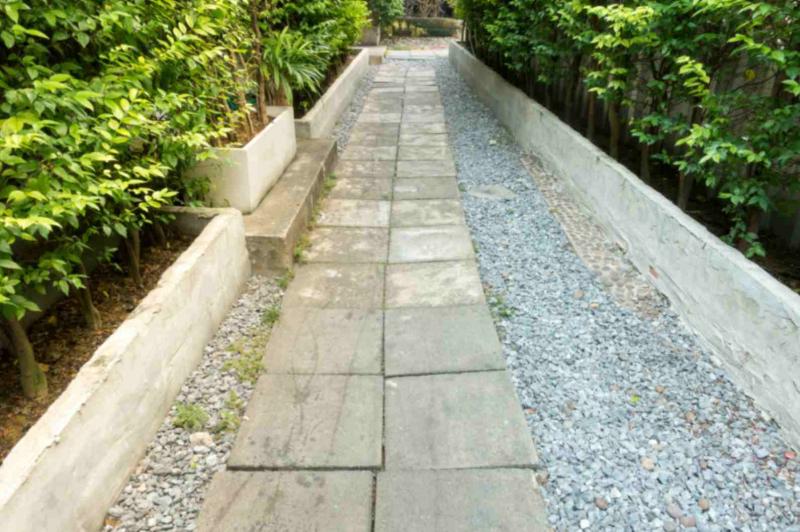
Traditional turf pathways require regular watering and upkeep. Instead, use crushed gravel, decomposed granite, or natural stone to create paths that are attractive and water-smart. These materials also help with drainage and reduce runoff during rain events.
Incorporating decorative stone can give your outdoor space a polished, low-maintenance finish—something many landscaping Guelph professionals recommend for sustainability-focused gardens.
4. Minimize or Replace Turf Grass
Grass lawns are one of the thirstiest features in any yard. Consider reducing the lawn area or replacing grass with ground covers like clover, creeping thyme, or sedum—plants that require far less water and mowing.
Some homeowners are transitioning entirely to xeriscaping, a technique that focuses on water efficiency through rock gardens, drought-resistant plants, and minimal turf. If you're unsure where to begin, reach out to experienced landscapers Guelph who can provide ideas suited to your lot size and layout.
5. Install Drip Irrigation
Conventional sprinklers often waste water through evaporation and overspray. A drip irrigation system delivers water directly to plant roots at a slow rate, reducing waste while keeping plants properly hydrated.
Drip systems are ideal for garden beds, shrub borders, and container plants. Pairing this setup with a timer ensures your watering schedule is consistent and efficient—even when you're away.
6. Collect and Reuse Rainwater
Rain barrels are an easy way to make use of natural precipitation. By capturing rainwater from your roof, you can create a supplementary water source for your garden without increasing your utility bill.
Many landscape Guelph experts recommend connecting multiple barrels for greater storage or adding a rain chain for aesthetic appeal. In larger gardens, rain gardens and swales can also help manage runoff and direct water where it's needed most.
7. Use Raised Beds and Contour Planting
Raised beds offer improved drainage and more control over soil quality—two critical factors when trying to conserve water. You can fill raised beds with drought-friendly soil mixes that improve retention while reducing compaction.
Contour planting, or terracing, takes advantage of natural slopes to control water flow. This method ensures moisture doesn't simply run off but instead nourishes the plants on each level. Guelph landscaping professionals often integrate this into gardens on hilly properties.
8. Group Plants by Water Needs
Hydrozoning is a smart practice where you group plants with similar water requirements together. This makes watering more efficient and ensures that no plant is over- or under-watered.
Create zones like:
-
Low-Water Zone: Succulents, ornamental grasses, lavender.
-
Moderate-Water Zone: Native shrubs, perennials.
-
High-Water Zone: Near rain barrels or naturally wetter spots.
Landscapers in Guelph use hydrozoning to strategically plan out sustainable gardens that are not only easier to maintain but also look visually cohesive.
9. Add Hard Features for Balance
Introducing features like pergolas, stone benches, or dry riverbeds can reduce the planted area while adding aesthetic value. These features require zero water and provide structure and interest.
Dry riverbeds, in particular, are a popular Guelph landscaping element that doubles as a functional drainage system. Decorative gravel mimics the look of a stream and channels water during heavy rains.
10. Maintain with a Long-Term Vision
A drought-tolerant garden isn’t a “set it and forget it” project. It still requires seasonal checks, pruning, and periodic soil care. Working with trusted landscapers Guelph Ontario can help you stay on track with a maintenance plan that evolves with your garden.
It’s also wise to evaluate plant performance over time. If something isn’t thriving with limited water, consider replacing it with a hardier alternative. A sustainable landscape grows stronger and more self-reliant with each season.
Final Thoughts
Sustainable gardening doesn’t mean sacrificing beauty. With thoughtful planning and the right plants, you can create a drought-tolerant landscape that reflects your style and values while supporting water conservation efforts in Guelph.
For those ready to upgrade their outdoor space, landscapers Guelph are offering custom, environmentally conscious solutions for every type of property. Whether you’re looking to update a small front yard or overhaul a larger backyard, a strategic approach can make your space both water-efficient and visually appealing.
To get started or speak with local experts about water-wise landscaping options, learn more and discover how your garden can work with Guelph’s environment—not against it.
Also Read : Creating Year-Round Outdoor Spaces: Fire Pits, Heated Patios, and More
Post Your Ad Here
Comments