The Advantages of Using Steel Structures for Building Construction
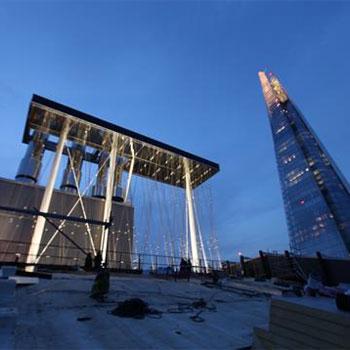
Strength and Durability
One of the primary reasons steel is a preferred material in modern construction is its exceptional strength and durability. Steel has one of the highest strength-to-weight ratios among building materials, which means it can support large loads with relatively little material. Unlike wood or concrete, steel does not warp, split, or crack over time. It withstands extreme weather conditions, including high winds, heavy snow, and even seismic activity, making it a reliable choice for long-term structural integrity.
Speed and Efficiency in Construction
Steel structures for building significantly reduce construction time. Prefabricated steel components are manufactured off-site and then assembled quickly on location, minimising delays caused by weather or material shortages. This efficiency not only shortens project timelines but also reduces labour costs. In large-scale commercial projects or urgent infrastructure developments, the ability to build quickly without compromising quality can be a major advantage.
Design Flexibility
Steel offers architects and engineers greater creative freedom. Its high strength allows for large open spaces without the need for numerous supporting columns, which is especially useful in commercial buildings, stadiums, and warehouses. Curved, angled, and complex designs can be achieved more easily with steel compared to other materials. This flexibility makes it ideal for both functional and aesthetically striking structures.
Sustainability and Environmental Benefits
Steel is one of the most sustainable building materials available. It is 100% recyclable and can be reused without losing its strength or quality. Many steel structures are built using recycled materials, reducing the demand for raw resources. Additionally, steel buildings can be designed for energy efficiency, allowing for better insulation and integration with green technologies like solar panels and rainwater harvesting systems. These features contribute to lower environmental impact and long-term energy savings.
Cost-Effectiveness Over Time
Although the initial cost of steel might be higher than some traditional materials, it offers significant savings over time. Its durability means fewer repairs and less maintenance, and its resistance to pests, fire, and mould reduces the risk of costly damage. Insurance premiums may also be lower for steel buildings due to their resilience. Combined with reduced construction times and potential energy savings, steel proves to be a cost-effective choice in the long run.
Fire and Pest Resistance
Steel does not burn, making it a safer choice in fire-prone areas. Unlike wood, it is not susceptible to termites, rodents, or other pests, which can severely compromise a building’s structural integrity. This resistance not only extends the life of the building but also reduces the costs and efforts required for pest control and fire prevention measures.
Conclusion
Steel structures for building offer a wide range of advantages that make them an ideal choice for modern building construction. From their unmatched strength and design flexibility to their environmental sustainability and long-term cost savings, steel buildings provide practical and aesthetic benefits that continue to drive their popularity in both residential and commercial architecture. As technology advances and environmental considerations become more central, steel will likely play an even greater role in the future of construction.
Post Your Ad Here
Comments