All you need to know about paper's chemical composition
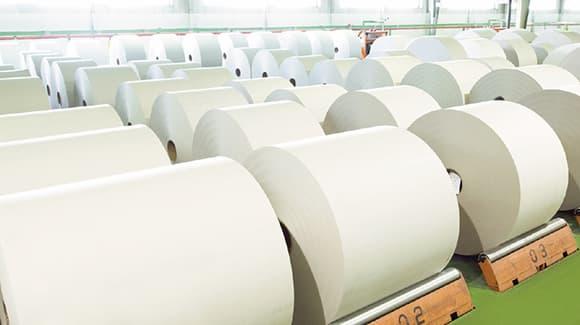
Many of us are aware that paper obtained from wood has been in use for thousands of years. But little we know about its chemical composition. As a natural product, it mainly comprises cellulose fibres that come directly from wood. It is treated with aniline dye with the cellulose found in paper primarily coming from trees. Not all plant types are known to make cellulose fibres. The paper has been used for many years and is meant for different purposes. Some of the purposes it serves are—
Fibre or cellulose
It is another chemical known for paper makeup. The majority of us are aware of paper, which consists of cellulose fibres. They are the soft tissues of a plant. It is the cellulose that is converted into fibres in different ways. For instance, when numerous plants are cut, cellulose is formed into fibres. The plant parts begin to decompose thereby helping produce cellulose fibres. It usually happens if the cutting does not enter the water. With the cellulose within the plant breaking down, it helps convert it into fibres. Similarly, when wood from a tree gets dried and heated, cellulose fibres are broken into smaller pieces.
Wood pulps
It is termed to be the main paper ingredient. The pulp is broken into millions of small pieces and then mixed with chemical agents thus starting the entire paper formation process. This form of chemical agent is referred to as acid chemists.
Aniline dye
Aluminium and iron salts make aniline dyes. They are among the main ingredients in making paper products. The dyes consist of many chemicals. They are usually extracted from coal tar petroleum.
Lignin
Lignin is one form of natural chemicals found in trees. It makes the entire paper robust. In other words, lignin provides strength to paper where it can be bent and folded. It causes the paper to become brittle and yellow with time. Interestingly, the whiteness in paper is made by extracting lignin through the bleaching process. Many chemicals referred to as oxidizing agents are meant to bleach paper. Numerous oxidizing agents work by combining lignin with wood pulp thus producing water-soluble products.
Sulphates
They are used to bleach paper. They keep the paper white and they can make it easier to print. Sulphates are used in making paper consisting of calcium sulphate. It is known as gypsum with sodium sulphate known as Epsom salt. The moment you place a newspaper piece in the sun, its fibres absorb the sun’s light rays thus purifying water in those areas.
Ash
It is one of the natural chemicals produced in wood the moment plant seeds ripen. Ash gives the paper a white colour and makes it resistant to water degradation. Ash in one form is produced when many chemicals are meant to bleach wood pulps thereby turning chemicals into different forms easily washed out of the pulp fibres. These chemicals remove lignin present in the wood pulps with the chemicals not remaining in the fibres. In other words, a paper made without lignin is bleached to make crisp white paper.
Sodium sulphate
Known as Epson salts, sodium sulphates are one form of additives to paper. The sulphates dissolve contaminants comprising iron and aluminium. They are found in wood pulps.
Soda ash
The other paper makeup is soda ash which is meant to make paper white and also stronger. Soda ash comprises sodium carbonate and calcium hydroxide. This reaction takes place between two different substances resulting in the white substance formation. It can then be washed out of the pulp fibre.
Conclusion
Last but not least, the chemical makeup of paper consists of many substances. They are found in small quantities and present in all. They do not affect the paper quality and can be washed out from other chemicals. There are many things you would like to know about paper and its products. At IBP, you get a complete list of its manufacturers, suppliers, wholesalers, and retailers. For more, you can call us or visit us at www.ibphub.com

Post Your Ad Here
Comments