Emerging Markets: Key Trends in Islamic Finance Growth
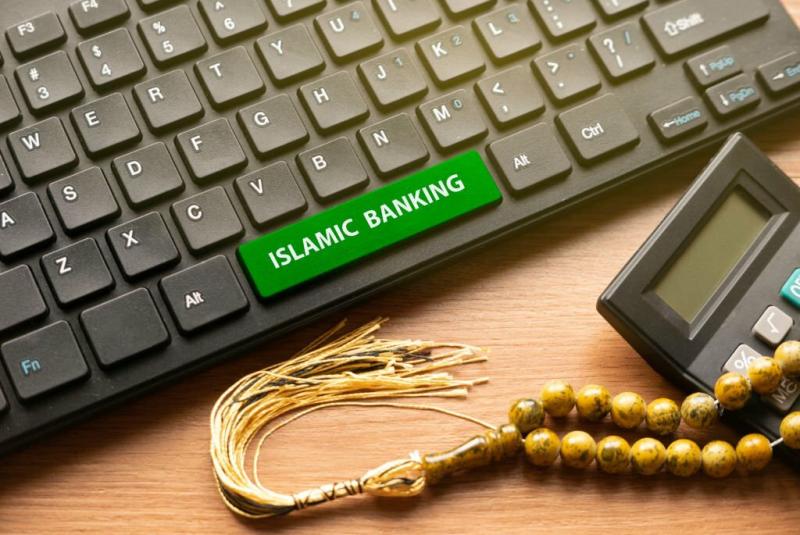
In recent years, Islamic finance has surged as a significant component of the global financial landscape, particularly in emerging markets. This growth is driven by ethical investment principles aligning with Islamic law (Sharia), combined with the increasing demand for diverse financial products and services. This article meticulously examines the development, key trends, and educational influences fostering growth in the Islamic finance sector within emerging markets.
Key Trends in Emerging Markets Islamic Finance
Islamic finance distinguishes itself by adhering to Sharia principles that prohibit earning interest and investing in sectors deemed unethical. These principles appeal especially to Muslim-majority countries and regions with significant Muslim populations.
Rapid Growth and Expansion
Emerging markets, notably in Asia, the Middle East, and Africa, have witnessed an exponential increase in Islamic finance assets.
Global Presence: Islamic banking assets are anticipated to grow by 10-12% annually in emerging markets.
Financial Inclusion: Islamic finance promotes financial inclusion, providing banking services to unbanked populations.
Diversification: Financial products beyond traditional banking, such as Sukuk (Islamic bonds) and Takaful (Islamic insurance), are flourishing.
Technological Advancements
Technology plays a crucial role in evolving Islamic finance:
Fintech Innovations: Blockchain technology, AI, and mobile banking enhance accessibility and efficiency.
Digital Banking: Rise of fully digital Islamic banks catering to tech-savvy younger populations in emerging markets.
Regulatory Support and Standardization
Robust regulatory frameworks and standardized practices are essential for the systemic growth of Islamic finance.
Global Standards: Organizations like the Accounting and Auditing Organization for Islamic Financial Institutions (AAOIFI) aid in standardizing practices.
Local Regulations: Countries like Malaysia and the UAE, known for their leadership in Islamic finance, offer strong regulatory support.
Empowering Professionals through Education
AIMS Education's Role
To sustain and enhance the growth of Islamic finance, the role of education is paramount. AIMS (Academy for International Modern Studies) provides internationally recognized, accredited, and job-oriented qualifications in Islamic banking and finance.
Offering:
Comprehensive Curriculum: Courses cater to varying levels of expertise, from beginners to advanced professionals.
Flexible Learning: Online programs facilitate learning for professionals worldwide, enhancing their knowledge and career prospects.
Interactive Learning: Practical exposure through case studies, real-world scenarios, and industry expert guidance.
AIMS' contributions significantly empower professionals to navigate and excel in the Islamic finance sector.
Professional Review 1:
“Enrolling in the MBA in Islamic Banking at AIMS was a transformative experience. The extensive curriculum and practical insights helped me transition into the Islamic finance sector seamlessly.” - Ahmed Rasheed, Financial Analyst
Professional Review 2:
“AIMS' programs offered the flexibility I needed to upskill while working full-time. Their hands-on approach prepared me well for real-world challenges in the Islamic finance industry.” - Fatima Noor, Islamic Banking Professional
The Role of Institute of Islamic Finance and Insurance
Hyperlinking the Institute of Islamic Finance and Insurance within the context of educational contributions is vital. This institute offers specialized training, enhancing the understanding and application of Sharia principles in contemporary finance. Its initiatives foster a new generation of qualified professionals equipped to innovate within the industry.
Statistical Insights and Market Dynamics
Key Figures and Statistics
The market dynamics of Islamic finance are influenced by various economic and demographic factors.
Asset Growth: According to the Islamic Financial Services Board, global Islamic finance assets are projected to exceed $3 trillion by 2024.
Sukuk Issuance: Sukuk issuance has seen an upward trend, with an estimated growth rate of 15% per annum.
Market Penetration: Countries like Saudi Arabia, Malaysia, and Indonesia lead in market share, but new players are emergent.
Real-World Impact and Future Prospects
Islamic finance is not just a niche market; it significantly impacts the broader financial system:
Economic Development: Islamic finance fosters sustainable economic growth by encouraging investments in real assets and ethical projects.
Cross-Border Investments: Enhanced cross-border transactions and collaboration between emerging markets boost economic interconnectivity.
Common Queries about Emerging Markets Islamic Finance
Q1: What is Islamic Finance?
A1: Islamic finance refers to financial activities adhering to Sharia law, prohibiting interest (riba) and investing in haram (forbidden) industries.
Q2: Which countries are leading in Islamic finance?
A2: Saudi Arabia, Malaysia, UAE, and Indonesia are at the forefront, with growing markets in Africa and Central Asia.
Q3: How do technological advancements impact Islamic finance?
A3: Technologies like blockchain and AI enhance transparency, efficiency, and reach of Islamic financial services.
Q4: How can professionals advance their careers in Islamic finance?
A4: Enrolling in specialized programs, like those offered by AIMS, equips professionals with the necessary skills and knowledge.
Q5: What is Sukuk?
A5: Sukuk is an Islamic financial instrument, similar to bonds, representing ownership in tangible assets, services, or projects.
Q6: How is AIMS contributing to Islamic finance education?
A6: AIMS offers comprehensive, accredited programs that blend theoretical knowledge with practical insights, aiding career growth.
Q7: Why is Islamic finance growing in emerging markets?
A7: Factors include a large Muslim population, ethical investment appeal, supportive regulatory environments, and financial inclusion initiatives.
Conclusion
The trajectory of Islamic finance in emerging markets demonstrates its critical role in the global financial fabric. With continuous technological advancements, robust regulatory support, and education, like that provided by AIMS, the sector is poised for substantial growth. As emerging markets continue to recognize the value of ethical finance, Islamic finance will further integrate into mainstream financial systems, promising sustainable and inclusive economic development.
References
Islamic Financial Services Board. (2023). Global Islamic Finance Report.
AAOIFI. (2022). Standards and Regulations Overview.
World Bank. (2023). Financial Inclusion through Islamic Finance.
AIMS Education. (2023). About Islamic Banking and Finance Education.
Post Your Ad Here
Comments