Leasing a Car: The Pros, Cons, and Everything in Between
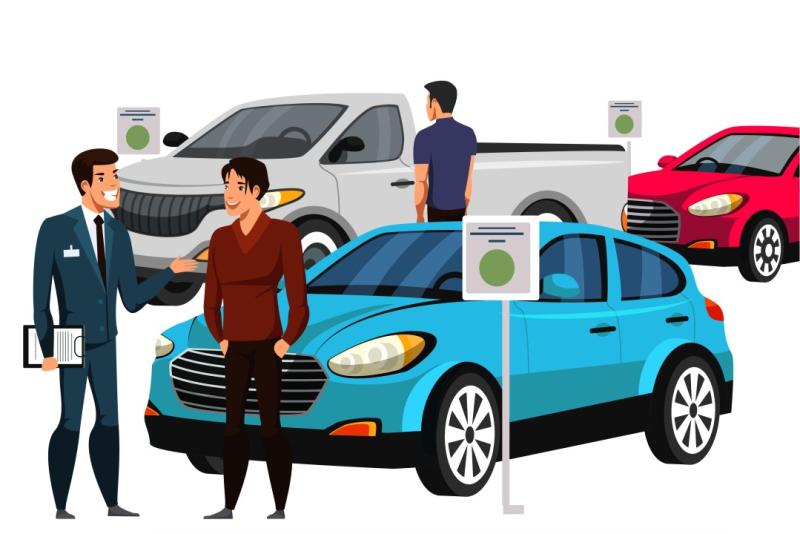
Leasing a car is often seen as an attractive option, especially for those who enjoy driving a new vehicle every few years. But is it the right choice for everyone? In this blog post, we’ll explore the pros and cons of car leases under $200 a month no money down, as well as what you should consider before making the leap.
What is Car Leasing?
Car leasing is a long-term rental agreement where you essentially pay for the depreciation of the car over a specified period, often 2-3 years. At the end of the lease term, you return the car, or you have the option to buy it.
Pros of Leasing
-
Lower Monthly Payments: Leasing typically offers lower monthly payments compared to buying a car because you're only paying for the car’s depreciation, not its full value.
-
Newer Models: Leasing allows you to drive the latest car models with up-to-date technology and features without committing to a full purchase.
-
Lower Repair Costs: Most leased vehicles are under warranty for the duration of the lease, reducing the potential for expensive repair bills.
-
Flexibility: If you like change, leasing can give you the opportunity to switch cars every few years.
Cons of Leasing
-
Mileage Limits: Leases often come with mileage restrictions. If you exceed the agreed-upon limit, you may face hefty fees.
-
No Ownership: At the end of the lease, you own nothing. If you were planning to keep the car long-term, buying might be a better option.
-
Customization Restrictions: Since you don’t own the vehicle, customization options are usually limited during the lease term.
-
Potential Fees: If the car shows excessive wear and tear, you could be charged extra fees when the lease ends.
Is Leasing Right for You?
Leasing works best for those who enjoy having a new car every few years and don’t want to deal with long-term maintenance. However, if you plan to keep a car for a long time or drive extensively, buying might be a better fit.
Title 2: "Should You Lease or Buy? A Simple Guide to Help You Decide"
The decision between leasing and buying a car can be confusing. In this guide, we’ll break down the key differences between the two options to help you make an informed decision.
Leasing vs. Buying: The Key Differences
-
Ownership: When you lease a car, you’re essentially renting it for a set period. When you buy, you own the car outright and can keep it for as long as you want.
-
Upfront Costs: Leasing often requires little to no down payment, whereas buying usually requires a significant down payment, especially for new cars.
-
Monthly Payments: Lease payments are typically lower than loan payments for the same car because you're only paying for depreciation. When buying, you're paying off the full price of the vehicle.
-
Maintenance: Lease terms often cover the vehicle under warranty for most repairs, whereas with ownership, you’ll need to budget for maintenance costs after the warranty expires.
When Leasing Makes Sense
Leasing is a great choice for people who enjoy driving new cars every few years and don’t mind handing the vehicle back at the end of the lease. If you don’t drive long distances and want lower monthly payments, leasing may be right for you.
When Buying Makes Sense
If you prefer long-term ownership and want to avoid the limitations of a lease (like mileage restrictions or customization issues), buying a car might be the best route. Additionally, if you plan to keep the car for many years, buying is often the more cost-effective option.
Title 3: "Car Leasing: Hidden Fees and How to Avoid Them"
Leasing a car can be a smooth process, but it's important to be aware of potential fees that could catch you by surprise. In this post, we’ll discuss some common hidden fees in car leases and how you can avoid them.
Common Car Lease Fees
-
Excess Mileage Fees: Most leases come with mileage limits (e.g., 10,000 to 15,000 miles per year). If you exceed this limit, you could face charges of 15 to 25 cents per mile over the limit.
-
Excess Wear and Tear Charges: Leasing companies usually expect the car to be returned in "good" condition. Excessive scratches, dents, or interior damage could result in additional fees.
-
Early Termination Fees: If you need to terminate the lease early, you might be charged an early termination fee. This can sometimes be substantial, especially if you haven’t met the required lease term.
-
Disposition Fees: When you return the car, some leasing companies charge a fee for handling the return and selling the car. These fees can range from $200 to $500.
-
Acquisition Fees: This is the initial fee charged by the leasing company for arranging the lease. It’s often rolled into the overall lease cost but can be a few hundred dollars.
How to Avoid Hidden Fees
-
Negotiate the Lease Terms: Always ask for the details of any potential fees upfront before you sign a lease agreement.
-
Stay Within the Mileage Limits: If you anticipate driving more than the average miles, ask for a higher mileage limit at the outset to avoid excess mileage fees.
-
Care for the Vehicle: Maintain your car well to avoid wear and tear charges. Regular cleaning, keeping it in a garage, and fixing minor issues promptly can save you money.
-
Consider Lease Buyout: Some leases offer a buyout option at the end of the lease term, which can be useful if you want to avoid returning the car or paying for excessive fees.
Title 4: "How to Lease a Car: A Step-by-Step Guide"
Leasing a car is a straightforward process, but it’s important to understand each step to avoid surprises later. Here’s a comprehensive guide to help you lease a car like a pro.
Step 1: Determine Your Budget
Before you start shopping around, establish a budget for how much you can afford to pay monthly. Don’t forget to factor in insurance, gas, and maintenance costs.
Step 2: Research Lease Deals
Leasing terms can vary greatly depending on the make and model of the car, so it’s important to shop around for the best deals. Compare prices from multiple dealerships and check if any special promotions or incentives are available.
Step 3: Choose Your Car
Once you have a budget and know what deals are available, it's time to select the car. If you’re leasing a car for a few years, consider how well it will suit your needs over time. Think about fuel efficiency, safety ratings, and how much mileage you expect to drive.
Step 4: Review Lease Terms
Carefully review the lease agreement. Look for things like mileage limits, wear-and-tear policies, and the buyout option at the end of the lease. Always be aware of any fees that may be involved.
Step 5: Negotiate the Lease
Leasing is not set in stone, and you can often negotiate terms like the down payment, interest rate (money factor), and monthly payment. Don’t hesitate to ask for better terms if you feel the deal could be improved.
Step 6: Finalize the Lease Agreement
Once you’ve agreed on the terms, finalize the paperwork, and you’re all set! Ensure you have a copy of everything, including any additional agreements made during the negotiation process.
Post Your Ad Here
Comments