Five Effective Ways to Reduce Hotel Lobby Lines and Improve Guest Satisfaction
The hotel lobby represents a critical first touchpoint where
exhausted travelers form their initial impression of your property.
Unfortunately, long
check-in lines often create frustration that colors the entire stay
experience. These bottlenecks go beyond simple inconvenience—they reflect
operational inefficiencies that directly impact staff productivity and
satisfaction scores.
As guest expectations evolve toward frictionless
experiences, traditional check-in procedures increasingly feel outdated.
Forward-thinking hoteliers now recognize that solving lobby congestion transforms
the arrival experience into a genuine competitive advantage.
Let's explore five proven strategies for eliminating lobby
lines, with particular attention to how self-service technology is
revolutionizing guest arrivals.
Mobile Check-In Solutions
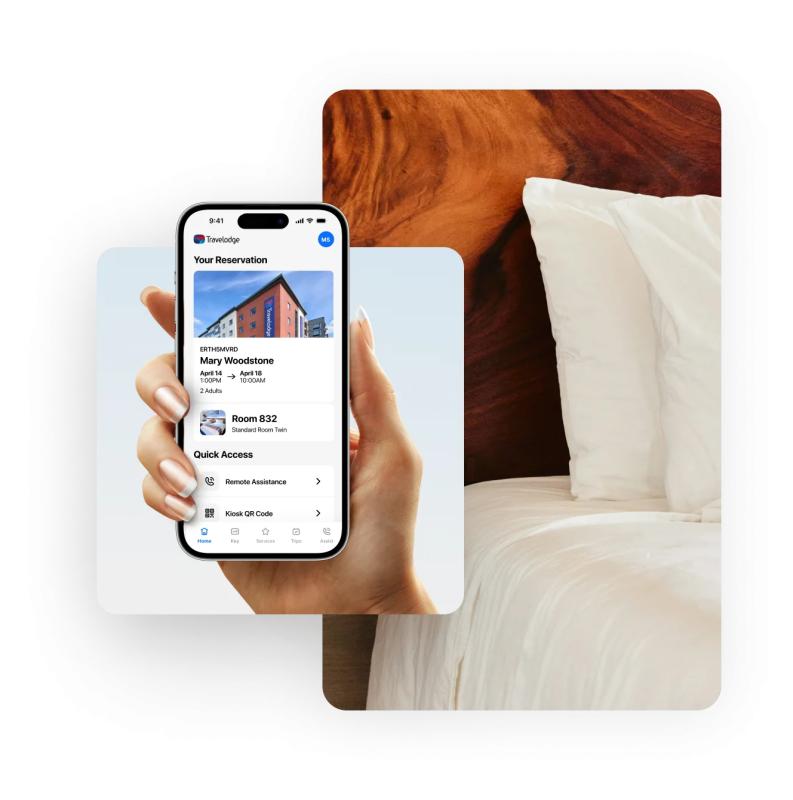
Mobile check-in shifts the entire arrival process to the
guest's smartphone, eliminating traditional front desk transactions for
tech-savvy travelers.
Guests receive pre-arrival communications, guiding a
self-service check-in experience. The most effective solutions integrate with
property management systems to assign rooms based on preferences and
availability without staff intervention.
This technology mainly benefits business travelers and
frequent guests who prioritize efficiency. Beyond convenience, mobile check-in
creates opportunities for personalization throughout the stay, allowing
properties to collect preference data and customize subsequent experiences.
For hotels adopting this approach, staff deployment changes
significantly. Front desk personnel transition from transaction processors to
experience enhancers, focusing on meaningful interactions rather than paperwork
and data entry.
Self-Service Kiosks
Check-in
kiosks maintain the in-person check-in experience while eliminating
traditional lobby hassles. These touchscreen interfaces enable guests to
independently manage room selection, payment processing, and key encoding.
Modern kiosks incorporate sophisticated verification
capabilities, such as passport scanning, biometric matching, and fraud
detection algorithms, which often exceed human accuracy. Successful
implementations balance security requirements with user experience, maintaining
straightforward processes despite regulatory complexities.
Strategic placement significantly impacts adoption rates.
Leading properties position kiosks prominently at entry points with clear
signage and occasional staff presence for first-time users. This positioning
makes self-service appear as the standard rather than an alternative option.
The value of kiosks becomes most apparent during peak
arrival windows when traditional staffing would create bottlenecks. They
transform sequential processing (one guest at a time) into parallel operations
(multiple simultaneous check-ins), dramatically improving throughput during
high-volume periods.
Line Management Systems
Intelligent queue management offers significant improvements
for properties that maintain traditional check-in processes without complete
system overhauls. These tools replace physical lines with virtual queues,
allowing guests to register and freely enjoy public spaces until their turn
approaches.
Most implementations combine user-friendly
interfaces—typically tablets near entrance areas—with notification systems that
text guests as their check-in time approaches. The psychological impact is
substantial; waiting 20 minutes feels considerably shorter when enjoying
amenities rather than standing in line.
Advanced systems leverage predictive analytics to anticipate
busy periods and adjust staffing accordingly. By analyzing historical patterns,
flight arrivals, and group bookings, managers can deploy personnel proactively
rather than reactively respond to forming lines.
This approach particularly benefits properties with seasonal
fluctuations or limited front desk space that cannot physically accommodate
traditional queues during peak periods. It maintains personal service while
eliminating the negative visual impact of lobby congestion.
Staff Deployment Strategies
Sometimes, the most effective solutions involve rethinking
human resources rather than implementing new technology. Strategic staff
deployment—especially mobile check-in agents—can dramatically reduce perceived
wait times while preserving the personal touch that distinguishes hospitality
brands. Hotels transform fixed service points into fluid interactions that
adapt to current demand by equipping personnel with mobile devices. Additional
staff can circulate throughout the lobby during busy periods, intercepting
arriving guests before they reach the traditional desk.
Effective implementation requires specialized training
beyond technical proficiency. Mobile agents need strong situational awareness,
greeting skills, and the ability to process transactions while maintaining
natural conversation competencies, which are quite different from traditional
desk operations.
This model delivers particular value for luxury properties
where personal service remains central to brand identity. It preserves human
connection while removing transactional barriers, creating memorable arrivals
focused on hospitality rather than paperwork.
Complete Self-Service Solutions
While individual strategies offer benefits, truly
transformative results come from comprehensive platforms addressing the arrival
journey. Virdee stands out in this category, providing an end-to-end
solution that eliminates lines while creating revenue opportunities
throughout the guest experience.
The Virdee platform integrates mobile check-in, digital key
delivery, and ID verification into a cohesive ecosystem working seamlessly with
existing property management systems. Unlike partial approaches, it addresses
every friction point in the traditional arrival process, enabling truly
autonomous check-in for self-service-oriented guests.
Recognizing that traveler preferences vary widely, the
platform offers flexible deployment options. Properties can maintain staffed
service for guests who prefer personal interaction while offering complete
automation for the growing segment that prioritizes efficiency.
A distinctive strength lies in Virdee's revenue management
capabilities. The system transforms check-in from operational necessity to
profit center through strategically timed upsell opportunities—offering room
upgrades, amenity packages, and experience enhancements when guests are most
receptive. These features generate measurable ROI beyond operational savings.
Perhaps most importantly, Virdee dramatically reduces wait
times by fundamentally changing arrival mathematics. Traditional processes
require 3-5 minutes per guest, creating inevitable bottlenecks regardless of
staffing levels. Self-service enables unlimited parallel check-ins, eliminating
wait time for digitally enabled travelers.
Final Thoughts
These strategies represent a spectrum of approaches from
incremental improvements to transformative redesigns. Property managers should
evaluate options against their specific guest demographics, physical
constraints, and service philosophy to determine optimal implementation.
Success depends on thoughtful change management beyond
technology deployment. Staff training, clear guest communication, and
continuous process refinement create the seamless experiences that drive adoption
and satisfaction.
The trend toward self-service continues to accelerate, with leading properties already achieving 60-70% digital check-in rates among certain guest segments. For hotels committed to eliminating lobby lines while enhancing arrival experiences, comprehensive platforms like Virdee offer the most complete solution, transforming a traditional pain point into a modern advantage.
Post Your Ad Here
Comments