Eco-Friendly Packaging Supplies: The Future of Sustainable Shopping Bags
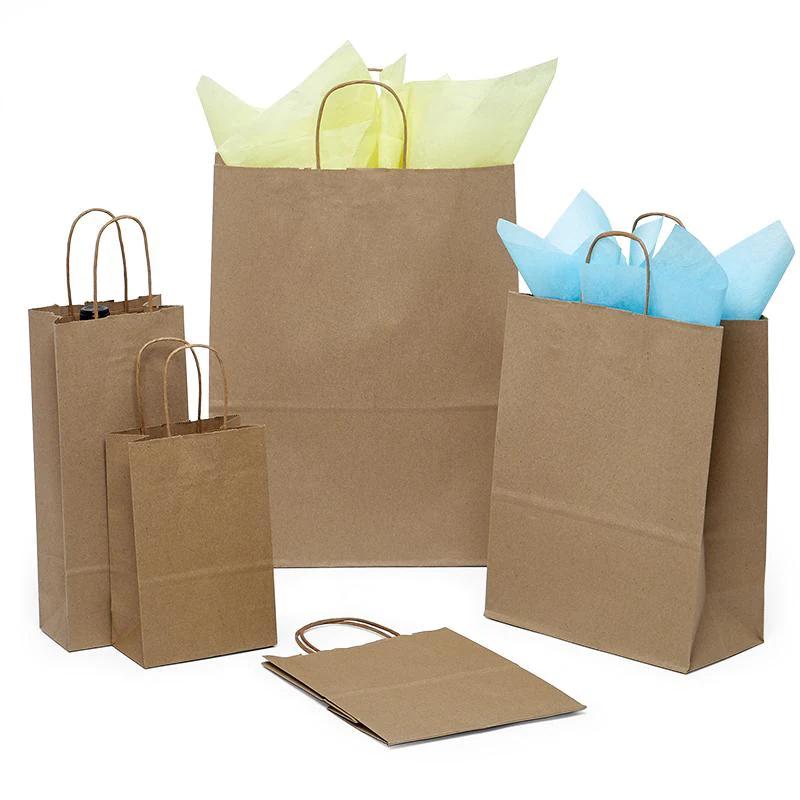
In an era where environmental consciousness is at the forefront, businesses and consumers alike are shifting toward sustainable alternatives. One of the most significant steps in this green revolution is the adoption of eco-friendly packaging supplies, particularly shopping bags. As plastic pollution continues to wreak havoc on ecosystems, the demand for biodegradable, compostable, and reusable shopping bags has surged. These alternatives not only reduce waste but also promote responsible consumption.
The Environmental Impact of Traditional Plastic Bags
Traditional plastic shopping bags, made from petroleum-based polyethylene, pose a significant threat to the environment. These bags take hundreds of years to decompose, clogging landfills and polluting oceans. According to environmental studies, over one trillion plastic bags are used globally each year, with only a fraction being recycled. The rest end up as litter, endangering marine life and wildlife.
To combat this growing issue, businesses and consumers must transition to sustainable packaging solutions. Eco-friendly shopping bags serve as a practical and responsible alternative to conventional plastic bags, offering environmental, economic, and social benefits.
Types of Eco-Friendly Shopping Bags
1. Reusable Bags
Reusable shopping bags are among the most effective solutions to reduce plastic waste. Made from durable materials such as cotton, jute, recycled plastics, and canvas, these bags can be used multiple times, significantly cutting down single-use plastic consumption. Many retailers encourage customers to bring their own reusable bags, often offering incentives for doing so.
2. Biodegradable Bags
Biodegradable shopping bags are designed to break down naturally over time, unlike traditional plastic bags. These bags are made from plant-based materials such as cornstarch, potato starch, and other compostable polymers. Unlike standard plastic, biodegradable bags decompose in a matter of months under the right conditions, reducing their environmental impact significantly.
3. Paper Bags
Kraft paper bags are a classic alternative to plastic bags. Made from renewable resources, they are biodegradable and recyclable. Many businesses have switched to kraft paper bags, which offer a sturdy and sustainable option for carrying groceries, clothing, and other purchases. However, it is important to source paper bags from responsible forestry operations to avoid deforestation concerns.
4. Compostable Bags
Compostable shopping bags are an advanced version of biodegradable bags. These bags not only break down naturally but also contribute to soil health by turning into compost when disposed of correctly. Certified compostable bags meet industry standards and break down completely in industrial composting facilities.
5. Recycled Plastic Bags
For businesses that still require plastic bags, opting for recycled plastic versions is a more sustainable choice. Recycled plastic bags use post-consumer waste, reducing the need for virgin plastic production. These bags help divert plastic waste from landfills and support a circular economy.
Benefits of Using Eco-Friendly Shopping Bags
1. Reduced Environmental Footprint
Eco-friendly shopping bags significantly lower plastic pollution by reducing the number of single-use plastics discarded in landfills and oceans. Sustainable bags, particularly reusable ones, decrease the overall demand for new plastic production.
2. Cost-Effective in the Long Run
While eco-friendly bags may have a slightly higher initial cost, they offer long-term savings. Reusable bags eliminate the need to purchase new bags frequently, and many governments impose plastic bag levies, making single-use plastics more expensive.
3. Brand Image and Customer Loyalty
Businesses that adopt sustainable packaging enhance their brand reputation. Consumers are increasingly choosing brands that align with their environmental values. Offering eco-friendly shopping bags can increase customer loyalty and attract eco-conscious shoppers.
4. Compliance with Regulations
Many governments worldwide are implementing bans and restrictions on single-use plastics. Businesses that transition to sustainable packaging solutions proactively comply with regulations, avoiding potential fines and legal repercussions.
5. Support for a Circular Economy
Eco-friendly shopping bags promote a circular economy, where materials are reused, recycled, or composted instead of being discarded as waste. This reduces reliance on finite resources and minimizes environmental damage.
The Future of Sustainable Shopping Bags
The future of packaging lies in innovation and sustainability. Companies are now experimenting with novel materials such as seaweed-based packaging, mushroom-derived alternatives, and upcycled textiles to create durable and biodegradable bags. Smart packaging solutions, including embedded QR codes that provide disposal guidance, are also emerging.
Consumers play a crucial role in driving this change by making informed choices. Opting for reusable, biodegradable, or compostable shopping bags encourages businesses to invest in sustainable practices, ultimately leading to a greener planet.
Conclusion
Eco-friendly packaging supplies, particularly shopping bags, are a critical step toward reducing environmental impact and promoting sustainability. Businesses and consumers alike must embrace these alternatives to combat plastic pollution and protect the planet. By choosing reusable, biodegradable, or compostable bags, we can collectively work towards a cleaner, greener future. The shift to sustainable shopping bags is not just a trend but a necessity for a healthier environment and a more responsible world.
Post Your Ad Here
Comments