Got a business? The question is not if
cybersecurity issues will threaten your business but when those threats will
come. Most companies use broadband for day-to-day operations, so a secure
connection should be prioritised. After all, the last thing you want to do is
sit on the phone with IT for hours, trying to recover from a data breach. So,
let's get on to why you need to secure your business broadband
connection—and how you can.
Tips
for Secure Business Broadband Setup
1.
What You Need to Know About Cybersecurity Threats for Businesses
Companies these days are magnets for
cybercriminals. From ransomware to phishing attacks, the range of threats is
enormous, and they usually have the power to inflict tremendous harm. An
infected business phone and broadband connection can enable hackers to
steal confidential information, intercept private emails, or even crash your
website. In short, it's not merely a matter of staying away from pop-up ads; a
breach could mean losing everything—from customer trust to money.".
2.
Protecting Your Business Broadband Network
It begins with choosing the appropriate business
broadband package. Not all broadband providers are equal. Some have more
advanced security features, such as encryption, which prevents hackers from
getting into your network. When shopping around, choose business broadband
services that offer firewalls, encryption, and secure routing capabilities.
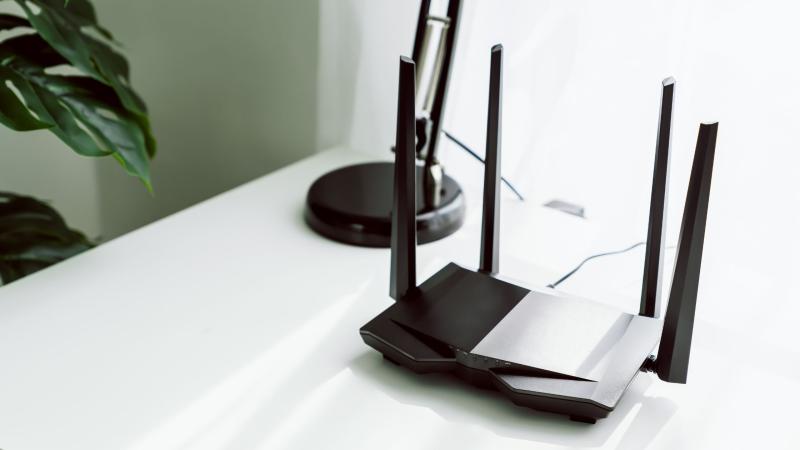
Second, remember to configure your router. It may
seem obvious, but employing the default password (or, heaven forbid, not
changing it at all) is one of the simplest ways to leave your business exposed.
Alter those default settings, and don't forget to update your router's
firmware. Trust us—your router is more crucial than you realise. If it isn't
secure, neither is your business.
3.
Business Broadband and Phone Security Together
You should be concerned about more than your web
connection; if your business phone and broadband services are bundled, you have
another vulnerability. Voice over Internet Protocol (VoIP) networks are
wonderful for cutting costs on calls, but they also present new opportunities
for cybercriminals. Ensure your VoIP service is secured with good passwords and
encryption to avoid eavesdropping or access by unauthorised persons.
4.
Implementing Strong Passwords and Multi-Factor Authentication (MFA)
If your password is "password123,"
we've got bad news for you. Strong, unique passwords are your first line of
defence against unwanted intruders. And while we're at it, don't forget to
enable multi-factor authentication (MFA) wherever possible. This added layer of
protection can prevent hackers from ever reaching your business systems—even if
they get their hands on your password. It adds a deadbolt to your front door
after the lock is installed.
5.
Regular Software and Firmware Updates
It's tempting to hit "remind me later"
on those software and firmware update notifications, but don't give in! Those
updates often include important security patches that protect your business
from known vulnerabilities. Whether it's your business broadband router,
operating system, or any other connected device, keeping everything up-to-date
ensures that you're not leaving the back door wide open for hackers to waltz in.
Conclusion:
Keep It Tight, Keep It Safe
Securing your business broadband
connection may be a hassle, but consider it an investment in your company's
future. You can minimise the odds of a cyberattack by choosing the proper
broadband plan, having your network set up correctly, securing your business broadband deals, employing good passwords and MFA, and staying current.
Ultimately, a small investment now can save you many headaches down the line.
So, go ahead and test your business broadband's security—it's better
than waiting for the next (unwelcome) shock.