Emerging Trends in Delhi Commercial Real Estate: A Look Ahead
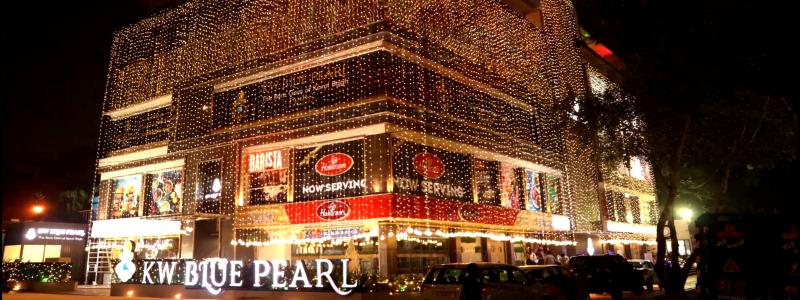
The surge in investments in
Delhi-NCR has been primarily driven by the office segment, with major equity
buy-outs by prominent fund houses. Delhi, the bustling capital of India, stands
at the juncture of transformation regarding its commercial real estate. In this
article, we have highlighted the emerging trends in Delhi commercial real
estate projects and their probable impact on the future dynamics of the market.
The commercial real estate market is fast evolving in the city as it is
constantly being influenced by rapid advancements in technology, shifting
economic dynamics, and constantly changing business needs.
1. Emergence of Flexible Workspaces
Trend
Analysis: The COVID-19 pandemic
accelerated the adoption of remote and hybrid work models. In response, demand
for flexible workspaces has seen a significant increase in growth. Coworking
spaces and serviced offices are no longer niche but mainstream options for
companies in pursuit of agility and cost efficiency.
Impact on
Market Dynamics: Flexible workspaces have
started to reshape the demand for commercial properties. The need to reconsider
the use of conventional office spaces can reduce long-term commitments. It is
increasing adaptability and a focused approach toward tenant needs, which
further gives rise to dynamic real estate.
2.
Technological Integration and Smart Buildings
Trend
Analysis: In real estate, especially in
building construction, the integration of technology is picking up remarkable
speed. Features like IoT-enabled systems for energy management, sophisticated
security, and improved operational efficiency will probably become standard.
Impact on
Market Dynamics: Smart buildings promise not
only a reduction in operational expenses but also an enhanced experience for
the tenants. With the growing trend of these technologies, properties that
incorporate them into their entities will certainly net high rents and premiums
from tenants. This could lead to a possible market bifurcation whereby
high-tech, well-managed properties begin to see stronger demand than
traditional buildings.
3.
Sustainability and Green Building Initiatives
Trend
Analysis: Sustainability has indeed
become an integral part of the requirement and no more an option. Most of the
new commercial projects in Delhi are targeting either LEED or GRIHA certification. The
focus is now on energy-efficient design, reduction of waste, and use of
sustainable
materials.
Impact on
Market Dynamics: Emphasis on sustainability
might jack up the costs in the initial phases, but it is bound to bring in
long-term savings and increases property value. Buildings that have strict
environmental standards will surely see the rush of tenants who have good
corporate social responsibility goals. Other factors that may continue to push
up demand for green buildings include regulatory incentives and growing
consumer awareness of environmental concerns.
4.
Revitalization of Urban Spaces
Trend Analysis: Similarly, the commercial landscape of Delhi has
witnessed the resurgence of old city areas. Across the neglected zones,
redevelopment projects turn them into thriving business districts. Many such
projects have mixed-use developments combining office space with retail and
residential components.
Market
Dynamics-Impact: Since it is a process of urban
renewal, this may lead to increased property prices and attract business
entities into some premium locations featuring good infrastructure and connectivity.
This trend also instills economic activities in underdeveloped areas and thus
helps in rendering a commercial real estate market more balanced and
diversified.
5.
Health and Well-being End
Trend
Analysis: The post-pandemic era has
heightened awareness of health and well-being in the workplace. Commercial real
estate projects are now incorporating features that promote wellness, such as
better air quality, natural lighting, and access to green spaces.
Shifts in
Market Dynamics: Those properties that had
wellness factors as priorities may then be more attractive to tenants and
investors. This may be an influence on design standard shifts with trends in
tenant preference to provide health-centric features prominent in commercial
real estate development.
6.
Growth of E-Commerce and Warehousing
Trend
Analysis: The exponential growth in the
e-commerce business has brought up a surge in demand for warehousing and
logistics facilities. Delhi's commercial real estate market is seeing increased
investments in logistics hubs and distribution centres to support the growth in
online retailing.
Market
Implication: Greater e-commerce would support
demand for warehousing space and could force rebalancing of commercial real
estate portfolios. Investors and developers may raise their interest in
logistics real estate due to stable returns and high occupancy rates.
Conclusion:
The commercial real estate sector of
Delhi is fast changing owing to changing work style and technology,
sustainability, and fluctuating economic conditions. It would be essential for
the stakeholders to adapt themselves to the new trend that the market has been reshaped for and with flexible workspaces, smart buildings, green initiatives,
urban revitalization, wellness-focused designs, and warehousing space caused by
rising e-commerce. Innovation, adaptability, and sustainability are going to
mark the future of Delhi's commercial real estate and define new peripheries
for the sector.
This landscape, with evolving trends, is full of challenges and opportunities, and being tuned into the trend will be very important for the investors, developers, and businesses operating in commercial real estate Delhi.
Post Your Ad Here
Comments