How to Choose a Location for Your Weekend Property
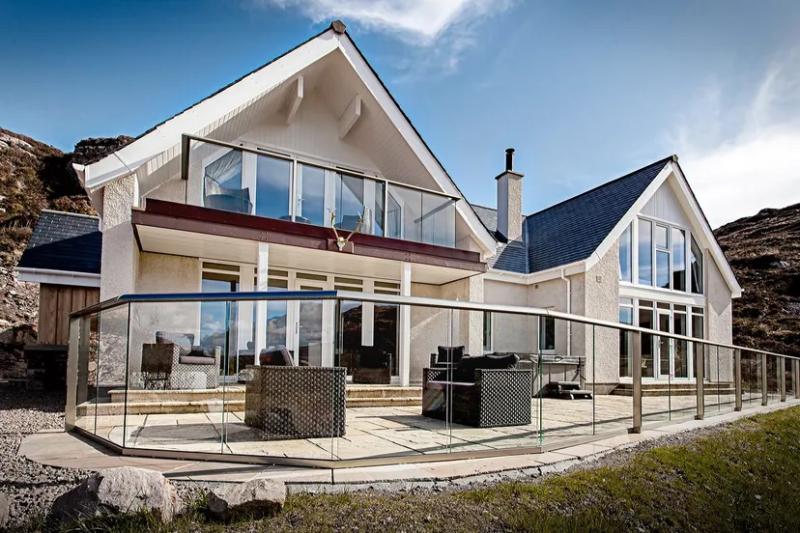
Selecting the perfect location for a Weekend Property is a decision that balances personal desires with practical considerations. This choice will significantly impact not only your enjoyment but also the long-term value of your investment. Let's explore the key factors to consider when searching for your ideal weekend retreat.
Assess Your Purpose and Priorities
Before diving into property searches, clarify exactly what you want from your weekend home:
Are you seeking a peaceful retreat from city life? A base for outdoor adventures? A place to entertain friends and family? Or perhaps a future retirement location?
Your intended use will heavily influence location requirements. A mountain biking enthusiast might prioritize proximity to trails, while someone seeking tranquility might prefer isolation from tourist areas.
Consider how often you'll realistically visit. Properties within a 2-3 hour drive from your primary residence tend to get more use than those requiring flights or longer drives. The "golden radius" for weekend properties is typically within 100-150 miles from your main home—close enough for spontaneous trips but far enough to feel like an escape.
Climate and Seasonal Considerations
Climate affects both enjoyment and maintenance requirements:
- If you plan to use the property year-round, choose a location with appealing seasonal changes or consistent weather.
- Consider seasonal access—mountain properties might be inaccessible during winter storms, while coastal areas might face hurricane risks.
- Evaluate how climate change might impact the area in coming decades—rising sea levels for coastal properties or increased wildfire risk in certain regions.
Remember that beautiful winter scenes often come with snow removal responsibilities, and beachfront paradises might require hurricane preparations.
Accessibility and Infrastructure
The most breathtaking locations sometimes lack basic amenities:
- Road quality and maintenance—particularly important for mountain or rural properties
- Reliable internet and cell service if you need to work remotely
- Distance to essential services like hospitals, grocery stores, and emergency services
- Utility reliability including water, electricity, gas, and sewage solutions
For remote properties, investigate whether solar power, generators, well water, or septic systems would be required—all adding complexity and cost.
Community and Surroundings
The surrounding community significantly impacts your experience:
- Is the area primarily vacation homes or permanent residents?
- Does the local economy depend on tourism or other industries?
- What's the community's character—quiet and conservative or vibrant and diverse?
- Are there restrictions from homeowners associations or local ordinances?
Visit potential locations during different seasons and times of the week. A quaint lakeside town might transform into a noisy tourist hub during summer weekends, while a charming ski village could become a ghost town in off-seasons.
Recreational Opportunities
Access to activities aligned with your interests enhances property enjoyment:
- Water enthusiasts should research lake or ocean access rights, boat storage options, and water quality
- Hikers and nature lovers might prioritize proximity to trails, parks, and wildlife areas
- Golfers might want properties near quality courses with reasonable green fees
- Cultural enthusiasts might prefer locations near theaters, museums, and festivals
Remember that proximity to popular attractions typically increases both property costs and rental potential.
Market Factors and Investment Potential
Even weekend properties represent significant investments:
- Research historical property value trends in the area
- Consider supply constraints—waterfront or mountain view properties tend to appreciate more due to limited supply
- Investigate local development plans that might enhance or detract from property values
- Assess rental potential if you plan to offset costs through vacation rentals
Areas with diverse economic drivers, improving infrastructure, and natural barriers to excessive development often maintain better long-term value.
Budget Realities
Purchase price is just the beginning:
- Property taxes vary dramatically by location—even within the same state
- Insurance costs for flood, fire, or hurricane-prone areas can be substantial
- Maintenance costs increase with property size, age, and environmental factors
- Consider management fees if you won't be regularly present to maintain the property
Create a comprehensive budget including all ownership costs, not just mortgage payments, to avoid financial strain.
Location-Specific Considerations
Different property types require specialized evaluation:
Waterfront Properties
- Research water rights, water level changes, erosion concerns, and flood insurance requirements
- Understand riparian rights, dock regulations, and shoreline maintenance responsibilities
- Consider privacy impacts during peak tourism seasons
Mountain Properties
- Evaluate road access during winter conditions and maintenance responsibilities
- Research wildfire risk, mitigation requirements, and insurance implications
- Consider slope, aspect, and solar exposure for energy efficiency
Rural Properties
- Investigate water sources, quality, and rights
- Research agricultural or conservation easements that might affect land use
- Consider distance to services and emergency response times
Resort Communities
- Understand HOA fees, rules, and assessment histories
- Research occupancy rates during off-seasons
- Consider future development plans within the community
Due Diligence Investigation
Before purchasing, conduct thorough research:
- Speak with local real estate agents who specialize in vacation properties
- Talk with potential neighbors about area challenges and benefits
- Visit municipal offices to learn about pending developments or infrastructure changes
- Research natural disaster history and environmental concerns
- Consider consulting with climate scientists about long-term regional projections
Making the Final Decision
After gathering information, trust both analysis and instinct:
- Visit the property multiple times during different conditions
- Stay in the area as a visitor before buying to experience it authentically
- Consider starting with a smaller, less expensive property to test your enjoyment
- Remember that the perfect weekend property balances joy of ownership with financial practicality
Your weekend property should ultimately provide what your primary residence cannot—whether that's natural beauty, recreational opportunities, or simply a change of pace. The right location creates a sanctuary that enhances your life while potentially building long-term wealth.
By carefully evaluating these factors and conducting thorough research, you'll be well-positioned to find a weekend property location that provides years of enjoyment while maintaining its value as an investment. The perfect weekend retreat balances heart and head—providing both emotional satisfaction and financial soundness in an increasingly complex real estate market.
Post Your Ad Here
Comments