10 Strange Noises That indicate AC Repair
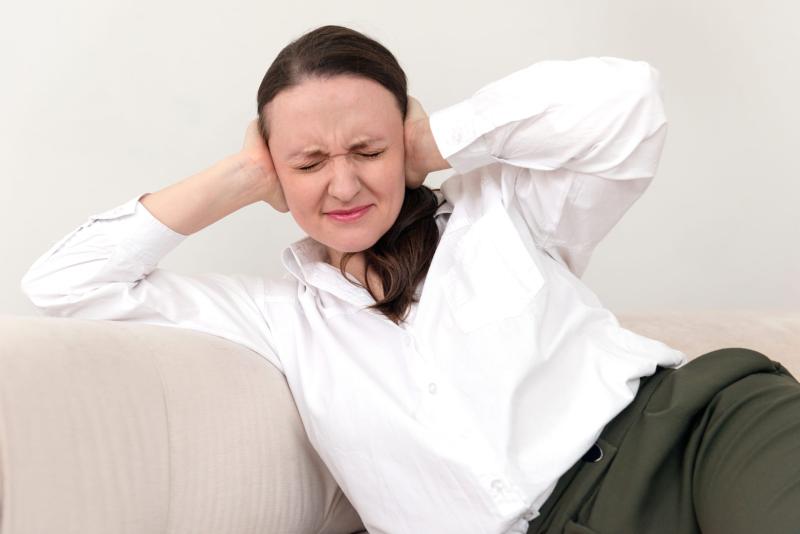
Air conditioning systems are engineered to operate smoothly, producing little more than a soft hum as cooled air flows through the vents. When odd or unsettling noises start coming from the unit, it’s often an early warning of a developing malfunction. Persistent AC noises should never be dismissed because they often point to electrical malfunctions, deteriorating parts, or restricted airflow. Homeowners and business owners need to act quickly by calling a professional AC repair service to help avoid expensive replacement and further system wear.
Unusual Air Conditioner Sounds That Require Attention
HVAC experts regularly encounter situations where clients ignore strange noises, believing they’re harmless, only to face system failure weeks later. One business owner once brushed off a persistent rattling sound as minor debris rattling around. Within a few weeks, the fan motor seized, resulting in a costly full replacement. Understanding the meaning behind specific sounds allows property owners to intervene before damage escalates.
1. Grinding Noise from AC Unit
A harsh grinding noise from the air conditioner usually signals worn motor bearings or a failing compressor. These essential components handle continuous movement, causing inevitable wear over time.
Bearings inside the blower motor may break down, causing direct metal contact.
The compressor might struggle internally, creating additional stress on the system.
Ignoring grinding noises increases the risk of motor burnout or total compressor failure, potentially requiring system replacement.
2. AC Making High-Pitched Whistling Sounds
Piercing whistling or screeching often points to severe airflow blockages or refrigerant issues. What begins as a light whistle can intensify rapidly without intervention.
Clogged or poorly designed air ducts can choke airflow, causing unsafe pressure spikes.
Refrigerant leaks reduce system pressure, threatening compressor operation.
Leaving these issues unresolved raises the risk of compressor overheating or permanent equipment damage.
3. Loud Banging Sound in AC System
A sudden banging sound usually means there’s a detached or fractured component inside the AC. These disruptive noises are often traced back to the compressor or the fan assembly.
Dislodged parts such as connecting rods or pistons may slam against the compressor casing.
Misaligned or damaged fan blades can strike interior surfaces, worsening mechanical damage.
Continued use of the AC while it bangs can trigger catastrophic system failure requiring full replacement.
4. Rattling Noise from AC When Running
Rattling often stems from loosened hardware, external debris, or a faltering fan motor. While it may sound harmless at first, ignoring it can escalate mechanical strain.
Vibrating screws, fasteners, or metal panels inside the unit often cause prolonged rattling.
Sticks, leaves, or other yard debris might get pulled into the condenser, disrupting airflow.
An aging or damaged fan motor may shake the entire system, leading to eventual failure.
5. AC Buzzing Noise Inside or Outside Unit
A constant buzzing noise typically links to electrical faults, refrigerant problems, or aging components. Electrical risks should always be considered with buzzing sounds.
Faulty wiring connections or weakening capacitors produce a loud buzzing vibration.
Low refrigerant levels can cause ice buildup, straining the compressor.
Internal parts may vibrate or rub against metal surfaces, worsening the noise and increasing wear.
6. Clicking Sound When AC Turns On and Off
An air conditioner should click softly when cycling, but repeated or loud clicking reveals deeper electrical trouble. Continuous clicking could mean the system is failing to engage fully.
A malfunctioning relay switch may block the AC from powering on correctly.
Faulty thermostats can misfire, causing repeated starts and stops.
If unchecked, constant clicking contributes to short cycling, putting immense pressure on the compressor.
7. AC Hissing Noise from Indoor Unit
Hissing sounds often point to refrigerant leaks or excessive internal pressure, both of which compromise performance and energy efficiency.
Refrigerant leaks are not just noisy but reduce cooling capacity and raise electric bills.
High internal pressure can force air through tiny fractures or compromised seals.
Hissing near the air handler might also signal ductwork damage, leading to conditioned air loss.
8. Squealing Sound from AC Fan or Blower
A sharp squealing or shrieking sound usually stems from a worn belt or failing blower motor. These moving parts endure high strain, especially during peak cooling months.
Aging or loose fan belts can slip, creating a continuous squealing noise.
Motor bearings may run dry, increasing friction and overheating risks.
Ignoring this issue can result in airflow reduction, causing uneven cooling and further wear.
9. Gurgling Noise Coming from AC System
Gurgling or bubbling noises signal refrigerant problems or drainage issues, often mistaken for harmless water sounds.
Refrigerant leaks can pull air into the lines, causing bubbling sounds as coolant flows unevenly.
A blocked condensate drain can force water back into the system, raising humidity levels indoors.
Failure to address these issues risks water damage or refrigerant loss, harming efficiency and system health.
10. Sudden Popping Noise in Air Conditioner
Popping noises may result from metal ductwork expanding and contracting, but repeated or loud pops signal airflow problems or failing duct material.
Extreme heat and cold cycles cause ducts to expand, creating sharp popping sounds.
Obstructed vents increase internal pressure, forcing panels or seams to pop.
If ductwork weakens over time, popping can turn into full collapses or costly air leaks.
Key Takeaways on Strange AC Noises During AC Repair
Grinding, whistling, and banging indicate advanced mechanical failure requiring prompt attention.
Rattling, buzzing, and clicking are often warning signs of loose components or electrical risks.
Hissing, squealing, gurgling, and popping sounds reveal refrigerant leaks, airflow blockages, or ductwork problems.
Neglecting these noises can lead to breakdowns, costly repairs, or the need for total AC replacement.
Regular maintenance allows HVAC professionals to detect problems early, keeping systems efficient and reliable.
Frequently Asked Questions
Why is my AC making a high-pitched whistle?
High-pitched whistling usually signals refrigerant leaks or severe airflow blockages. These issues reduce cooling performance and risk permanent compressor damage.
What does it mean if my AC is making a clicking noise?
Frequent clicking points to thermostat malfunctions, relay switch failures, or wiring issues. Early repair prevents further electrical damage.
Is a rattling noise from my AC dangerous?
Rattling suggests loose components or debris impacting moving parts. Left unresolved, it may lead to expensive fan or motor failures.
How do I stop my AC from making a buzzing sound?
Buzzing can result from electrical shorts, worn components, or low refrigerant levels. It’s essential to power off the system and seek professional repair.
What should I do if my AC is making a gurgling noise?
Gurgling often comes from air pockets in refrigerant lines or drainage blockages. A certified technician can fix these issues to restore efficient operation.
Post Your Ad Here
Comments