The Best Yoga Mats for Hot Yoga: Features You Need to Know
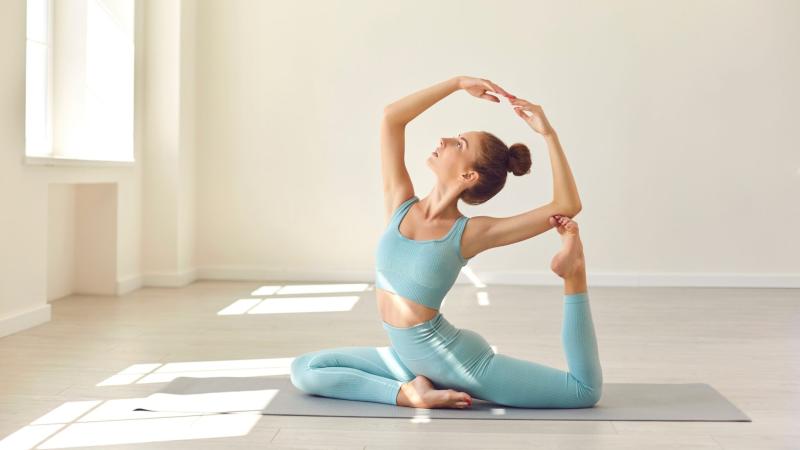
Hot yoga, whether it's Bikram, Vinyasa, or any other style
practiced in heated rooms, can be a truly invigorating experience. However, the
intense heat and sweat present unique challenges for practitioners, especially
when it comes to selecting the right yogamat. The right mat can make all the difference between a slip-and-slide
practice and one where you feel grounded, supported, and stable.
If you're searching for the perfect mat to use during hot
yoga, here are the key features you should look for:
1. Superior Grip
The heat and sweat can turn a regular mat into a slipping
hazard. That’s why grip is one of the most important factors to
consider. Mats with a high-tacksurface (like those made from natural rubber or microfiber) provide
enhanced traction, which is essential for maintaining stability and proper
alignment during your practice. Look for mats that offer non-slip performance,
especially when wet.
- Best
Option: Natural rubber mats or microfiber mats often provide superior
grip, especially when moisture is involved.
2. Moisture-Wicking Surface
Sweating is a natural part of hot yoga, but it can cause
discomfort if the mat doesn't handle moisture well. Some mats have moisture-wicking
surfaces, which help absorb sweat and keep the mat from becoming slippery. Microfiber
towels or mats with a towel-like top layer are designed to handle large
amounts of sweat, keeping you dry and providing more friction.
- Best
Option: Mats with a microfiber or polyurethane top layer, or towel
mats specifically designed for hot yoga.
3. Thickness and Cushioning
Hot yoga classes can be tough on your joints, especially
during floor poses. The right thickness and cushioning are
important to provide comfort while still allowing you to feel connected to the
ground. While thicker mats provide more cushion, they might also affect your
stability. A medium thickness, typically around 4mm to 6mm, is often ideal for
most practitioners.
- Best
Option: Medium-thickness mats that balance cushioning with support.
However, if you want extra padding, consider thicker mats made from TPE or
cork.
4. Durability in High Heat
Hot yoga sessions often take place in rooms with
temperatures reaching over 90°F (32°C), which can cause some materials to
degrade faster than others. Choose a mat that can withstand prolonged exposure
to heat without breaking down. Natural
rubber mats and high-quality PVC mats tend to be durable, even in the
high temperatures of a hot yoga studio.
- Best
Option: High-density PVC mats or natural rubber mats designed to
resist degradation.
5. Ease of Cleaning
Since hot yoga produces a lot of sweat, you’ll need a mat
that is easy to clean and maintain. Mats with antimicrobial properties
or those that can be wiped down or washed easily are great options. Some mats
are designed to be machine-washable, while others can simply be wiped down with
a gentle cleaner or damp cloth after each use.
- Best
Option: Mats made from TPE, natural rubber, or microfiber with a
smooth surface that is easy to clean.
6. Non-Toxic and Eco-Friendly Materials
Many hot yoga practitioners are concerned about the
materials their mats are made from, especially when it comes to the
environmental impact. Look for mats that are PVC-free, non-toxic, and
made from sustainable materials like TPE, natural rubber, or cork.
These materials are safer for your health and the planet.
- Best
Option: Eco-friendly mats made from natural rubber, TPE, cork, or
jute.
7. Size and Portability
While size depends on your height and preferences, consider
a mat that is extra-long if you're taller than average. Additionally,
portability is a key factor, especially if you plan to travel to classes.
Lightweight and easily foldable mats will be convenient to carry in your bag or
on your yoga mat strap.
- Best
Option: Lightweight, portable mats that come with straps or bags for
easy transport.
8. Price Range
Prices for yoga mats vary widely, so choose one that fits
within your budget while still meeting your needs. Higher-quality materials
like natural rubber or eco-friendly TPE tend to be pricier, but they last
longer and perform better in hot yoga settings.
- Best
Option: Invest in a quality mat within your budget, but prioritize
durability, grip, and moisture-wicking capabilities over price.
9. Odor Resistance
Mats used in hot yoga classes can sometimes develop odors
due to sweat and moisture. Look for mats that have Odor-resistant properties
or materials that naturally resist bacteria, such as those with antimicrobial
finishes. Natural rubber, for example, tends to have a more pleasant Odor
than PVC mats, which can sometimes have a strong chemical smell.
- Best
Option: Mats with antimicrobial features or made of natural rubber,
which help reduce Odors.
Top Yoga Mat Recommendations for Hot Yoga:
- Yoga Mat
- Best
for: Eco-conscious yogis looking for durability, comfort, and grip.
- Features:
Eco-friendly, non-slip surface, extra-long size, and cushioning.
- PRO Yoga Mat
- Best
for: Professionals and those looking for longevity.
- Features:
High-density PVC, extra durability, and non-toxic.
- Gaiam
Essentials Thick Yoga Mat
- Best
for: Budget-conscious yogis seeking comfort.
- Features:
6mm thickness, cushioning, and moisture-wicking.
- Travel
Yoga Mat
- Best
for: Hot yoga practitioners on the go.
- Features:
Lightweight, travel-friendly, and moisture-wicking.
- Jade
Yoga Harmony Mat
- Best
for: Environmentally- conscious yogis who need a mat with excellent
grip.
- Features:
Made from natural rubber, eco-friendly, and slip- resistant.
Conclusion:
Choosing the right yoga mat for hot yoga comes down to a few
essential features: grip, moisture-wicking ability, durability, comfort,
and eco-friendliness. Prioritize materials that handle sweat and heat
effectively, and make sure your mat provides the right balance of cushion and
stability. With the right mat, you'll stay grounded, comfortable, and focused,
even in the heat of a hot yoga class.
Post Your Ad Here
Comments