Hologram Devices in Retail - A New Era of Interactive Shopping
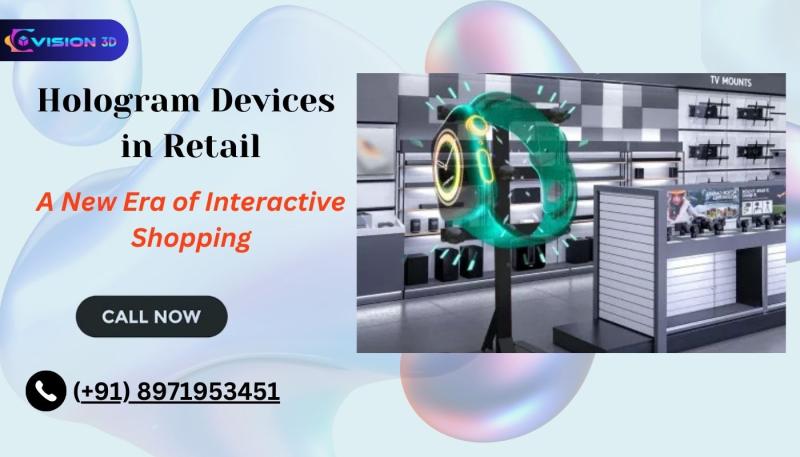
The retail industry is processing via a wonderful conversion, brought by the association of hologram technology. Such types of equipment restructure purchasing by combining imaginary and physical experiences, providing engaging customers and associative methods to interact with brands and items. It restructures the business future, generating experiences that move beyond conventional buying with a hologram device in Retail.
What is Holographic Retail?
Hologram Retail users fiber technique to produce 3D depictions that buyers can engage with physical spaces. Such holograms enable users to enjoy presentations, observe items and even customize products without the requirement for physical inventory. Combined with the metaverse developments with an online universe where consumers engage originally. A hologram rental converts retail with a sharing task into an experienced visit.
Market Growth and Potential
The worldwide hologram market is expected to approach $11.8 billion by 2030, with a compound annual development rate of 13.8% from 2023 to 2030. This advanced depicts imaginary and augmented reality formulas in Retail and other sectors. The metaverse market combined with hologram applications exceed $800 billion by 2028. Retailers browse these techniques to offer top-notch buying experiences.
Applications of Holographic Technology in Retail
A hologram explanation converts Retail in multiple inventive methods.
Product Visualization
Holograms enable consumers to watch explained three-dimensional demonstrations of items without needing physical inventory. Buyers can examine appliances or furniture that obtain a good understanding of texture, size and functionality.
Interactive Demonstrations
Retailers can utilize holograms to depict how items function like beauty devices or projecting kitchen appliances. Such engaging screens assist consumers in making informed buying decisions.
Personalized Shopping
An AI-driven hologram screen allows individual experiences by preferring items featured to personal priorities. Buyers can attempt clothing or observe products such as furniture in their houses before making a buying.
Immersive Storytelling
Brands can explain their history or depict product visits utilizing holograms. This storytelling reach generates emotional attachments with consuers and improves brand trust.
Gamified Shopping Experiences
Hologram allows modified buying experiences with metaverse and store. Treasure catches hologram tokens can interact yonder viewers while uncovering deductions or comprehensive products.
Real-World Examples
Retailers around multiple sectors incorporate hologram technology.
Virtual Fitting Rooms - Fashion brands such as Ralph associate AR dressing spaces whereas hologram takes it by depicting outfits to in-store consumers.
Enhanced Grocery Shopping - Supermarkets examine AI-driven imaginary supports mixed with holograms to prefer recipes or offer nutritional insights.
Product Customization - Agencies such as Nike utilize holograms for real-time product modification like sneakers that enable consumers to observe settlements before buying.
Benefits of Holographic Retail
The implementation of a hologram device provides significant benefits for Retailers.
Enhanced Customer Engagement - Engaging screens attract buyers and promote huge interaction moments.
Cost Efficiency - Decreasing physical inventory that decreases functional prices.
Sustainability - Imaginary depictions reduce waste from unsold inventory and packaging.
Global Reach - Holograms attach physical stores with imaginary worlds, stretching activation to worldwide viewers.
Challenges and Considerations
A hologram screen in retail encounters troubles instead of its capacity.
High Initial Investment - Establishing infrastructure needs important capital funds.
Technical Complexity - Smooth association with establishing systems needs modern technical expertise.
Consumer Adoption - Teaching buyers about the advantages of holograms that make takes time.
The Future of Holographic Retail
Fresh applications evolve with technological evolution.
Holographic Pop-Up Stores
Interim stores including holograms can substitute conventional prompts, price savings and provide versatility for retailers.
AI-Powered Holographic Assistants
Imaginary supports can suggest users via stores, replying queries and offering individual preferences in real-time.
Integration with IoT
A hologram screen can coordinate with the Internet of Things systems to provide original updates on inventory standards and consumer priorities.
Conclusion
A hologram explanation in Retail demonstrates a classical method towards the future of buying. This provides retailers with robust devices to improve experiences, distinguish their brands, and interact with consumers by combining imaginary and physical worlds. Retailers who hold this change with place themselves as leaders in the new commercial age with the evolution of user assumptions and technological advancements. To know more about holographic displays, get in touch with Vision3D customer care number - +91-8971953451.
Post Your Ad Here
Comments