Construction Debris Disposal: Finding a Dump Near Me Open for Efficient Cleanup
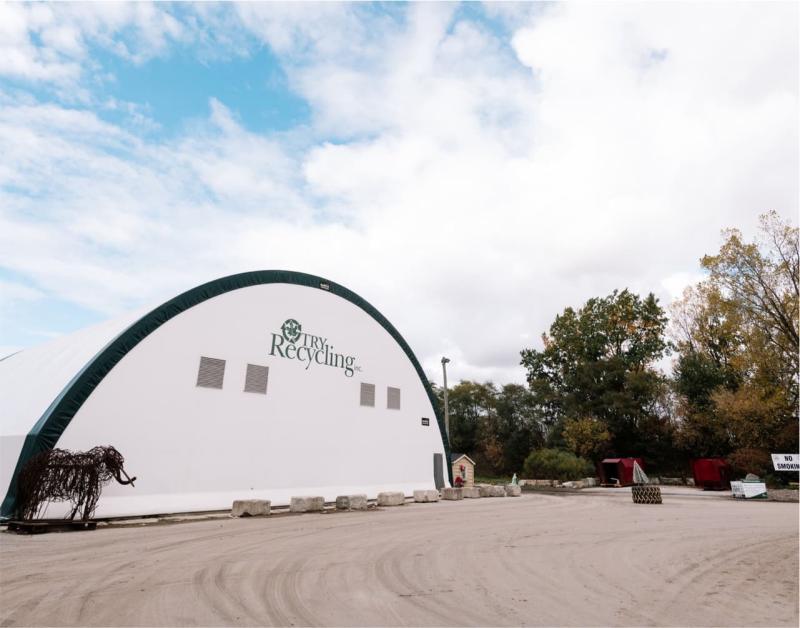
Construction projects generate significant
amounts of debris, requiring efficient disposal methods to maintain a clean and
safe work environment.Finding a reliable dump near one's location can expedite
the cleanup process and prevent costly delays.Understanding local regulations
and available services is crucial for homeowners and contractors alike.
Many areas offer dedicated construction debris disposal facilities, which are designed to handle everything from concrete to
scrap materials.By identifying the nearest options, individuals can save time
and resources, ensuring that waste is disposed of responsibly.Exploring these
local disposal sites not only simplifies project management but also complies
with environmental regulations.An informed choice can lead to better project
outcomes and contribute to sustainable practices within the community.
Construction Debris Disposal
Proper disposal of construction debris is
essential for maintaining a clean and safe environment. Understanding the types
of debris, the disposal methods, and environmental considerations plays a
crucial role in effective management.
Types of Construction Debris
Construction debris can be categorized into several types, including:
- Concrete and Masonry:
These materials often come from foundations, walls, and pavements. They
can be recycled into aggregates for new construction.
- Wood: Wood debris includes lumber, plywood,
and pallets. Depending on the condition, it can be repurposed or recycled.
- Metals: Metals from pipes and fixtures can be
recycled, benefiting the environment and the economy.
- Drywall: This can release chemicals if disposed
of improperly, necessitating careful handling.
- Hazardous Waste: This can include materials like paints,
solvents, and asbestos, requiring special precautions and disposal
methods.
Methods of Disposal
There are several methods for disposing of
construction debris:
- Landfill: This is the most common method, where
debris is taken to designated landfills. However, this may not be the most
environmentally friendly option.
- Recycling: Many materials, such as metals and
concrete, can be recycled. This reduces the volume of waste sent to
landfills and conserves natural resources.
- Reuse: Items like bricks, fixtures, and wood
can often be reused in new projects. This not only reduces waste but can
also save money.
- Donation: Salvaging materials from a site for
donation can benefit local charities and reduce disposal costs.
Environmental Considerations
Environmental factors must be considered
during disposal. Improper disposal of hazardous materials can lead to soil and
water contamination. Regulating agencies often mandate specific protocols for
hazardous waste.Recycling construction debris significantly reduces landfill
use, which is beneficial for both the environment and community health.
Additionally, using sustainable disposal
methods fosters responsible resource management. Many localities offer
incentives for recycling to encourage contractors and builders to adopt greener
practices.
Dump Sites
Finding a suitable dump site for construction
debris can streamline the disposal process. Knowing how to locate these sites
and understanding their rules is crucial for efficient management.
Locating a Dump Near You
To locate a dump site, start by searching
local government websites that list permitted disposal facilities. Many
municipalities provide maps and addresses of dump sites.Online resources like
Waste Directory or Earth911 can also assist in identifying nearby options.Google
Maps can be used to check distances and routes.It is advisable to contact the
dump site directly for specific requirements they may have for accepting
debris.
Operating Hours and Regulations
Dump sites operate under specific hours, which
can vary by location.Many facilities are open during regular business hours,
typically from 7 AM to 5 PM, Monday through Saturday.Some may have extended
hours, especially during peak disposal seasons.Regulations on what materials
can be disposed of often include restrictions on hazardous waste.Check whether
there are fees associated with disposal, and if a permit is required for larger
loads.Familiarizing oneself with these details can prevent delays and ensure
compliance with local laws.
Post Your Ad Here
Comments