321 Sec: Understanding Section 321 Entry Requirements
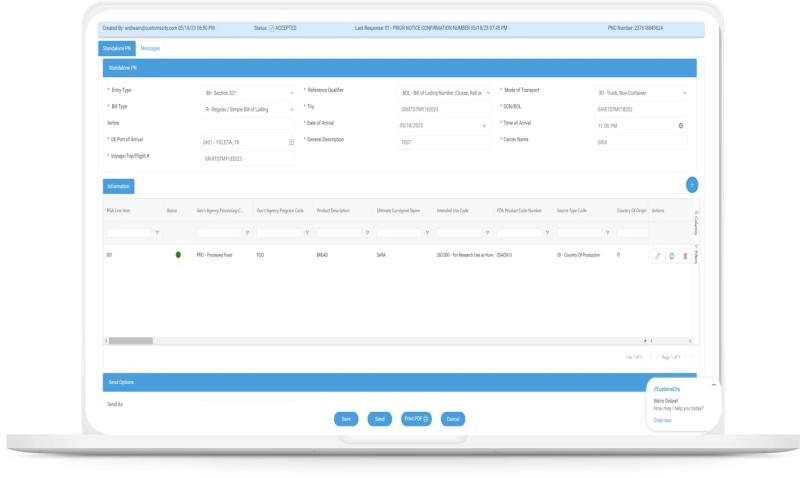
321 SEC refers to the U.S. Securities and Exchange Commission regulations that
outline the entry requirements for companies looking to raise capital through
securities offerings. To comply with these regulations, companies must provide
accurate financial information, disclose any risks associated with their
offerings, and meet specific qualifications outlined by the SEC.
Understanding these requirements is essential
for businesses seeking to navigate the complexities of fundraising in a legally
compliant manner.
The entry criteria can vary significantly
depending on the type of offering and the status of the company, whether it is
a startup or an established firm.
Companies must be prepared to submit detailed
documentation, including financial statements and legal disclosures, to
facilitate a smooth registration process.
Navigating SEC regulations may seem daunting,
but awareness of the specific entry requirements can empower companies to make
informed decisions.
For those interested in capital raising,
comprehending the essentials of 321 SEC is a crucial first step toward successful compliance and fundraising.
Overview of Section 321 Entry Requirements
Section 321 provides streamlined entry
requirements for certain imported goods. The focus is on eligibility, value
thresholds, and restrictions on specific items to facilitate compliance.
Eligibility Criteria
To qualify under Section 321, the shipment
must be imported by a single individual for personal use. The importer must be
a resident of the United States. Additionally, the goods must not be intended
for resale. Buyers must provide appropriate identification and must be
physically present in the U.S. when the goods arrive.
Shipments must not exceed a specific monetary
limit, computed by a combination of duties and administrative fees. Only
certain categories of items might qualify; therefore, verification is necessary
to ascertain an item’s eligibility.
Value Threshold
The value threshold for Section 321 shipments
is currently set at $800 per individual shipment. This limit encompasses all
items contained within a single package. If the value exceeds this amount,
standard customs procedures will apply.
Importers should note that this threshold
applies to goods arriving via any mode of transport, whether by air, sea, or
ground. Accurate valuation is crucial, as failure to comply may lead to
penalties or unprocessed shipments.
Prohibited and Restricted Items
Certain items are prohibited or restricted
under Section 321. Commonly restricted items include medication, firearms, and
hazardous materials. Importers are advised to consult the U.S. Customs and
Border Protection (CBP) website for specific conditions tied to these items.
Additionally, items like perishables or
endangered species are often subject to strict regulations. Importers must
ensure they are aware of any import permits required for restricted items to
avoid delays or fines.
Documentation and Compliance
Proper documentation is crucial for meeting
entry requirements under section 321. Compliance ensures that goods are
processed efficiently through Customs and Border Protection. This section
outlines the essential documents needed and the procedures to follow.
Required Documents for Entry
To comply with section 321, specific
documentation is needed. The primary documents include:
- Bill of Lading: This outlines the specifics of the
shipment.
- Commercial Invoice: It
details the items being shipped, including quantity and value.
- Entry Manifest: This lists all goods being imported.
For shipments valued under $800, these
documents must clearly state that the total value meets this criterion.
Additional documentation may be required for regulated items. Missing documents
can result in delays or rejections.
Customs and Border Protection Procedures
Customs and Border Protection (CBP) has set
procedures that must be followed. When goods arrive, they must be declared
accurately.
Key steps include:
- Entry Submission: The
required documents must be submitted through the CBP portal or in person.
- Inspection: Random inspections may be conducted,
requiring access to the goods.
- Payment of Fees: Applicable duties or fees must be paid
before goods are released.
Compliance with these procedures facilitates a
smooth entry process and helps avoid penalties.
Proper adherence to documentation and CBP
procedures is essential for expedited processing.

Post Your Ad Here
Comments