The role of chiropractic care as natural pain relief for musculoskeletal discomfort
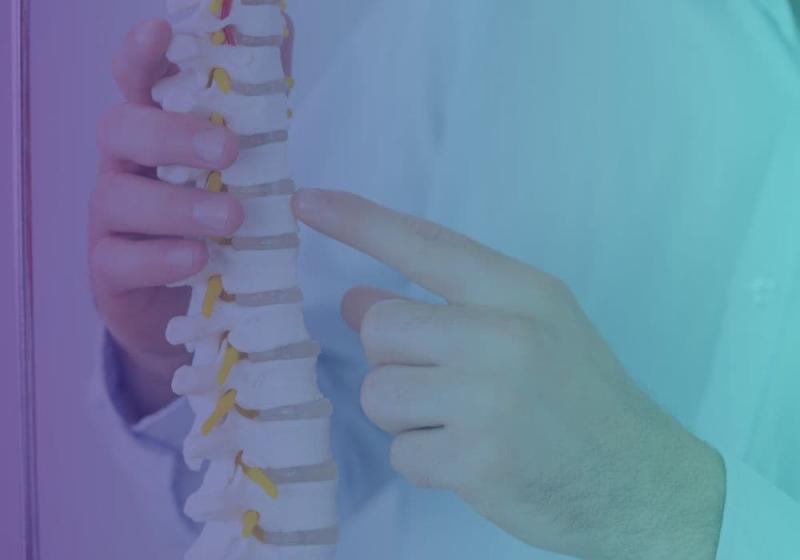
As a chiropractor, one of the most common reasons people visit my clinic is simple.
They’re in pain!
In fact, research indicates that low back and neck pain accounted for the highest healthcare spending in the United States in 2016, with an estimated $134.5 billion spent on treatment (The Journal of the American Medical Association).
Whether it’s persistent back pain, neck stiffness, joint discomfort, or headaches, the search for relief often leads people down a path of temporary fixes.
Many rely on medications to mask the symptoms, but what if there was a more natural way to address the root cause rather than just covering it up?
That’s where chiropractic care comes in.
Understanding pain as more than just a symptom
Our body communicates with us in many different ways.
Pain is one indicator that something is not right. This could be due to an injury, trauma, inflammation, poor posture, or even repetitive strain from daily activities.
Painkillers and anti-inflammatories may provide short-term relief; however, they do not address the root cause of the issue. It is very common to see a cycle where the pain continues to return because the underlying issue has not been effectively resolved.
Chiropractors view pain differently; rather than focusing on this one indicator, we aim to correct that root cause.
How chiropractic care provides natural pain relief
Chiropractic care focuses on the musculoskeletal and nervous systems, which are both connected to how the body experiences pain.
Let me break down how chiropractic care can help manage the discomfort of pain naturally.
Spinal adjustments for improved alignment
Spinal manipulation, also known as the chiropractic adjustment, is one of the main techniques of chiropractic care. This hands-on technique involves applying controlled force through a specific joint in the spine or limb that may not be moving properly.
When our joints are out of alignment, they can compress or put pressure on nerves, causing irritation and pain.
Adjustments may help with the following:
- Reduce nerve irritation
- Improve joint mobility
- Decrease muscle tension
- Promote improved posture
Many patients report immediate relief after an adjustment, along with improved movement around the joint as well as a sense of overall well-being.
Reducing muscle tension and inflammation
Tight and overworked muscles may contribute to chronic pain, with areas such as the low back, neck, and shoulders being the most prevalent. Chiropractors use a range of techniques to address this tension, such as soft tissue release, trigger point therapy, and stretching.
By addressing the joints and the surrounding muscles, chiropractic care provides a comprehensive approach to pain relief.
Supporting the nervous system
Our nervous system controls every function within the body, including the perception of pain.
When there is mechanical interference within the nervous system, from spinal misalignment or nerve compression, it can create heightened pain signals as the body detects something is not right.
Chiropractic adjustments aim to reduce this interference, allowing the nervous system to function more efficiently.
Common conditions chiropractic can help manage
Common conditions I see in the clinic that may cause this type of pain and discomfort include:
- Lower back pain
- Neck pain and stiffness
- Headaches and migraines
- Sciatica (nerve pain - find out more here)
- Joint pain in the shoulders, hips, knees and wrists
- Repetitive strain injuries
- Muscle tension and postural-related discomfort
While chiropractic care may provide significant relief for these conditions, we do always ensure we are working within our scope of practice.
If a presenting condition requires medical attention, I will refer you to the appropriate healthcare professional.
The benefits of choosing a natural approach
Below I explain some of the key benefits to choosing chiropractic care for natural relief of your pain:
- Drug-free. Chiropractic care does not rely on medications, meaning you can avoid the potential side effects of pharmacological options.
- Non-invasive. There are no surgeries or invasive procedures involved in chiropractic care; rather, gentle manual techniques are used.
- Identify the root cause. Rather than masking symptoms, we will aim to diagnose and correct the underlying cause of your pain.
- Holistic approach. As chiropractors, we consider the whole body and lifestyle factors when assessing our patients. Advice related to lifestyle, exercises, and ergonomics is provided as part of a long-term plan.
- Empowering care. Chiropractic isn't just about what happens within the clinic. Tools and strategies are provided to use at home that aim to prevent future occurrences of pain.
When to consider chiropractic care
If you feel that ongoing pain and discomfort are affecting your quality of life, chiropractic care might be the solution you’ve been looking for.
Chiropractic may be especially beneficial if you prefer a natural drug-free approach or have already tried other treatments without lasting relief.
If you want to get to the root cause of the pain and are ready to implement a long-term strategy to maintain health and mobility, reach out for more information.
Final thoughts…
Pain can be overwhelming, but it doesn’t have to affect you long-term.
I have seen countless patients find relief from their pain and frustration and restore their health and vitality.
If you are seeking a holistic approach to manage your pain, chiropractic care might be the next step on your journey to feeling better, moving more freely, and living your life to the fullest.
Key points:
- Pain is a symptom of underlying issues, such as injury, trauma, inflammation, poor posture, or repetitive strain.
- Chiropractors focus on correcting the root cause of pain, using chiropractic care to provide natural pain relief.
- Chiropractic care is drug-free, non-invasive, and holistic, considering the whole body and lifestyle factors.
Disclaimer: This article is created and published online for informational purposes only. It is not intended to be a substitute for professional medical advice and should not be relied on as health or personal advice.
Author: Dr. Matthew Alch (Chiropractor) has been practising with Sydney Spinal Care since late 2002. Matthew graduated from Macquarie University with a Bachelor of Chiropractic Science and a Masters of Chiropractic. He is a member of The Chiropractors Association of Australia and is registered with the Australian Health Practitioner Regulation Agency.
Post Your Ad Here
Comments