What Are the Potential Side Effects of PRP Hair Treatment?
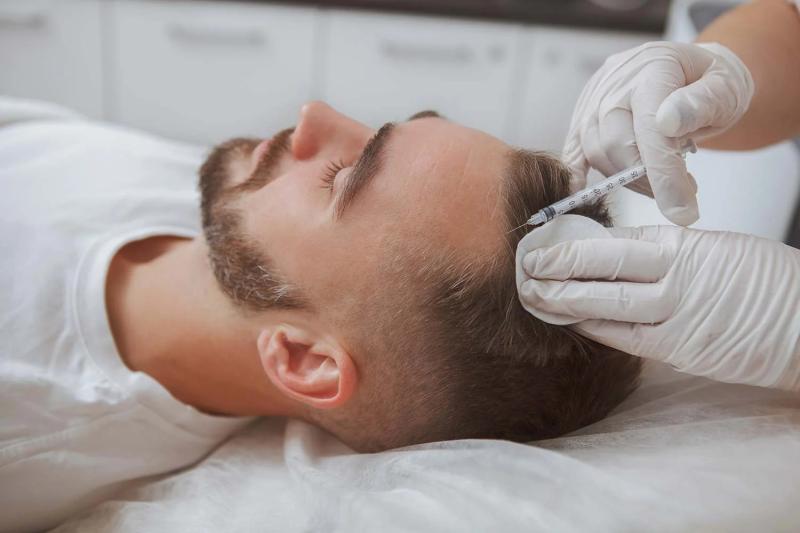
PRP hair treatment has gained attention as a non-surgical option for hair restoration, using the body’s own platelets to stimulate follicle activity. While the procedure is generally considered safe, some individuals may experience side effects. These effects can range from minor discomfort to rare but serious complications, depending on individual sensitivity and medical history. Many individuals undergoing PRP hair treatment Michigan services notice positive results, but it is important to understand the possible risks before starting treatment.
Common Minor Side Effects Observed
After PRP injections, some individuals may experience mild side effects that typically subside within a few days. Since the procedure involves drawing blood and injecting plasma into the scalp, temporary redness, swelling, and tenderness at the injection sites are common. These symptoms are a result of the body’s natural inflammatory response, which is necessary for tissue healing.
Mild headaches may occur due to increased circulation in the scalp following treatment. Some patients also report a slight tingling sensation, which is linked to nerve stimulation around the hair follicles. Light bruising at the injection sites can develop, particularly in those with sensitive skin or a tendency to bruise easily. These effects usually resolve on their own without requiring additional treatment.
Rare but Serious Complications Reported
Although rare, some individuals have experienced more serious complications after PRP hair treatment. One potential issue is excessive bleeding at the injection sites, which can occur if a patient has an underlying clotting disorder or is taking blood-thinning medications. In these cases, prolonged bleeding may require medical attention to prevent further complications.
Some individuals may develop scalp nodules, which are small lumps beneath the skin caused by an abnormal reaction to the injected plasma. These nodules can sometimes be tender and may take time to dissolve. Another rare but concerning complication is nerve damage if injections are administered too deeply or near sensitive areas of the scalp. Though uncommon, nerve irritation can lead to prolonged discomfort and should be monitored closely.
Allergic Reactions and Sensitivities
PRP therapy relies on the patient’s own blood, which reduces the likelihood of allergic reactions. However, some individuals may have sensitivities to materials used during the procedure, such as antiseptics, numbing agents, or equipment sterilization solutions.
Skin irritation or itching at the treatment site may indicate a mild reaction to a topical solution applied before or after injections. In very rare cases, patients may develop an immune system response, leading to prolonged inflammation or swelling. While true allergic reactions to PRP itself are unlikely, it is essential to disclose any known sensitivities to a medical professional before undergoing treatment.
Infection Risks at Injection Sites
Any procedure that involves injections carries a small risk of infection if proper hygiene is not maintained. PRP hair treatment is typically performed in a sterile environment to minimize this risk, but post-procedure infections can still occur if bacteria enter the injection sites.
Symptoms of infection include persistent redness, warmth, swelling, and pain at the treated areas. In more severe cases, pus formation or fever may develop, requiring antibiotic treatment. Individuals with a weakened immune system should take extra precautions, as they may be more susceptible to infections following the procedure.
Managing Post-Treatment Discomfort
Mild discomfort after PRP treatment is normal, but there are ways to manage it effectively. Applying a cold compress to the scalp can help reduce swelling and soothe irritation. It is advisable to avoid touching or massaging the treated area for at least 24 hours to prevent further irritation.
Over-the-counter pain relievers that do not thin the blood, such as acetaminophen, can be used to alleviate headaches or tenderness. Patients should refrain from strenuous physical activity immediately after treatment to allow the scalp to heal properly. Keeping the scalp clean and avoiding harsh hair products can also help minimize irritation and support a smooth recovery process.
Contraindications for Certain Individuals
Not everyone is a suitable candidate for PRP hair treatment, as certain medical conditions can increase the risk of complications. Individuals with blood disorders, chronic infections, or autoimmune diseases may not respond well to the treatment and could experience prolonged inflammation or delayed healing.
Those who take anticoagulants or have a history of excessive bleeding should discuss alternative options with their healthcare provider. Pregnant or breastfeeding individuals are generally advised to postpone PRP treatment due to limited research on its effects during pregnancy. A thorough medical consultation before treatment can help determine whether PRP is a safe choice based on individual health factors.
Conclusion
While PRP therapy is widely considered safe, understanding the potential side effects is important for anyone considering treatment. Most individuals experience only mild reactions, such as temporary redness, swelling, or slight discomfort at the injection sites. Serious complications are rare but can include excessive bleeding, nerve irritation, or infection if post-care guidelines are not followed. PRP hair treatment Michigan clinics prioritize patient safety by ensuring proper techniques and sterile conditions during the procedure. Those considering PRP should consult a qualified professional to assess their suitability and minimize any potential risks.
Post Your Ad Here
Comments