Does a Root Canal Hurt? The Truth About This Common Procedure
If
you've been told you need a root canal, your first thought might be: "Will
it hurt?" Root canals have a reputation for being painful, but in reality,
modern dentistry has made this procedure much more comfortable than most people
expect. In fact, a root canal is designed to relieve pain—not cause it.
In
this article, we’ll break down what a root canal is, what you can expect during
and after the procedure, and why it’s not as scary as it sounds.
What
Is a Root Canal?
A
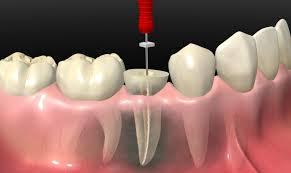
root canal is a dental
procedure that treats infection or damage inside the tooth. Inside each tooth
is soft tissue called the pulp, which contains nerves and blood vessels. When
this pulp becomes infected due to deep decay, cracks, or trauma, it can cause
severe pain and lead to serious complications if left untreated.
During
a root canal, a dentist or endodontist (a specialist in root canals) removes
the infected pulp, cleans the inside of the tooth, and seals it to prevent
further infection. A crown is usually placed on top to restore strength and
function.
Does
a Root Canal Hurt? Separating Fact from Fiction
1.
The Procedure Itself Is Painless
One
of the biggest misconceptions about root canals is that they are painful. In
reality, the procedure is performed under local an aesthesia, meaning your tooth
and surrounding area will be completely numb. You may feel some pressure or
movement, but you should not experience pain during the procedure.
2.
Root Canals Relieve Pain, Not Cause It
If
you need a root canal, chances are you’re already dealing with tooth pain
caused by infection or inflammation. The goal of a root canal is to remove the
source of that pain. Many patients actually feel relief once the infected
tissue is removed.
3.
Mild Discomfort After the Procedure Is Normal
Like
any dental
treatment, it’s normal to feel some soreness or sensitivity after a
root canal, especially in the first few days. This is due to inflammation in
the surrounding tissues and can be managed with over-the-counter pain relievers
like ibuprofen. However, this discomfort is temporary and far less intense than
the pain of an untreated infection.
4.
Modern Technology Makes Root Canals More Comfortable Than Ever
Advancements
in dental techniques, an aesthesia, and technology have made root canals more
efficient and comfortable. Many patients compare the experience to getting a
routine filling.
What
to Expect During and After a Root Canal
During
the Procedure:
- Numbing the
Area – Your dentist will administer a
local an aesthetic to ensure you don’t feel pain.
- Removing the
Infected Pulp – A small
opening is made in the tooth, and the infected pulp is carefully removed.
- Cleaning and
Sealing – The
inside of the tooth is cleaned, disinfected, and sealed to prevent further
infection.
- Placing a
Crown – In most cases, a dental crown
is placed over the tooth to restore its strength and function.
After
the Procedure:
- You may feel
mild soreness for a few days, but this should subside with pain relievers.
- Avoid
chewing hard foods on the treated tooth until your dentist gives the green
light.
- Maintain
good oral hygiene to prevent future dental issues.
When
to Contact Your Dentist
While
most people recover smoothly, you should contact your dentist if you
experience:
- Severe pain
that doesn’t improve
- Swelling
that worsens
- An uneven
bite or issues with the crown
These
could indicate complications that need further attention.
Final
Thoughts: No Need to Fear the Root Canal
The
idea of a root canal may sound intimidating, but modern dentistry has made it a
straightforward, pain-relieving procedure. If your dentist recommends one,
don’t delay—getting timely treatment can save your tooth and prevent further
discomfort.
Still nervous? Talk to your dentist about sedation options or any concerns you have. Remember, a root canal isn’t something to fear—it’s a step toward better oral health and pain relief!
For
More Click Here: - https://www.twitch.tv/dentalpinnacle/about
Post Your Ad Here
Comments