What are Automotive Gauges and Why are they Important?
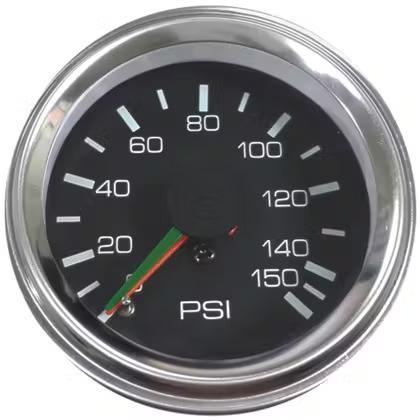
Automotive gauges are essential instruments found on a vehicle’s dashboard or installed as aftermarket additions. They provide real-time information about the car’s performance, condition, and critical systems. From monitoring engine temperature to tracking fuel levels, these gauges play a vital role in ensuring the vehicle operates safely and efficiently. In this article, we’ll explore what automotive gauges are, how they work, and why they are so important for both everyday drivers and automotive enthusiasts.
What Are Automotive Gauges?
Automotive gauges are devices designed to measure and display various parameters related to a vehicle’s operation. They are typically located on the dashboard, within easy view of the driver. Common examples include the speedometer, fuel gauge, temperature gauge, and tachometer. These gauges can be analog, with traditional dials and needles, or digital, featuring modern displays with numerical readouts.
In addition to factory-installed gauges, many drivers opt for aftermarket gauges to monitor additional metrics, such as oil pressure, turbo boost levels, or battery voltage. These aftermarket options are particularly popular among performance enthusiasts, off-road drivers, and those who want to keep a closer eye on their vehicle’s health.
How Do Automotive Gauges Work?
Automotive gauges rely on sensors and electrical systems to gather and display data. For example, the temperature gauge uses a sensor placed in the engine’s cooling system to measure coolant temperature. This information is then sent to the gauge, which translates it into a readable format for the driver. Similarly, the fuel gauge uses a sensor in the fuel tank to determine how much gasoline or diesel is remaining.
Modern vehicles often integrate these gauges into advanced digital dashboards or infotainment systems, providing more detailed and customizable information. However, the core function remains the same: to provide the driver with critical data about the vehicle’s performance and condition.
Why Are Automotive Gauges Important?
Automotive gauges are crucial for several reasons, all of which contribute to the safety, efficiency, and longevity of a vehicle.
1. Ensuring Safety
Gauges like the speedometer and temperature gauge help drivers maintain safe operating conditions. For instance, the speedometer ensures you stay within legal speed limits, while the temperature gauge alerts you to potential engine overheating, which could lead to breakdowns or severe damage.
2. Preventing Costly Repairs
By monitoring gauges such as the oil pressure or battery voltage, drivers can detect issues early before they escalate into major problems. Low oil pressure, for example, could indicate a leak or engine wear, while a dropping voltage reading might signal a failing alternator.
3. Enhancing Performance
For performance-oriented drivers, gauges like the tachometer (RPM gauge) and boost pressure gauge are indispensable. They provide real-time feedback on engine performance, helping drivers optimize their driving habits and avoid over-revving or overloading the engine.
4. Improving Fuel Efficiency
Gauges such as the fuel level indicator and instant fuel economy display help drivers manage their fuel consumption more effectively. By keeping an eye on these metrics, drivers can adopt habits that save fuel and reduce costs over time.
5. Supporting Off-Road and Heavy-Duty Applications
Off-road enthusiasts and commercial vehicle operators often rely on specialized gauges to monitor additional parameters like tire pressure, differential temperature, or transmission fluid levels. These gauges are critical for navigating challenging terrain or ensuring the reliability of heavy-duty vehicles.
The Future of Automotive Gauges
As vehicles become more advanced, so do their gauges. Modern cars are increasingly equipped with digital displays that integrate multiple gauges into a single, customizable interface. Electric and hybrid vehicles also feature unique gauges, such as battery charge level indicators and energy consumption monitors.
Looking ahead, the rise of autonomous vehicles and connected car technology may further transform how gauges are used. For example, augmented reality (AR) displays could project gauge information directly onto the windshield, providing drivers with even more intuitive access to critical data.
Conclusion
Automotive gauges are more than just dashboard decorations—they are vital tools that help drivers monitor their vehicle’s health, performance, and safety. Whether you’re a casual driver or a performance enthusiast, understanding and paying attention to these gauges can save you from costly repairs, improve your driving experience, and even extend the life of your vehicle. As technology continues to evolve, automotive gauges will remain an essential part of the driving experience, adapting to meet the needs of modern vehicles and their drivers.
Post Your Ad Here
Comments