How to Choose the Right Packaged Air Conditioner for Your Business
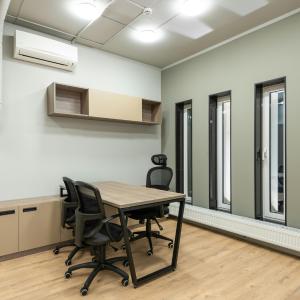
When it comes to maintaining a comfortable and efficient work environment, choosing the right packaged air conditioner is crucial. A properly sized and well-functioning HVAC packaged unit not only ensures optimal indoor temperature but also helps in reducing energy costs, improving air quality, and enhancing employee productivity.
With a variety of heating air conditioning units available, selecting the best system for your business can be challenging. This guide will walk you through the key factors to consider when choosing an AC and heating unit to ensure you make an informed decision.
What Is a Packaged Air Conditioner?
A packaged air conditioner is an all-in-one HVAC package unit that combines the essential components of a heating and cooling system into a single outdoor unit. Unlike split systems, which have separate indoor and outdoor components, package unit air conditioner are typically installed on rooftops or the ground outside a building.
Why Businesses Prefer Packaged Air Conditioners?
✔ Space-Saving Design – Ideal for commercial spaces with limited indoor space.
✔ Energy Efficiency – Many models come with high SEER ratings for reduced energy consumption.
✔ Easy Installation – Fewer components mean quicker and more cost-effective installation.
✔ Lower Maintenance Costs – With all parts in a single unit, servicing and repairs are simplified.
Now that you understand the basics, let’s explore how to choose the best air conditioning heating units for your business.
1. Determine the Right Size and Capacity
One of the most critical factors in selecting a HVAC packaged unit is ensuring it has the correct cooling and heating capacity for your space. The capacity of a package unit air conditioner is measured in tons (BTUs).
? Small Businesses & Offices – Typically require 3-5 ton units.
? Retail Stores & Restaurants – May need 5-10 ton units, depending on square footage and foot traffic.
? Large Commercial Buildings & Warehouses – Require 10+ ton units to maintain comfortable temperatures.
A professional HVAC contractor can perform a load calculation to determine the best unit size for your specific needs.
2. Consider Energy Efficiency Ratings
Energy efficiency plays a vital role in long-term cost savings. Look for units with:
- High SEER (Seasonal Energy Efficiency Ratio) Ratings – A higher SEER means better efficiency.
- ENERGY STAR Certification – Ensures the unit meets strict energy efficiency guidelines.
- Two-Stage or Variable Speed Compressors – Helps maintain stable indoor temperatures with minimal energy consumption.
An energy-efficient air conditioning heating unit will not only keep your business comfortable but also lower utility bills.
3. Choose Between Gas, Electric, or Hybrid Systems
Packaged HVAC systems come in different configurations based on fuel type:
✔ Electric Packaged Units – Use electricity for both cooling and heating, ideal for areas with mild winters.
✔ Gas/Electric Packaged Units – Combine electric cooling with gas-powered heating, perfect for colder climates.
✔ Hybrid Systems – Switch between gas and electric depending on outdoor temperatures, optimizing efficiency year-round.
Selecting the right fuel type depends on your location, energy costs, and business requirements.
4. Assess Air Quality Features
Your packaged air conditioner should also contribute to better indoor air quality. Look for features like:
? Advanced Filtration Systems – Removes allergens, dust, and pollutants.
? Dehumidification Capabilities – Helps prevent mold growth and maintain a comfortable humidity level.
? UV Light Purifiers – Eliminates bacteria and viruses for a healthier environment.
Businesses like hospitals, restaurants, and offices can benefit from enhanced air purification options in their heating air conditioning units.
5. Compare Installation & Maintenance Costs
The cost of an HVAC package unit includes:
- Upfront Cost – Varies by brand, size, and efficiency rating.
- Installation Expenses – Professional installation ensures optimal performance.
- Long-Term Maintenance Costs – Some models require more frequent servicing than others.
Investing in a high-quality unit may cost more initially but will save money in the long run with lower maintenance and energy costs.
6. Select a Reputable Brand and Supplier
When purchasing a package unit air conditioner, choosing a trusted brand and supplier is essential. Leading HVAC brands like Goodman, Rheem, and Trane offer reliable, energy-efficient models.
Additionally, partnering with an experienced supplier ensures:
✔ Access to high-quality units at competitive prices.
✔ Professional installation services.
✔ Reliable customer support and warranties.
Final Thoughts
Selecting the right packaged air conditioner for your business requires careful consideration of factors like size, energy efficiency, fuel type, air quality features, and installation costs. By choosing the right HVAC packaged unit, you can enhance comfort, reduce energy expenses, and create a healthier work environment.
Whether you need a heating air conditioning unit for a small office or a large commercial space, investing in a high-quality air conditioning heating unit will ensure long-term efficiency and performance.
Would you like assistance in selecting the best unit for your business? Feel free to explore our top-rated package unit air conditioners and get expert recommendations today!
Also Read : Comparing Gas vs. Electric HVAC Package Units: Which One is Better?
Post Your Ad Here
Comments