Effective GTM Strategy for Business Growth
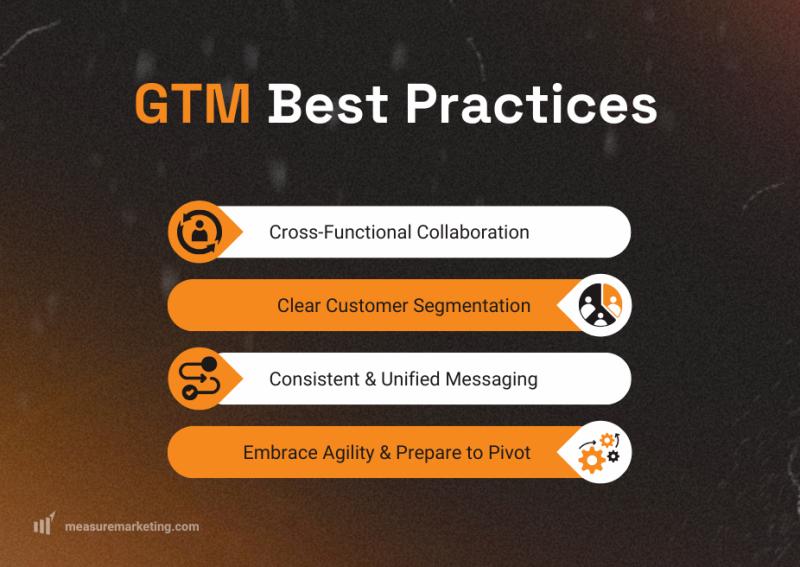
A successful Go-To-Market (GTM) strategy is crucial for any business that seeks to introduce a new product or service to the market. Without a well-thought-out GTM strategy, even the best products can fall short of expectations. A robust GTM plan ensures that businesses align their marketing efforts, sales processes, and product offerings to meet the demands of the target market.
At Measure Marketing Results Inc., we understand the importance of crafting a tailored GTM strategy that addresses specific business goals, customer pain points, and competitive landscapes. This blog delves into the essentials of creating a successful GTM strategy and how it can help you achieve measurable growth.
What is a GTM Strategy?
A Go-To-Market strategy is a comprehensive plan used by businesses to introduce a product to the market. The strategy outlines how a company will position, sell, and deliver its product to the target audience. The main objective of a GTM strategy is to ensure that a new product meets the needs of customers and outshines competitors in the marketplace.
A successful GTM strategy includes several components, such as identifying the target audience, understanding customer pain points, setting clear goals, determining the right marketing channels, and crafting a compelling value proposition. It’s essentially a roadmap that aligns all teams—product development, sales, and marketing—toward achieving common objectives.
Why Is a GTM Strategy Important?
A well-executed GTM strategy can have a significant impact on your business success. Here’s why it’s essential:
1. Helps You Define Your Market Fit
The GTM strategy helps you define your product’s fit within the market. It clarifies whether your product addresses a real need, and if there’s demand, it identifies how your solution can solve problems for your target audience.
2. Improves Product Positioning
A solid GTM strategy enables businesses to position their product effectively in the market. It involves researching customer preferences, competitor strategies, and market trends. With this data, businesses can carve out a unique space for their product.
3. Ensures Alignment Across Teams
A well-structured GTM strategy fosters alignment between different departments in your organization. Marketing, sales, product development, and customer support all need to work together to ensure a successful product launch.
4. Drives Customer Acquisition and Retention
The right GTM strategy not only helps in acquiring new customers but also plays a critical role in retaining them. By delivering value through your product and maintaining continuous engagement, businesses can nurture long-term customer relationships.
5. Mitigates Risks
A GTM strategy helps businesses avoid costly mistakes by identifying potential challenges, gaps in the market, and possible competitors. By anticipating these risks, businesses can take proactive steps to minimize them.
Key Components of a Successful GTM Strategy
Crafting a GTM strategy involves several key elements. Let’s break down the components of an effective GTM plan:
1. Market Research
The foundation of any GTM strategy lies in thorough market research. Understanding the target audience, their pain points, needs, and desires is crucial for developing a product that resonates with them. Additionally, competitor analysis helps you understand the strengths and weaknesses of other players in your niche, allowing you to differentiate your offering.
Tools like surveys, focus groups, social media analytics, and competitor analysis platforms can help gather valuable insights. This research forms the basis of your positioning and messaging.
2. Target Audience and Customer Segmentation
Not all customers are the same, and understanding who you are selling to is vital. Once you’ve completed your market research, segment your audience based on demographics, behavior, preferences, and pain points. This will help you tailor your messaging, campaigns, and offers to different segments of the market.
By creating detailed customer personas, you can identify the most relevant segments to target and ensure your marketing efforts are more effective.
3. Value Proposition
A clear and compelling value proposition is the core of your GTM strategy. Your value proposition should answer the question, “Why should customers choose your product over others?” It should outline the unique benefits that your product offers, focusing on how it solves a problem or improves the customer’s life.
Make sure your value proposition is concise, specific, and resonates with your target audience. A well-crafted value proposition can differentiate your product and create a lasting impact on potential customers.
4. Sales and Marketing Channels
Once you’ve identified your audience and crafted your messaging, the next step is to determine the most effective channels to reach them. Will you use paid advertising, organic search, social media, email marketing, or partnerships? The choice of channels will depend on where your target audience spends their time.
For example, if your audience is active on LinkedIn, leveraging LinkedIn Ads and organic outreach could be highly effective. Alternatively, if your target audience is engaged on Instagram or TikTok, visual storytelling and influencer partnerships may be more suitable.
The key is to select the channels that will most effectively engage your target audience and generate conversions.
5. Product Launch Plan
The product launch is a critical stage in the GTM strategy. A successful launch generates buzz, builds excitement, and drives initial sales. To execute a successful launch, develop a detailed timeline that includes pre-launch, launch, and post-launch activities.
Pre-launch activities might involve teasers, building an email list, creating landing pages, or launching a countdown. During the launch, make sure to highlight your product’s features, benefits, and unique selling points. Post-launch activities should focus on gathering customer feedback, resolving issues, and scaling marketing efforts to sustain momentum.
6. KPIs and Metrics
To evaluate the effectiveness of your GTM strategy, it’s essential to track key performance indicators (KPIs). These could include sales revenue, website traffic, customer acquisition cost (CAC), customer lifetime value (CLV), and engagement rates.
Tracking these metrics helps you measure the success of your GTM strategy and make necessary adjustments if things aren’t going as planned. It also enables you to optimize your strategy based on real-time data.
How to Measure the Success of Your GTM Strategy
Once your GTM strategy is in motion, it’s important to continuously monitor its performance. At Measure Marketing Results Inc., we use data-driven tools and methods to assess the success of a GTM strategy. Key metrics that you should track include:
- Conversion Rates: How many leads or visitors are turning into customers?
- Customer Retention Rates: Are customers returning or engaging after the initial purchase?
- Sales Growth: Are you seeing a steady increase in sales over time?
- Cost Per Acquisition (CPA): How much are you spending to acquire each new customer?
By closely monitoring these metrics, you can tweak your GTM strategy to improve results.
Conclusion
A successful GTM strategy can be a game-changer for businesses looking to scale their products and services. By understanding the needs of your target audience, positioning your product effectively, and choosing the right channels, you can significantly increase your chances of success. At Measure Marketing Results Inc., we specialize in helping businesses develop and execute GTM strategies that drive measurable growth.
If you’re ready to take your business to the next level, contact us today to create a customized GTM strategy that aligns with your goals and accelerates your market entry.

Post Your Ad Here
Comments