SMBs vs. Enterprises: Do They Need Different ERP Modules?
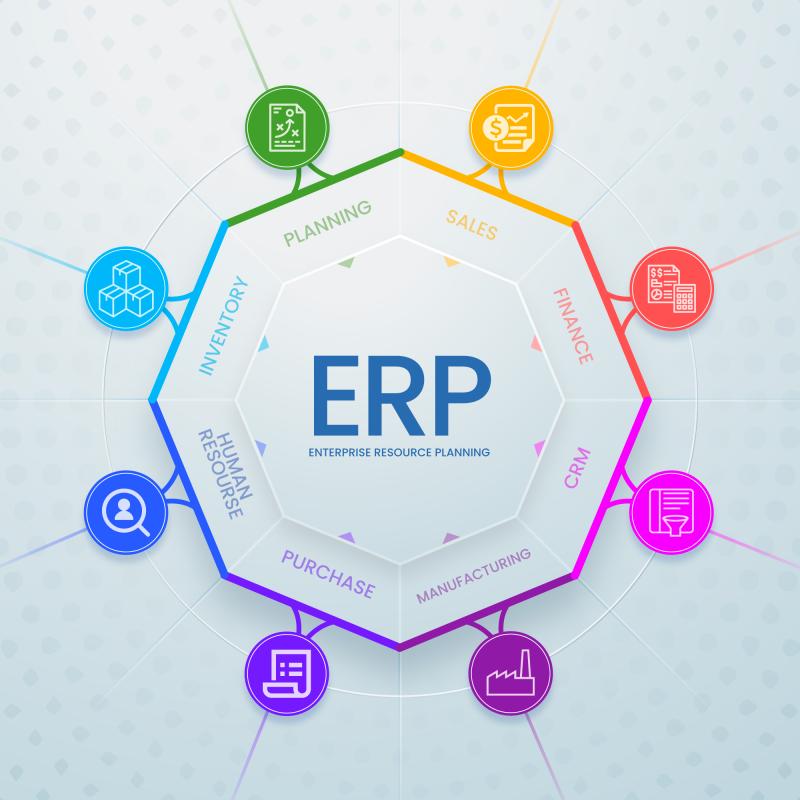
Enterprise Resource Planning (ERP) software has become essential for businesses of all sizes, enabling them to streamline operations, improve efficiency, and drive growth. In 2025, reports indicate that over 65% of SMBs and 90% of enterprises rely on ERP solutions to manage their business processes efficiently. However, the ERP needs of small and medium-sized businesses (SMBs) differ significantly from those of large enterprises. The key question is: Do SMBs and enterprises require different ERP modules?
Understanding ERP Modules
ERP software consists of various modules, each designed to manage a specific business function. Some of the most common ERP modules include:
- Finance and Accounting: Tracks financial transactions, budgeting, and reporting.
- Human Resource Management (HRM): Handles payroll, employee records, and recruitment.
- Customer Relationship Management (CRM): Manages customer data, sales, and marketing.
- Supply Chain Management (SCM): Optimizes procurement, inventory, and logistics.
- Manufacturing and Production Planning: Supports production workflows and resource allocation.
While SMBs and enterprises both use these modules, their scope, scalability, and customization requirements vary significantly.
ERP Needs for SMBs
SMBs often operate with limited resources and require an ERP solution that is cost-effective, easy to implement, and scalable as the business grows.
Key features SMBs look for in ERP modules include:
- Affordability: Cloud-based ERP solutions with subscription pricing are preferred.
- Ease of Use: A user-friendly interface that does not require extensive training.
- Scalability: Modular ERP systems that can expand as the business grows.
- Quick Implementation: SMBs need faster deployment to minimize downtime.
According to recent industry data, over 70% of SMBs prefer cloud-based ERP solutions due to their flexibility and lower upfront costs. Unlike enterprises, SMBs prioritize ERP modules that cover basic accounting, CRM, and inventory management rather than complex, multi-layered functionalities.
ERP Needs for Enterprises
Large enterprises operate on a much broader scale, handling high transaction volumes and complex business processes across multiple locations. The ERP requirements of enterprises include:
- Customization: Enterprises need highly configurable ERP modules tailored to industry-specific needs.
- Advanced Integrations: Integration with third-party tools, AI, and big data analytics is crucial.
- Security and Compliance: Data protection, regulatory compliance, and cybersecurity features are essential.
- Robust Reporting and Analytics: AI-driven insights help enterprises make data-driven decisions.
Enterprises require ERP modules that support global operations, multi-currency transactions, and industry-specific workflows. Studies show that over 80% of large enterprises invest in AI-powered ERP solutions to enhance automation and analytics.
Choosing the Right ERP Software Companies in India
With India emerging as a global technology hub, many ERP software companies in India offer solutions tailored to both SMBs and enterprises. Businesses looking for the right ERP provider should consider:
- Industry Experience: Choosing a company with domain expertise in relevant industries.
- Scalability Options: Ensuring the ERP system can grow with business needs.
- Customer Support: Reliable post-implementation support and training services.
- Integration Capabilities: Compatibility with existing business tools and technologies.
Conclusion
SMBs and enterprises have different ERP module requirements based on their operational complexity, budget, and scalability needs. While SMBs prioritize affordability and ease of use, enterprises demand advanced features, security, and customization. ERP software companies in India provide a range of solutions catering to businesses of all sizes, ensuring seamless digital transformation. Investing in the right ERP system can drive efficiency, improve decision-making, and position businesses for long-term success.
Post Your Ad Here
Comments