Understanding the Best Physical Therapies for Back Pain Relief
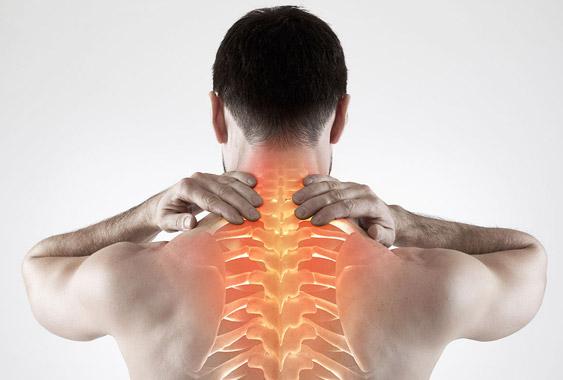
Back pain is one of the most common health issues affecting millions of people worldwide. Whether it’s due to poor posture, an injury, or a chronic condition, back pain can significantly impact your quality of life. Fortunately, there are effective physical therapies available for back pain treatment that can help to alleviate your discomfort, improve mobility, and prevent future issues. In this article, we’ll explore some of the best physical therapies for back pain treatment and how they can benefit you.
1. Heat and Cold Therapy
Heat
and cold therapy are simple yet effective methods for back pain treatment. These therapies can be used at home or in
conjunction with other physical therapies to provide relief.
● Heat Therapy: Applying heat to the affected area can relax your tight muscles, improve blood flow, and reduce stiffness. Heat therapy is particularly beneficial for chronic back pain relief.
● Cold Therapy: Cold packs can numb the area and reduce inflammation, to alleviate acute pain. Cold therapy is often recommended for recent injuries or flare-ups to prevent further swelling.
Your physical therapist can guide you on how to use heat and cold therapy safely and effectively as part of your treatment plan and heal faster.
2. Postural Training for Back Pain Treatment
Poor
posture is a leading cause of back pain, especially in today’s day to day
lifestyle. Postural training is a key component of back pain treatment that
focuses on correcting alignment and reducing strain on the spine. A physical
therapist may:
● Assess your posture and identify imbalances.
● Teach you proper sitting, standing, and lifting techniques.
●
Recommend
ergonomic adjustments to your workspace or daily activities.
By
improving your posture, you can reduce the stress on your spine and minimize
the risk of future back pain.
3. Manual Therapy for Back Pain Treatment
Manual
therapy is a hands-on approach often used by physical therapists to treat back
pain. This technique involves skilled movements of the joints and soft tissues
to reduce pain, improve flexibility, and restore function. Manual therapy can
include:
● Joint Mobilization: Gentle movements are applied to the spine to improve joint mobility and reduce stiffness.
●
Soft Tissue Mobilization: Techniques like massage or myofascial release
to relax tight muscles and improve blood flow.
Manual therapy is particularly effective for back pain treatment because it targets the root cause of the pain, whether it’s muscle tension, joint dysfunction, or nerve compression. It’s often combined with other therapies for optimal results.
4. Electrical Stimulation for Back Pain Treatment
Electrical
stimulation, also known as e-stim, is a non-invasive therapy that uses
electrical currents to reduce pain and promote healing. This technique is often
used in back pain treatment to:
● Stimulate the nerves and block pain signals.
● Strengthen weakened muscles.
● Improve blood circulation to the affected area.
● Increase flexibility and maintain the posture of our body.
Electrical stimulation is typically administered by a physical therapist and can be combined with other therapies for enhanced results.
5. Traction Therapy for Back Pain Treatment
Traction
therapy involves gently stretching the spine to relieve pressure on the discs
and nerves. This technique can be particularly helpful for conditions like
herniated discs or sciatica. Traction therapy can be performed manually by a
physical therapist or with specialized equipment.
By creating space between the vertebrae, traction therapy can reduce pain, improve mobility, and promote healing in the affected area.
6. Exercise Therapy for Back Pain Treatment
Exercise
is the best solution for all roots of disease and discomfort. Similarly in case
of Back Pain exercise work as therapy as it is a cornerstone of back pain
treatment. A tailored exercise program can strengthen the muscles supporting
the spine, improve posture, and enhance overall flexibility. Some common
exercises used in back pain treatment include:
● Core Strengthening Exercises: Strengthening the abdominal and lower back muscles can provide better support for the spine.
● Stretching Exercises: Stretching tight muscles, such as the hamstrings or hip flexors, can relieve tension and improve range of motion.
●
Aerobic Conditioning: Low-impact activities like walking or
swimming can promote healing and reduce pain.
A physical therapist will design a personalized exercise plan based on your specific condition and fitness level. Regular participation in exercise therapy can not only alleviate back pain but also prevent it from recurring.
7. Education and Lifestyle Modifications for Back Pain Treatment
Education is a vital part of back pain treatment. A physical therapist can provide valuable information on:
● Proper body mechanics to avoid strain.
● Lifestyle changes, such as weight management and stress reduction.
● Strategies to prevent future episodes of back pain.
● Daily life postural activities from sitting arrangement to dietary plans.
● Medications chart and list of good doctors or surgeons according to your cause of back pain.
Understanding how to care for your back and make healthy choices can empower you to take control of your pain and improve your overall well-being.
Conclusion
Back pain treatment doesn’t have to rely solely on medications or surgery. Physical therapies offer a safe, effective, and non-invasive way to manage and overcome back pain. From manual therapy and exercise programs to postural training and electrical stimulation, there are numerous options available to suit your specific needs.
If you’re struggling with back pain, consult a licensed physical therapist to develop a personalized back pain treatment plan. With the right approach, you can regain your mobility, reduce your pain, and enjoy a better quality of life. Remember, the key to successful back pain treatment lies in consistency, patience, and a commitment to your health. By staying proactive and following your therapist’s guidance, you can address the root causes of your pain, prevent future issues, and achieve long-term relief. Taking small, consistent steps today can lead to significant improvements in your overall well-being tomorrow.
Incorporating physical therapies into your routine can alleviate back pain and boost well-being. Simple exercises, stretches, and posture adjustments at home are effective and cost-free. By dedicating time to these methods, you empower yourself to manage pain and improve mobility. Start your journey toward a healthier lifestyle today!
Post Your Ad Here