Different Types of Tooth Restoration

Tooth restoration plays a crucial role in maintaining oral health, preserving functionality, and enhancing the appearance of teeth. Whether due to decay, damage, or cosmetic concerns, several restoration techniques can help restore a tooth’s structure and function. Here’s a comprehensive look at the different types of tooth restorations available today.
1. Dental Fillings
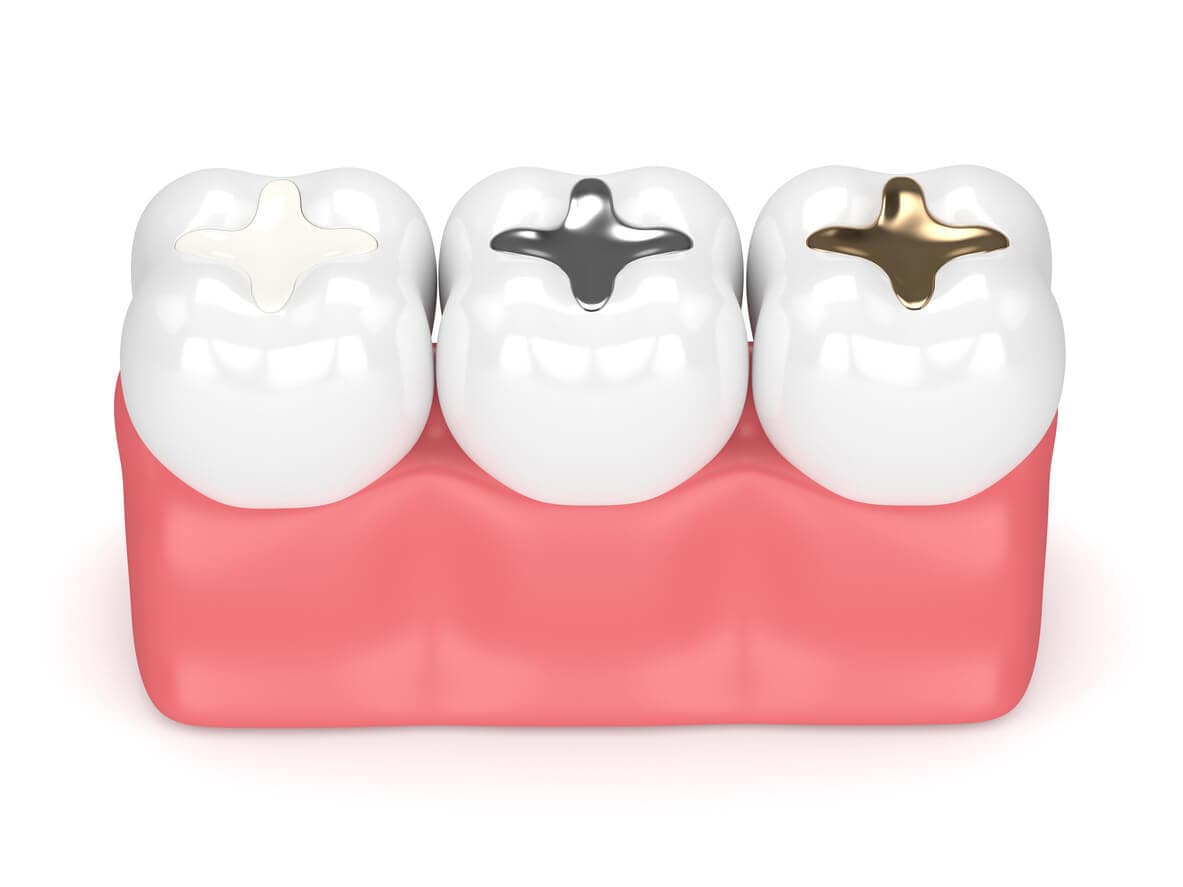
Dental fillings are the most common type of tooth restoration used to repair cavities caused by tooth decay. They are available in different materials, including:
Amalgam Fillings: Made from a mixture of metals, they are durable and cost-effective.
Composite Resin Fillings: Tooth-colored fillings that blend with natural teeth, offering a more aesthetic appeal.
Gold Fillings: Long-lasting but expensive, often used for patients who prefer durability.
Ceramic Fillings: Highly resistant to stains and provide a natural look, though they can be more brittle than metal fillings.
2. Dental Crowns
A dental crown, or cap, is placed over a damaged or weakened tooth to restore its shape, strength, and appearance. Crowns are made from various materials such as porcelain, metal, resin, or a combination. They are commonly used for:
Protecting weak teeth from breaking
Restoring broken or worn-down teeth
Covering large fillings when there isn’t enough natural tooth left
Improving the aesthetic appearance of teeth
3. Dental Bridges
Dental bridges are used to replace one or more missing teeth by anchoring artificial teeth to adjacent natural teeth or implants. Bridges help restore chewing function, maintain facial structure, and prevent teeth from shifting.
4. Dentures
Dentures are removable prosthetic devices that replace missing teeth and surrounding tissues. They come in two main types:
Complete Dentures: Used when all teeth are missing in either the upper or lower jaw.
Partial Dentures: Used when some natural teeth remain, helping fill in gaps and preventing teeth from shifting.
5. Dental Implants
Dental implants are a permanent tooth restoration option that involves surgically placing a titanium post into the jawbone, which acts as a root for a replacement tooth. They provide a natural look, high durability, and help maintain bone health by stimulating jawbone growth.
6. Inlays and Onlays
Inlays and onlays are indirect fillings used for restoring moderately decayed or damaged teeth. Unlike traditional fillings, they are custom-made in a dental lab and then bonded to the tooth.
Inlays: Fit within the grooves of a tooth’s chewing surface.
Onlays: Cover one or more cusps of a tooth, providing more extensive coverage.
7. Dental Bonding
Dental bonding is a cosmetic restoration technique that uses tooth-colored resin to repair minor chips, cracks, or gaps in teeth. It’s a quick and cost-effective solution but may not be as durable as crowns or veneers.
8. Veneers
Veneers are thin shells of porcelain or composite resin bonded to the front of teeth to improve their appearance. They are often used to correct discoloration, minor misalignment, or chipped teeth.
Conclusion
Tooth restoration procedures are essential for maintaining oral health and improving aesthetics. Depending on the extent of damage, budget, and personal preference, different options are available to restore teeth efficiently. Consulting a dentist is the best way to determine the most suitable restoration method for your specific dental needs.
Post Your Ad Here
Comments