Data Center CDO for Efficient Cooling and Energy Management
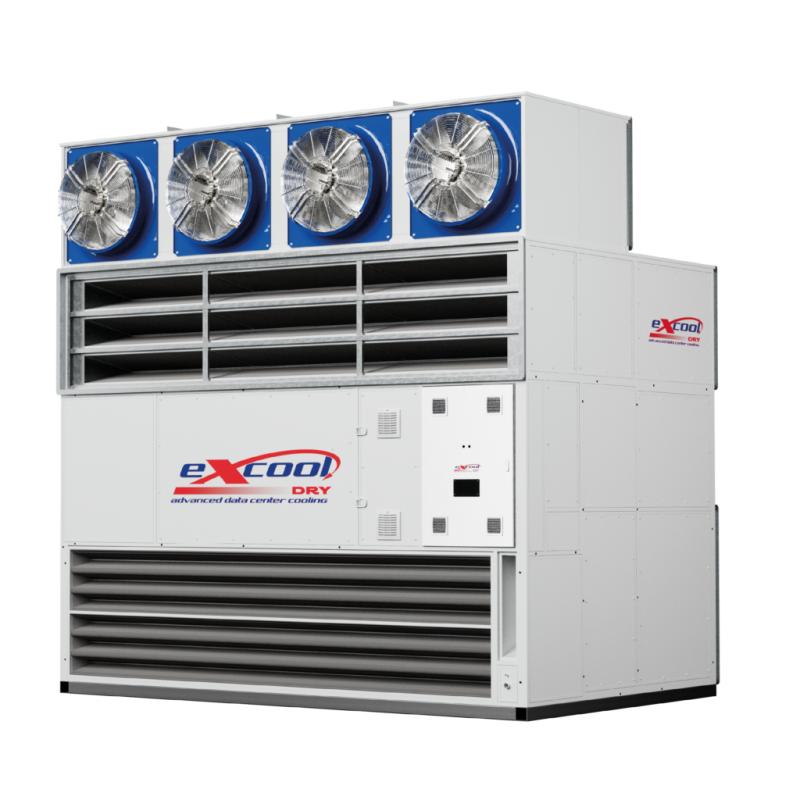
In the ever-evolving world of data
centers, one of the most critical aspects of maintaining optimal performance is
cooling. As data centers continue to expand and house more powerful computing
systems, the need for effective, energy-efficient cooling solutions becomes
even more important. Managing these cooling requirements has led to the rise of
innovative solutions such as the Data Center CDO (Cooling Distribution Unit),
a system designed to ensure efficient cooling while minimizing energy
consumption.
In this article, we’ll explore what
a Data Center CDO is, how it works, and why it’s crucial for the
long-term sustainability and efficiency of modern data centers.
What is a Data Center CDO?
A Data Center CDO (Cooling
Distribution Unit) is a sophisticated, energy-efficient system designed to
manage the heat generated by high-density computing equipment in data centers.
This unit plays a crucial role in ensuring that servers, storage devices, and
other IT infrastructure stay within the ideal operating temperature range. As
data centers house an increasing number of servers and more powerful hardware,
managing cooling effectively becomes increasingly challenging.
The main function of a CDO is to
manage the distribution of cooling resources (often through liquid or chilled
water cooling systems) to the servers and other equipment in the data center.
The CDO helps balance cooling requirements, ensuring that the necessary cooling
capacity is provided while minimizing energy use and operational costs.
The importance of cooling in a data
center cannot be overstated. Overheating can lead to reduced system
performance, hardware failure, and downtime. With the rising energy costs and
environmental concerns, data center operators need to implement cooling
solutions that are both effective and sustainable. This is where systems like
the Excool CDU come into play.
How Does a Data Center CDO Work?
The CDO serves as a centralized unit
that distributes cooling resources throughout the data center. It typically
integrates with water-cooled systems, which offer superior thermal conductivity
compared to air, making them ideal for high-density computing environments. The
cooling process involves the use of a closed-loop water system to absorb the
heat from servers and other hardware and then dissipate that heat into a heat
exchanger, where it is cooled before being recirculated.
Here’s how a typical Data Center
CDO operates:
- Heat Absorption:
As servers and computing equipment generate heat, the CDO pulls hot air
away from the equipment and directs it to a cooling medium, such as water
or a coolant fluid.
- Heat Transfer:
The water or coolant absorbs the heat from the equipment, traveling
through pipes or cooling coils that are strategically placed near the
servers.
- Heat Exchange:
The heated coolant is then transferred to a heat exchanger where the heat
is expelled into the atmosphere, typically using a chiller or cooling
tower.
- Cooling Distribution:
After the heat is removed, the cooled water or coolant is recirculated
back into the system, where it once again absorbs heat from the equipment.
This process continues, ensuring that the temperature within the data
center remains stable and within optimal limits.
This closed-loop process allows for
efficient cooling without the energy-intensive need for fans or air
conditioning systems, making the CDO one of the most energy-efficient ways to
manage heat in data centers.
Why Data Center Cooling is Crucial
The primary reason for investing in
advanced cooling systems, such as the Data Center CDO, is to ensure the
smooth operation of high-performance computing infrastructure. Without
sufficient cooling, a data center can face several serious issues, including:
1. Hardware Failure and Downtime
High temperatures can lead to
hardware failure, as computer components such as processors and memory chips
are designed to function within certain temperature ranges. Overheating can
result in damaged components, reduced lifespan, and unplanned downtime.
This downtime is not just an
inconvenience—it can result in lost productivity, financial losses, and a poor
customer experience, particularly for services that rely on 24/7 operations,
like cloud services or financial data processing.
2. Reduced System Performance
Overheating can cause servers to
throttle their performance in an attempt to cool down. This is known as thermal
throttling, and it can lead to significant drops in processing speeds. In
high-performance computing environments, such as those used for artificial
intelligence (AI), machine learning, and data analytics, even small drops in
processing power can have a major impact on productivity.
Maintaining optimal temperatures
through a CDO helps prevent thermal throttling, ensuring that systems operate
at peak performance levels.
3. Energy Consumption and
Operational Costs
Traditional air conditioning systems
consume a lot of energy, especially when trying to cool large, densely-packed
data centers. As the demand for computing power grows, so does the energy
required for cooling, leading to higher operational costs.
With global efforts to reduce energy
consumption and minimize carbon footprints, efficient cooling systems, such as
water-cooled CDOs, are becoming increasingly popular. These systems are
designed to use less energy, which translates into lower operational costs and
a reduced environmental impact.
4. Environmental Impact
As data centers continue to grow,
their environmental footprint becomes a growing concern. Water cooling systems,
especially those integrated with systems like the Excool CDU, are
designed to be more sustainable than traditional air cooling systems, reducing
the carbon footprint of the data center.
Efficient cooling systems can make a
significant difference in helping data centers meet regulatory requirements and
environmental goals. By using less energy and incorporating sustainable
practices, data centers can improve their environmental performance and
contribute to global sustainability initiatives.
Key Features of the Excool CDU for
Data Center Cooling
The Excool CDU (Cooling
Distribution Unit) is a cutting-edge solution designed to optimize cooling in
data centers. This system addresses the growing demand for high-density
computing environments while offering substantial improvements in energy
efficiency, sustainability, and cooling performance.
Some of the key features of the Excool
CDU include:
1. Energy Efficiency
The Excool CDU is designed to
minimize energy usage by utilizing advanced water cooling technology. By
circulating water through the system, it transfers heat more efficiently than
air, reducing the need for energy-intensive fans or air conditioning systems.
2. Scalability
As data centers continue to expand,
their cooling needs grow as well. The Excool CDU is highly scalable, allowing
it to adapt to changing cooling demands. Whether a data center is adding new
servers or expanding its infrastructure, the Excool CDU can be easily upgraded
to meet increased cooling requirements.
3. Space Efficiency
Data centers are often faced with
limited space, particularly in high-density environments where the number of
servers is constantly growing. The compact design of the Excool CDU makes it
ideal for tight spaces, enabling efficient cooling without the need for bulky
air-conditioning systems or oversized equipment.
4. Reliability
The Excool CDU is built with
reliability in mind. It uses durable materials and components designed to
operate continuously in demanding environments. This ensures that data centers
can maintain their cooling systems with minimal maintenance, preventing
downtime and ensuring that the cooling unit remains operational even under
heavy load.
5. Remote Monitoring and Control
With integrated monitoring
capabilities, the Excool CDU allows data center operators to track cooling
performance and identify any potential issues before they become serious
problems. This proactive approach helps to prevent unexpected failures and
ensures that the cooling system is always running efficiently.
Benefits of Implementing a Data
Center CDO
Implementing a Data Center CDO,
such as the Excool CDU, provides a host of benefits to data center operators.
Some of the key advantages include:
- Improved cooling efficiency: By optimizing the cooling process and utilizing water
instead of air, the system operates more efficiently, ensuring that heat
is removed effectively from high-performance computing equipment.
- Lower energy costs:
Water cooling systems consume less energy than traditional air
conditioning systems, reducing the operational costs of the data center.
- Enhanced sustainability: By reducing energy consumption and carbon emissions,
data centers can contribute to global sustainability goals and meet
regulatory requirements for energy use.
- Better system performance: With effective cooling, data center equipment runs at
optimal temperatures, preventing throttling and ensuring the continued
efficiency of computing operations.
- Scalability and flexibility: The CDO system can be easily scaled as data center
needs grow, making it a future-proof solution for maintaining
high-performance environments.
Conclusion
Efficient cooling is essential for
the operation of modern data centers, particularly those that host
high-performance computing equipment. A Data
Center CDO (Cooling Distribution Unit), such
as the Excool, offers an innovative solution to managing the heat
generated by dense server configurations while minimizing energy consumption
and improving sustainability.
By integrating advanced cooling
technologies, data centers can improve system performance, reduce operational
costs, and ensure that they continue to operate efficiently and sustainably in
the face of growing demand.
As the demand for high-performance computing continues to rise, the adoption of efficient and scalable cooling solutions will be crucial for data centers to stay competitive while meeting sustainability goals.

Post Your Ad Here
Comments