Why Silver is a Hedge Against Inflation
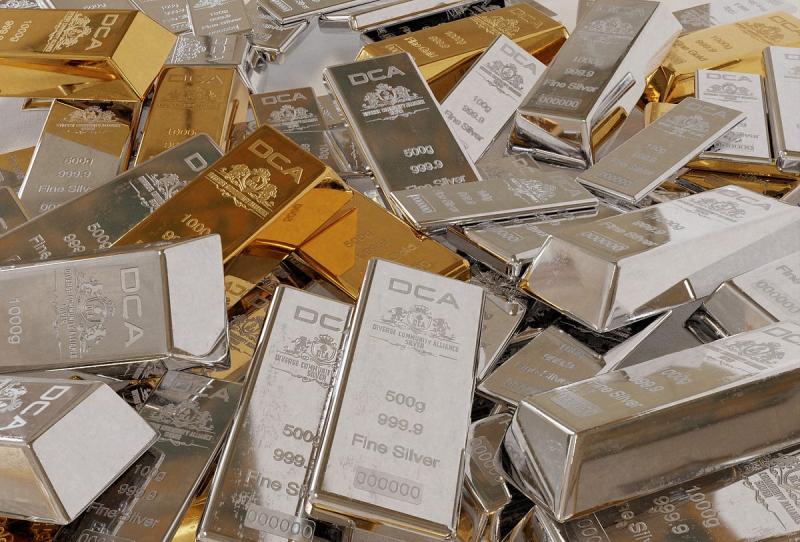
In times of economic uncertainty, investors look for assets that protect their wealth from inflation. Silver has long been considered a hedge against rising prices, offering stability when paper currencies lose value. Here’s why silver remains a strong inflation-resistant asset in 2025.
1. Tangible and Intrinsic Value
Unlike fiat currencies, which can be printed in unlimited amounts, silver is a finite resource. Its intrinsic value comes from both industrial demand and its historical role as a store of wealth. As inflation erodes purchasing power, silver retains its worth, making it a reliable hedge.
2. Industrial and Technological Demand
Silver isn’t just a precious metal—it’s also an industrial powerhouse. With applications in solar panels, electronics, and medical technologies, demand remains high. Even during economic downturns, industries continue to rely on silver, helping sustain its value.
3. Historically Holds Value During Inflation
Throughout history, silver prices have risen during inflationary periods. In the 1970s, for example, silver surged as inflation soared. When fiat currencies weaken, investors flock to hard assets like silver and gold, driving up their prices.
4. More Affordable Than Gold
While gold is the traditional inflation hedge, silver is more accessible to average investors. Its lower price allows people to accumulate wealth in smaller increments, making it an appealing option for those looking to protect their savings.
5. Limited Supply and Rising Demand
Mining challenges and increasing industrial use are tightening silver supply. As demand continues to rise, scarcity can drive up prices, making silver an even stronger hedge against inflation.
In 2025, with global economic uncertainty, silver remains a smart choice for those looking to preserve their purchasing power and diversify their portfolios.
Post Your Ad Here
Comments