From Automation to Innovation: The Impact of AI-ML Solutions on Business Operations
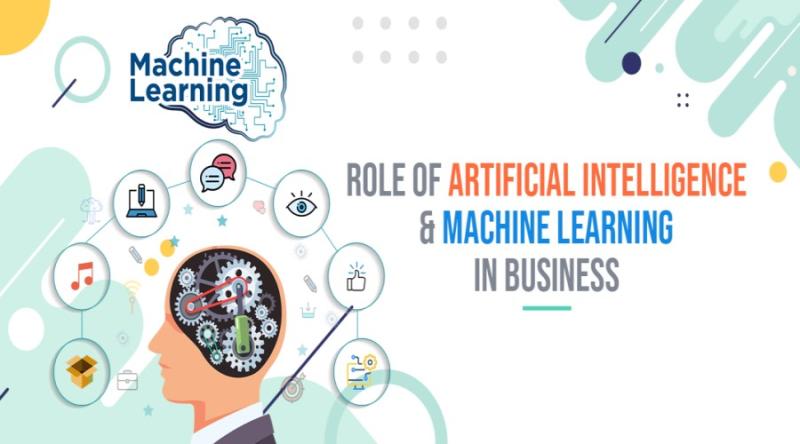
Today, when organizations are under constant pressure to optimize processes and slash operational expenses, artificial intelligence (AI) and machine learning (ML) have emerged as saviors. The impact of these technologies on how organizations operate is undeniably transformational. With their ability to automate mundane, formulaic tasks and swiftly analyze information, AI-ML solutions enable accurate, reliable outputs. Their integration into business processes bolsters productivity and frees the workforce to perform strategic, higher-value work that entails human creativity and adaptability. Not surprisingly, many tech leaders are optimistic about AI's value-creation potential and implementing the technology across a spectrum of use cases.
So, how is AI-ML being used across industries to achieve tangible improvements in operations? Let us find out.
1. Customer Service
AI-ML solutions are being used in customer service to deliver fast, personalized, and consistent support experiences. By embedding AI-ML algorithms in support operations, companies are able to fix issues quickly, reduce agent workload, and allocate resources more efficiently.
Businesses are deploying AI-powered bots to handle routine customer tickets and promptly resolve their issues. This way, they assist their support agents in managing large ticket volumes. Then there are AI-powered tools to guide agents through every step of a customer interaction. These tools suggest responses based on a customer’s specific needs and preferences. As a result, agents can tackle any issue with ease and boost their productivity.
AI-ML also helps improve service quality. AI-ML systems analyze customer interactions across all support channels to offer insights into how agents are performing and if there are any knowledge gaps that need to be bridged. By training agents in specific areas, businesses are able to improve their customer satisfaction levels and reduce churn.
2. Predictive Maintenance
Unanticipated downtime in manufacturing, utilities, or mining slows down or halts production and affects the bottom line. The usage of AI-based systems in these sectors helps proactively monitor the health of machinery, preventing costly outages. Through sensors installed in machines, companies gather vast amounts of equipment data, including temperature, pressure, and vibration levels. AI-ML models process this data in real time to generate reports on equipment health and performance. As a result, teams can predict failures with a high degree of accuracy and make preemptive repairs. They can also modify their maintenance schedules as required. AI-powered insights thus help limit operational disruptions, improve worker safety, and prolong equipment lifespan.
3. Customer Personalization
Today, when everyone expects tailored experiences, AI ML solutions are helping deliver hyper-personalized messaging and product/service recommendations to individual users. AI-ML algorithms analyze customers’ data points to spot patterns in their behavior and segment them into distinct categories. Based on this analysis, customers are recommended products and services that align with their demographics and interests.
For instance, an individual on an ecommerce site may be shown products users in a similar demographic have purchased or items related to what they are currently viewing. This increases the likelihood of a sale.
Likewise, AI-ML helps generate bespoke landing pages or tailored product displays based on users’ unique profiles. By delivering contextually appropriate information, businesses are able to engage users better, fostering loyalty.
4. Financial Reporting
Conventional financial reporting characterized by manual data entry and repetitive tasks, is resource-intensive and prone to human errors. The integration of AI-ML into reporting processes has created a profound impact in this area. AI-enabled automation assists with data entry and reconciliation, generation of financial statements, and account categorization while ensuring accuracy and consistency. This allows finance specialists to focus their attention on strategic work including in-depth financial analysis, forecasting, and decision-making.
AI-ML also helps with compliance adherence and risk management. AI-enabled systems monitor transactions in real time to ensure they comply with IFRS, GAAP, and other standards. This way, possible violations can be easily identified. Also, AI-based analysis helps with an accurate assessment of credit and market risks. This allows companies to provide precise risk disclosures in their annual reports and win investor trust.
5. Recruitment
There’s no denying that recruiting new candidates is a time-consuming exercise. In fact, HR professionals tend to spend countless hours on mundane activities such as sourcing candidates, shortlisting resumes, and scheduling interviews. AI-ML solutions speed up the recruitment process while boosting the quality of hires.
AI-ML tools dig through job portals and online databases to source the most appropriate candidates for a given role. As a result, the time spent searching for qualified talent is dramatically reduced. AI-based screening systems extract the most relevant information from resumes and job applications. This helps recruitment teams narrow down the candidate pool; they focus solely on individuals who truly fit a specific role.
Additionally, AI-based talent evaluation systems help companies comprehensively assess an individual's strengths, weaknesses, cultural fit, etc. By simplifying a cumbersome yet essential task, these systems enable recruiters to make more informed hiring decisions.
6. Supply Chain Management
Increased globalization has led to the creation of complex, interconnected supply chains that are often upended by market downturns, transportation delays, and weather events. To make these networks more resilient and efficient, companies are leveraging AI-ML solutions. AI-ML systems help manage and optimize workflows across every facet of a supply chain.
AI and machine learning solutions help optimize warehouse design. By analyzing the amount of goods transported through various aisles, AI-ML systems recommend floor layouts that ensure faster access to inventory. These systems also suggest routes through which stock can be moved faster, improving fulfillment rates.
AI-powered forecasting tools help with accurate demand assessment; this minimizes scenarios of understocking or overstocking and brings down inventory carrying costs. Besides, AI-enabled systems monitor storage facilities, assembly lines, and transport vehicles and pinpoint scenarios that jeopardize employee safety. In short, AI-ML technologies allow supply chains to operate more efficiently and cost-effectively.
Conclusion
Across industries, AI-ML is transforming business operations by enabling data-driven decision-making, automating repetitive tasks, and personalizing customer interactions. As the AI revolution continues to gather momentum, we are likely to see more advanced AI-ML solutions that’ll put organizations far ahead of their competitors.
Businesses that aim to tap into the full potential of AI-ML technologies should consider partnering with a trusted AI-ML services provider. The collaboration will not only help them realize quick wins but also prepare them for long-term growth.



Comments