Navigating Good Faith Exams in Telemedicine: Ensuring Fair and Ethical Virtual Healthcare Practices
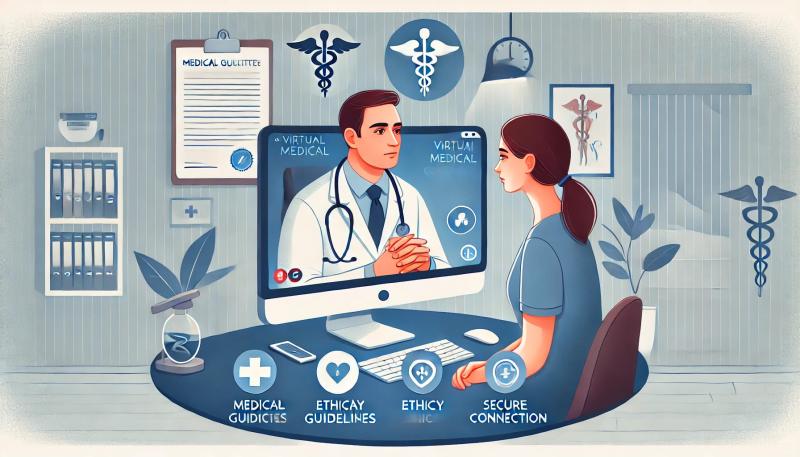
Telemedicine has significantly reshaped the healthcare landscape, offering patients a convenient way to access care remotely. However, as telemedicine grows, so does the responsibility of ensuring fair, ethical, and transparent healthcare practices. One crucial aspect of this responsibility is ensuring Good Faith Exams in Telemedicine—a process that guarantees both patients and healthcare providers are engaging in honest, transparent, and ethical interactions in the virtual space. Understanding the importance of Good Faith Exams and how to implement them is vital for maintaining the integrity of virtual healthcare.
What Are Good Faith Exams in Telemedicine?
Good Faith Exams in Telemedicine refer to the process in which healthcare providers conduct virtual examinations and consultations with the intent to provide thorough, competent, and honest care. This concept, while not always explicitly outlined in telemedicine laws, draws heavily from traditional in-person medical practices where doctors are required to perform exams with integrity, accuracy, and transparency. In telemedicine, the "good faith" aspect is especially critical since the healthcare provider and patient do not have physical contact, which may present challenges for accurate diagnoses.
The Good Faith Exam is central to ensuring that both the patient and the provider approach virtual healthcare with the same seriousness and ethical considerations as they would in a traditional in-person visit. This includes making sure the provider has adequate information to make informed medical decisions, and that patients are being treated fairly and ethically, with no undue pressure or misunderstanding.
Why Are Good Faith Exams in Telemedicine Important?
1. Ensuring Ethical and Transparent Care
The most significant challenge in telemedicine is maintaining the ethical standards expected of healthcare providers. In the absence of a physical examination, it’s easier for miscommunication to occur or for certain aspects of a patient’s health to be overlooked. Good Faith Exams in telemedicine ensure that providers are still delivering the highest level of care, relying on all available information—including virtual exams, patient history, and appropriate diagnostic tools—to make informed decisions.
This commitment to transparency and ethical practices is crucial in fostering trust between patients and providers. Patients need to feel confident that they are receiving the same level of care as they would in an in-person visit, and providers need to be assured that they are upholding their professional standards.
2. Complying with Legal and Regulatory Requirements
As telemedicine becomes more widely accepted, legal and regulatory frameworks around virtual healthcare have started to tighten. Laws such as the No Surprises Act and state-specific telemedicine regulations often require that telehealth services be conducted with the same standards as in-person visits. Good Faith Exams in Telemedicine help ensure that these legal requirements are met, reducing the risk of non-compliance.
For example, healthcare providers need to offer accurate billing and transparency about costs—principles that fall under the concept of Good Faith Exams. Missteps in these areas can lead to fines, malpractice claims, or even loss of licensure, making it imperative for telemedicine providers to adhere to these ethical and legal standards.
3. Building Patient Trust and Satisfaction
One of the primary concerns in telemedicine is patient satisfaction. Many individuals have concerns about receiving the same quality of care remotely as they would in person. By conducting Good Faith Exams, healthcare providers demonstrate their commitment to providing high-quality care, which can significantly enhance patient trust and satisfaction.
Good Faith Exams also help to alleviate any concerns patients might have about the accuracy of a diagnosis. When patients see that their providers are thoroughly assessing their symptoms, asking detailed questions, and being transparent about the limitations of virtual exams, they feel more comfortable and confident in the care they’re receiving.
4. Ensuring Patient Safety
Patient safety is the foundation of all medical practices, and telemedicine is no exception. Good Faith Exams help mitigate the risks of misdiagnosis or substandard care by ensuring providers conduct proper assessments. Virtual care, when done correctly, can be just as effective as in-person care, but it requires careful attention to detail.
For example, healthcare providers should ask the right questions, request necessary visual cues (e.g., skin rashes, physical movements), and leverage diagnostic tools that support a remote assessment. This approach ensures that patients receive a safe, accurate diagnosis that they can act upon.
Best Practices for Conducting Good Faith Exams in Telemedicine
To ensure that Good Faith Exams in Telemedicine are performed correctly, healthcare providers should adopt the following best practices:
Establish Clear Communication: Clear communication is key in any healthcare setting, but it’s especially critical in telemedicine. Providers should be transparent about the limitations of virtual exams and make sure patients understand the process. Detailed explanations about symptoms, concerns, and follow-up steps are necessary to establish a clear path to accurate diagnosis and treatment.
Use Appropriate Technology: It’s important to use high-quality video and audio technology that allows providers to see and hear their patients as clearly as possible. Video exams are often the best way to assess symptoms remotely, allowing healthcare providers to observe the patient's condition directly.
Thorough Medical History: In telemedicine, gathering a thorough medical history is even more important than in traditional in-person visits. Providers should ask specific questions about symptoms, lifestyle, and any relevant family history to better understand the patient's condition.
Leverage Remote Monitoring Tools: For conditions that require continuous monitoring, healthcare providers should use appropriate wearable devices or other technology that allows them to gather real-time data from patients. These devices provide vital information that can help make informed decisions in the absence of an in-person exam.
Follow Legal and Ethical Standards: Ensure that all virtual consultations follow the same legal and ethical standards as in-person visits. Providers should verify the patient's identity, maintain privacy and confidentiality, and adhere to all regulatory guidelines to prevent any potential violations.
Offer Follow-up Care: Since a virtual consultation may not always be sufficient to diagnose or treat certain conditions, providers should offer follow-up care. This could involve additional virtual consultations or arranging in-person visits if necessary to ensure the patient’s health is fully managed.
Conclusion
As telemedicine continues to expand and play a pivotal role in modern healthcare, ensuring Good Faith Exams in Telemedicine will be critical to maintaining trust, compliance, and patient safety. By adopting ethical practices, leveraging appropriate technology, and fostering transparency, healthcare providers can ensure that their virtual consultations remain as effective and thorough as in-person visits.
The future of healthcare lies in providing accessible, convenient care without compromising quality. By navigating Good Faith Exams in Telemedicine with integrity and diligence, providers can continue to offer ethical, high-quality care that puts the patient’s best interests first.
Post Your Ad Here
Comments