Breathing New Life Into Detroit’s Green Spaces: The Art of Tree Transplanting
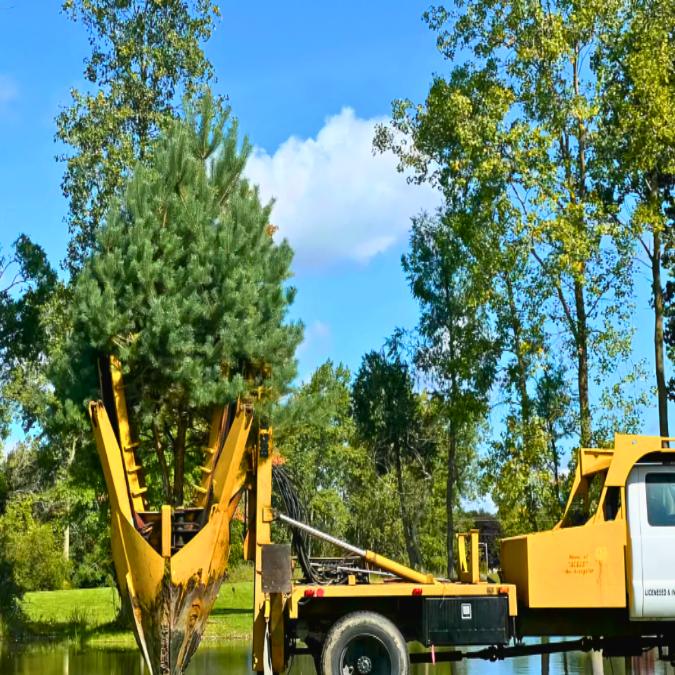
Detroit is a city known for resilience, reinvention, and revitalization. While urban renewal often brings images of new buildings and infrastructure, one of the most powerful transformations happens quietly in parks, yards, and city streets—through tree transplanting. This technique, when done right, allows mature trees to find new homes, preserving history, beauty, and ecological balance.
Why Tree Transplanting Matters in Detroit
Detroit’s urban landscape is evolving, and with that evolution comes the challenge of maintaining green spaces. Whether it’s due to development, landscaping redesigns, or conservation efforts, trees often need to be relocated rather than cut down. Tree transplanting in Detroit offers a sustainable solution, keeping the city’s natural beauty intact while accommodating necessary change.
Environmental Impact
Transplanting mature trees significantly benefits the environment. Instead of waiting decades for a sapling to grow, a relocated tree immediately contributes to air purification, carbon sequestration, and habitat preservation. In a city like Detroit, where air quality and urban heat islands are pressing concerns, mature trees play a crucial role in creating healthier living spaces.
Historical and Aesthetic Preservation
Detroit’s green spaces hold deep historical significance. From trees that have stood for centuries in old neighborhoods to those adorning iconic public parks, these living monuments deserve preservation. Tree transplanting ensures that history doesn’t disappear with development, allowing Detroit’s character to evolve without erasing its past. Deans Tree Transplanting
Cost-Effective Solution
Replacing mature trees with new plantings may seem like the easier route, but the long-term costs of maintenance, irrigation, and slow canopy development often outweigh the investment in transplanting. By relocating trees, homeowners, businesses, and municipalities save on replanting expenses while maintaining immediate shade and landscape maturity.
How Tree Transplanting Works
Tree transplanting isn’t as simple as digging up a tree and moving it to another location. It requires expertise, precision, and the right equipment to ensure survival and healthy growth post-relocation.
Step 1: Site Evaluation
Before transplanting a tree, experts assess both the current and future locations. Soil composition, drainage, sunlight exposure, and root health are analyzed to ensure a smooth transition.
Step 2: Root Preparation
Root pruning is often performed weeks or months in advance to help the tree adjust to its new, smaller root system. This process encourages the growth of fine feeder roots, increasing the tree’s chances of survival after relocation.
Step 3: Digging and Transport
Using specialized machinery, the tree is carefully excavated, ensuring minimal damage to its root ball. Once lifted, it is transported with caution, often supported by burlap and wooden crates to keep the roots intact.
Step 4: Replanting and Aftercare
Upon arrival at its new home, the tree is planted at the right depth with proper soil amendments. Immediate watering, mulching, and support systems like staking are essential to help the tree establish itself in the new environment.
Ideal Trees for Transplanting in Detroit
While nearly any tree can be transplanted with the right technique, certain species thrive better after relocation. In Detroit, some of the best candidates include:
Maple Trees – Known for their resilience and stunning autumn foliage.
Oak Trees – Strong, long-lived, and deeply rooted in Michigan’s natural landscape.
Elm Trees – Classic urban trees that provide excellent shade.
Evergreens (Pine, Spruce, Fir) – Great for year-round greenery and windbreaks.
Fruit Trees – Apple, cherry, and pear trees can be successfully transplanted, ensuring continued productivity.
Common Situations Where Tree Transplanting is Necessary
Urban Development Projects
Detroit’s ongoing resurgence means new buildings, roads, and commercial developments. Instead of removing trees entirely, transplanting allows them to be integrated into modern designs while maintaining green infrastructure.
Residential Landscaping Changes
Homeowners looking to redesign their yards or expand their property can benefit from tree transplanting. Moving a tree to a more suitable location preserves its value and beauty while accommodating new plans.
Historical Preservation Efforts
Many trees in Detroit are deeply tied to historic sites, churches, and institutions. Instead of losing these connections, transplanting ensures that future generations can still enjoy and appreciate these natural landmarks.
Storm Damage Recovery
Michigan’s unpredictable weather can wreak havoc on landscapes. Trees that have suffered partial damage may be saved through transplanting to a more stable environment where they can recover and thrive.
Ensuring Tree Health Post-Transplant
Transplanted trees need ongoing care to thrive in their new location. Proper watering schedules, nutrient support, and monitoring for transplant shock are critical in the first year. Regular inspections help detect signs of stress, allowing for timely interventions that promote long-term health.
Choosing the Right Professionals for Tree Transplanting in Detroit
Not all tree transplanting services are created equal. Working with experienced professionals who understand the local climate, soil conditions, and best transplanting practices is essential for success. Look for experts with a track record of preserving Detroit’s natural beauty while using advanced techniques for relocation.
Deans Tree Transplanting specializes in moving trees of all sizes, ensuring that Detroit’s landscape remains green and thriving despite urban development. Their expertise ensures that even the most delicate transplants have the best chance of survival.
Final Thoughts: A Greener Future for Detroit
Tree transplanting Detroit is more than just a landscaping service—it’s a way to honor the past, preserve the present, and build a more sustainable future. Whether it’s saving a beloved backyard tree or relocating a towering oak for a city park, transplanting plays a vital role in keeping Detroit lush and vibrant.
As the city continues to grow and change, investing in tree transplanting means investing in Detroit’s legacy—one tree at a time. Whether you’re a homeowner, developer, or environmentalist, considering tree transplanting can make a lasting impact on the city’s green future.
Post Your Ad Here