- Organizational behavior is one of the sub-disciplines of ABA (Applied Behavior Analysis) that focuses on understanding and studying workplace behaviors. This helps to foster growth, collaboration, and productivity.
- OBM has three crucial components, namely, behavior analysis, performance management, and system analysis.
- OBM in project management helps in enhancing team dynamics, motivation, and leadership, identifies gaps in coordination, and helps managers in implementing tailored strategies to achieve project success.
What is Organizational Behavior Management (OBM): What it is and Why It Matters?
Ever wondered what truly drives success in the workplace? It’s Organizational Behavior Management (OBM) which is all about understanding and shaping the behaviors that fuel collaboration, productivity, and growth. OBM combines psychology and change management strategies to curate environments where individuals and teams can thrive.
OBM is a game changer for project managers. It ensures clear communication, fosters trust among team members, and keeps motivation high. OBM is a practical tool for project management.
This article will deeply explore organizational behavior management (OBM), its importance, and how it plays a crucial role in project management.
Key Takeaways:
What is Organizational Behavior Management?
Organizational behavior management (OBM) is a sub-discipline of ABA (Applied Behavior Analysis). This discipline is built on the foundation of behavioral science which focuses on how people act, react, and interact in the workplace.
OBM attempts to understand the behavioral factors of an individual that drive success. Such factors can include: the individual’s performance and collective actions of the team. Also, various interventions are applied that enhance these behaviors to achieve organizational goals.
OBM originates heavily from the management theory which focuses on leadership, motivation, and performance. It’s not only about observing what people do; it’s also about influencing people to behave in a way that will drive success and uplift their morale.
This amalgamation of behavioral science and management principles sets OBM apart from other organizational approaches.
In the fundamentals of project management, OBM offers valuable insights that can help project managers to thrive. These insights align well with the theoretical foundations of organizational behavior.
Many of such insights are explored during the detailed preparation of PMP certification. Various concepts like motivation, leadership, and team dynamics are critical in the successful execution of a project, which is deeply connected with OBM principles.
Key Components of OBM
OBM is an approach with multiple aspects. This helps in enhancing workplace collaboration and performance through behavioral analysis.
OBM is built on several key components. Some of them are:
Behavior Analysis
This OBM component focuses on understanding how individuals and groups behave in organizational settings. This approach allows project managers to effectively identify behaviors that encourage productivity and drive better performance. Subsequently, it also helps to capture those behaviors that hinder an individual’s growth.
Performance Management
Performance management ensures that the individuals are not just meeting the expectations but exceeding them. In order to ensure better performance, project managers can set clear, measurable goals and provide timely feedback. This way organizations can foster an individual’s performance that is being evaluated constantly.
System Analysis
This component focuses on how different parts of the organization interact with each other. No part of an organization operates in isolation. This allows the leaders to look at the bigger picture and come up with initiatives that help in enhancing the overall efficiency of the organization.
Hence, these three components of OBM work hand-in-hand to create a cohesive environment. For project managers, obtaining a PMP certification can significantly enhance their ability to easily apply the OBM principles.
Why Does OBM Matters in Project Management?
Organizational behavior management is the secret element that often drives the success of the project. OBM’s core aspect is to understand and study human behavior in the organizational setting. However the question here arises as to how OBM can play a significant role in project management.
The answer lies in its direct connection with leadership, team performance, and motivation.
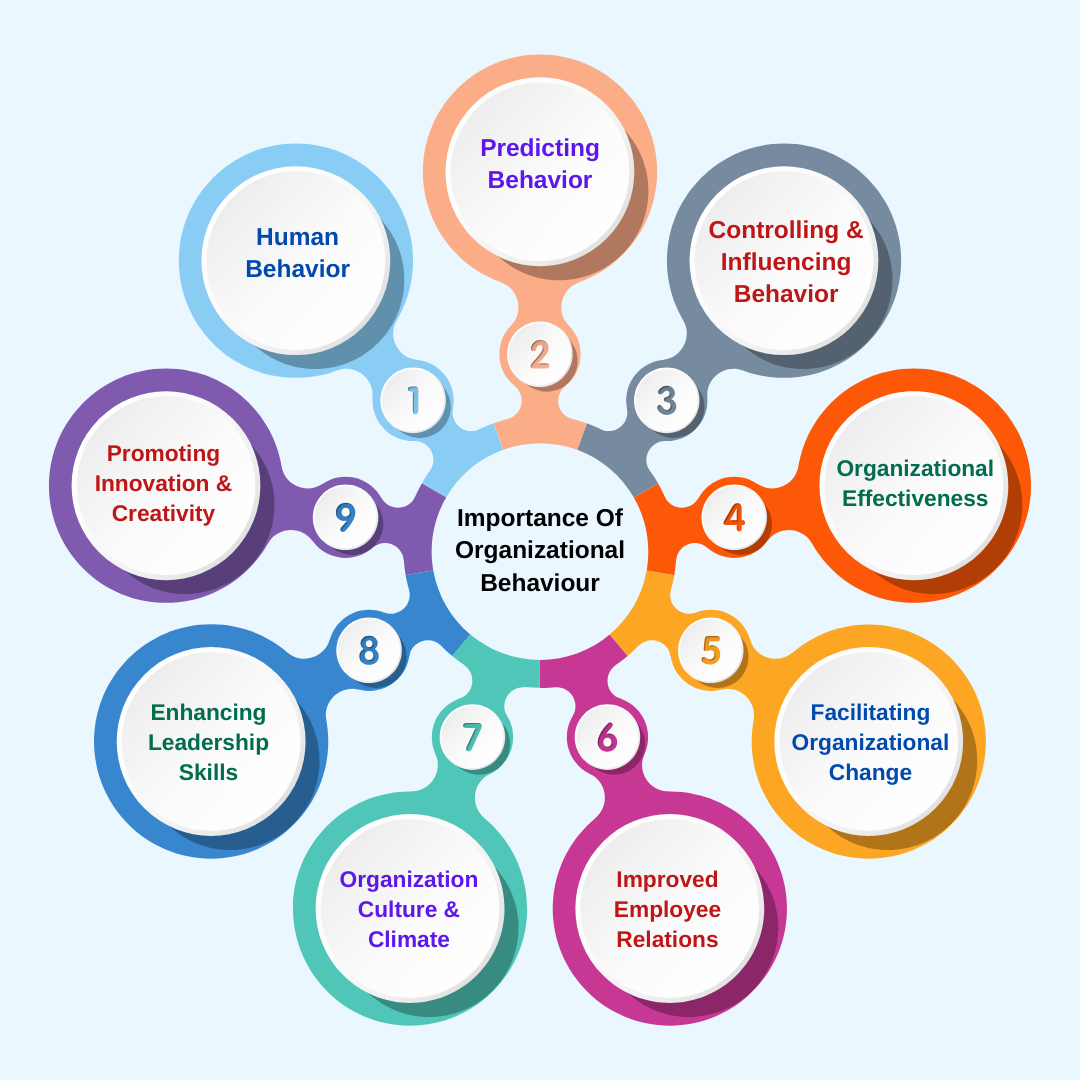
In project management, a team is everything that doesn’t just happen; it’s built from scratch. Here, OBM provides a detailed framework to understand the nuances of team dynamics.
A survey conducted by Gallup shows that highly engaged teams show 21% greater profitability and are 17% more productive as compared to the teams that are low in engagement. Even, the organizations also benefit from strong team engagement.

Imagine a team that is struggling to meet deadlines, and there is a lack of coordination. With proper usage of OBM principles, a project manager can easily identify the loopholes, pinpoint the areas where a team needs to focus more, and implement behavior-focused solutions.
Some of this can include, redefining goals, and enhancing communication, setting clear expectations amongst the team members.
The result? Improved cohesion and the increased likelihood of meeting deadlines.
Motivation is the lifeline of any project, but it’s not a solution that will fit all. OBM identifies this and helps the project managers with tailored approaches that will drive the success of the project.
A study shows that approximately 70% of employees perform the best when they are motivated. OBM helps managers tap into the intrinsic factors (like appreciation and recognition) where team members are not just working but succeeding in their tasks.
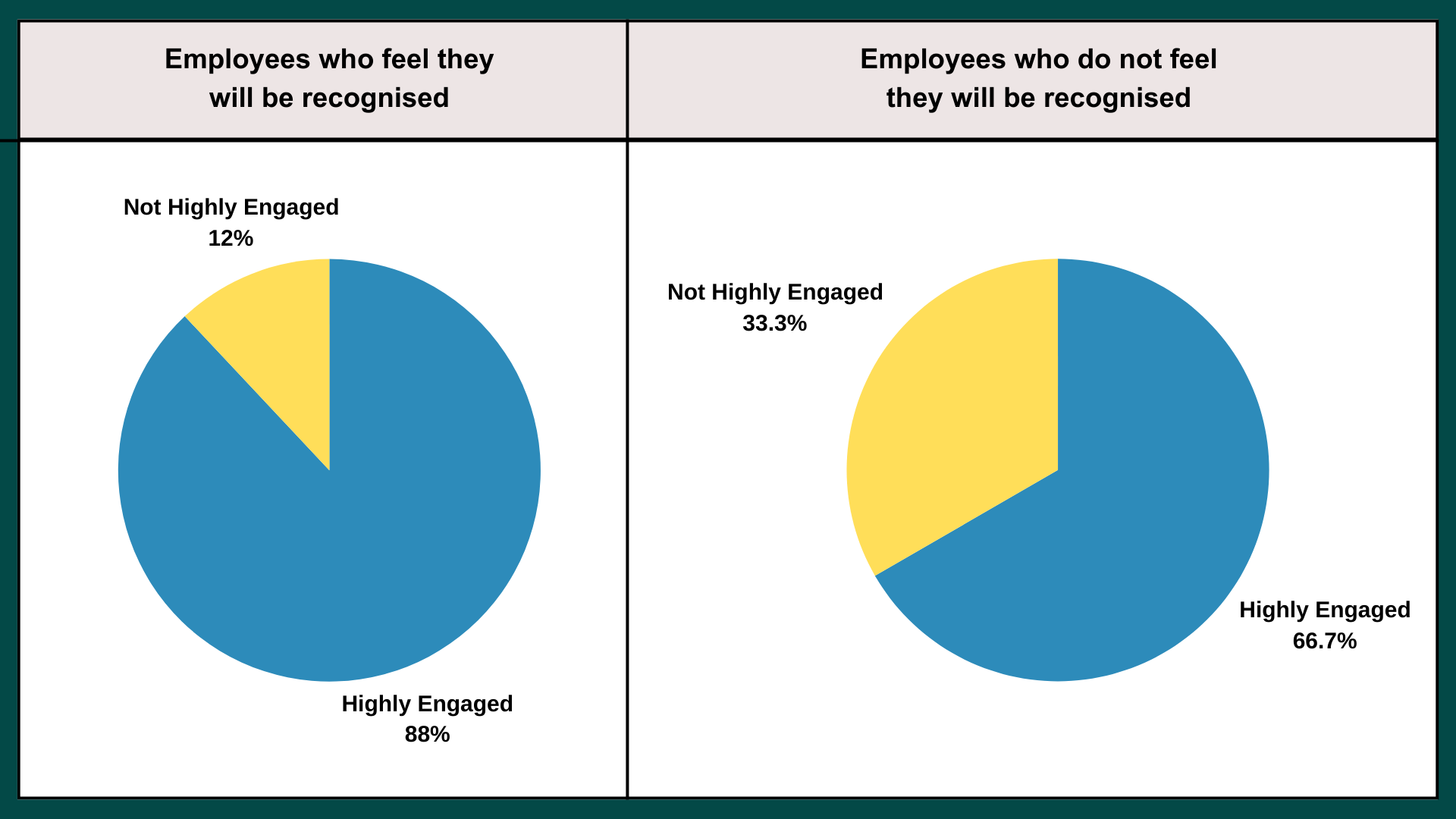
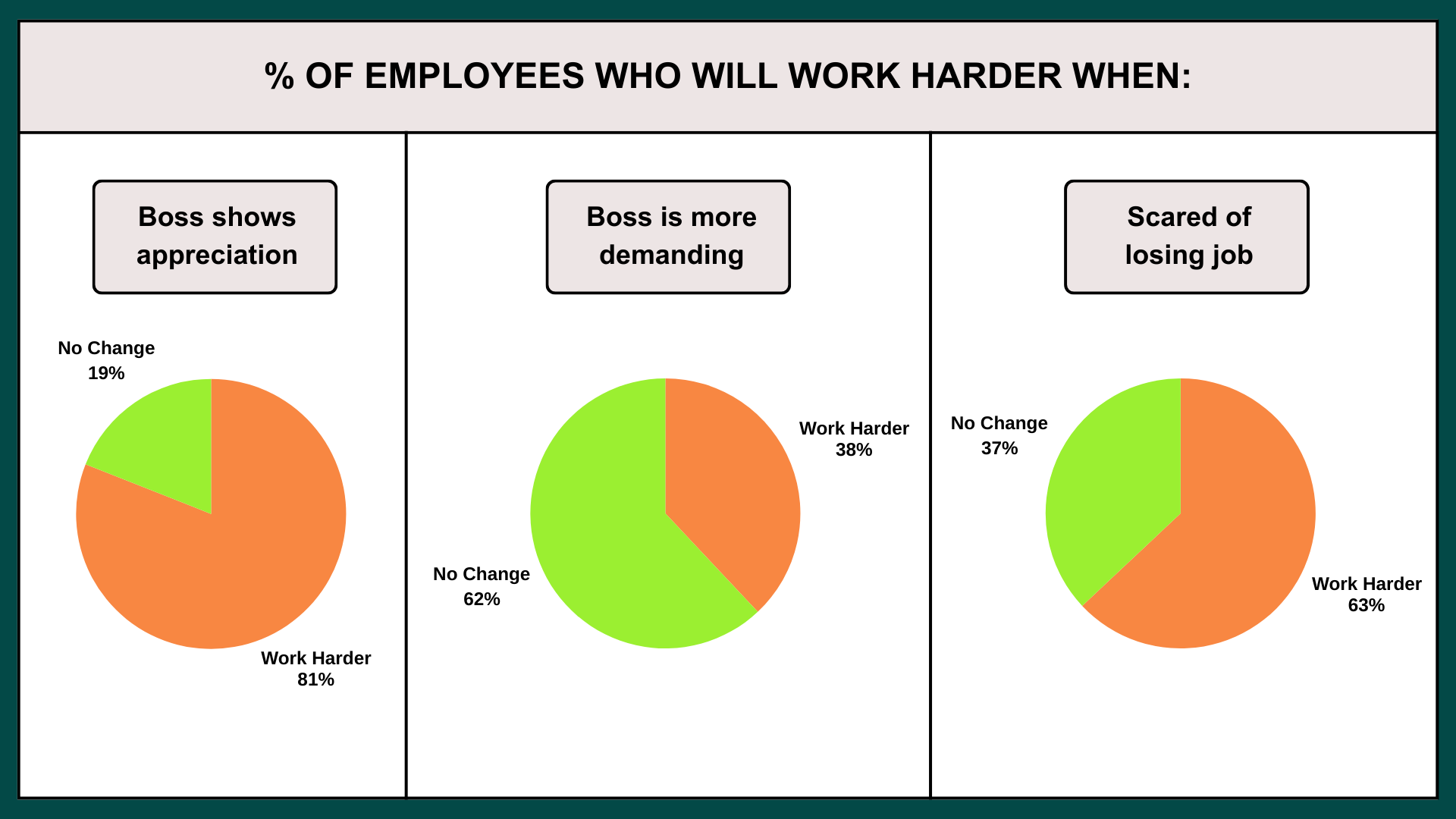
Hence, OBM plays a very important role in project management. A project manager can effectively utilize the OBM principles to drive the project towards its success.
How OBM Aligns with PMP Principles?
Organizational behavior management is all about aligning behaviors with organizational goals. By carefully studying the OBM principles, project managers can easily enhance their ability to lead and manage teams, engage with stakeholders, and create tailored approaches for the success of the project.
By tailoring project management strategies, project managers can effectively cater to meet the specific needs of the project and its environment. OBM helps in offering behavioral insights that help in customizing the approach.
For example, in a culturally diverse team tailoring or customizing is not just about helping the individuals adjust to the workflows.
It’s also about identifying cultural differences in communication, addressing them and thereby helping people to become accustomed to those differences. This can be done in a way that doesn’t feel like a difference anymore.
With OBM principles, a manager can also follow some strategies like: implementing culturally sensitive feedback mechanisms and ensuring inclusivity while also keeping in mind the factor of efficiency.
Another crucial factor of successful project management is leadership styles and principles. OBM can assist the leaders in focusing on behavior-driven strategies like reinforcement and shaping. Project managers can follow positive reinforcement techniques to boost the morale of the team members. A recent report by Gallup shows that employees who receive regular recognition are 4.6 times more likely to feel engaged.

Behavioral feedback, reinforcement and shaping, and stakeholder mapping are some of the OBM principles that can play a key role in PMP.
The concept of OBM is also beneficial for those aspiring to be project managers. These principles can help individuals in their PMP exam preparation by gaining a better understanding of performance management, project management, leadership, team management, and behavior analysis.
Explore related blogs on PMP exam success, or project management tools. These resources can help the aspirants master these skills not only theoretically but also by gaining a deeper insight into the real-world application.
Organizational Behavior Management Examples
Let’s talk about how organizational behavior management shows up in the real world. It might sound like a complex concept, but if observed carefully then it’s all around us.
Enhancing Employee performance to Foster growth
Imagine a tech manager in a busy firm, and his team is struggling to meet deadlines. So, instead of jumping into the blame game mode, the manager must address the issues causing such behavior. Some of the factors can include that the team is struggling with clarity of the work to be done or isn’t getting timely feedback.
By inculcating a system of regular check-ins, setting clear goals, and offering feedback, things can be turned around. By this, the team not only meets the deadlines timely but also evolves into a confident and efficient one.
Boosting team morale with recognition
A little appreciation and recognition can go a long way, as it helps in boosting the morale of the team. Assume a store manager notices a cashier who is consistently going above and beyond to meet customers’s requirements. By using OBM principles, the manager can appreciate the cashier publicly which will further motivate him to continue his great performance.
Enhancing communication in a Diverse team
Imagine a multinational firm where miscommunication is causing frustration. With OBM principles, managers can easily identify the root cause by closely observing the communication patterns. Deep analysis can be done by asking questions such as, are there cultural barriers? Is there any lack of clarity about the roles and responsibilities? By addressing these issues, either through culturally inclusive training or implementing a more structured communication system, the team can enhance collaboration.
These examples illustrate how OBM isn’t only a theoretical concept. It is present everywhere and in fact, can be of great use, if applied effectively. In the end, it’s all about creating an environment for people where they can thrive.
Conclusion
Organizational behavior management (OBM) is a key concept of applied behavior analysis. OBM is interconnected with behavioral analysis and project management skills. It’s used to understand and study an individual’s behavior in an organizational setting. By gaining a deeper insight into their behavior, a project manager can easily tailor strategies that can help in the successful execution of the project. Reinforcement and shaping, behavioral feedback, and stakeholder mapping are some of the strategies that can be used in PMP.
OBM not only helps in the management of a project but also assists the individuals preparing for the PMP exam. This concept helps in gaining a deeper insight into concepts like leadership, performance management, team handling, and motivation.
Register now to attain PMP certification from the best institutes!
1 people like it

Advertise on APSense
This advertising space is available.
Post Your Ad Here
Post Your Ad Here
Comments