How AI is Strengthening Disaster Resilience and Risk Management
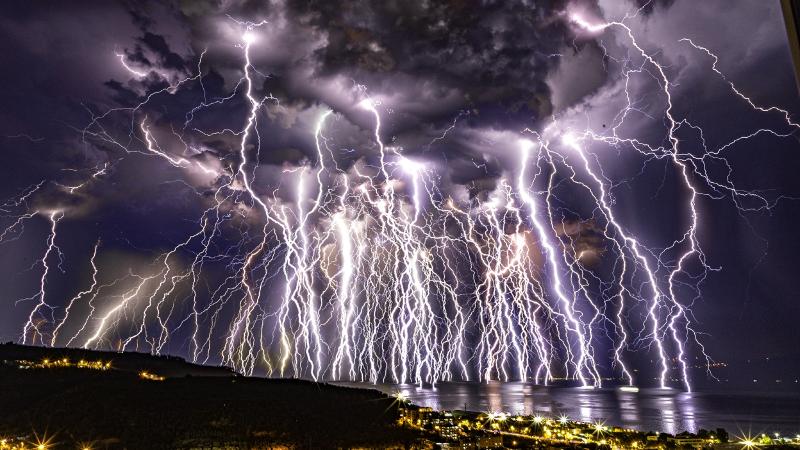
Disasters, both natural and human-made, are becoming more frequent and severe, causing widespread destruction and economic loss. From hurricanes and wildfires to earthquakes and lightning storms, the ability to accurately predict and mitigate these threats is more important than ever. Traditional forecasting methods, while useful, often struggle to provide real-time insights. Artificial intelligence (AI) is revolutionizing disaster resilience, improving risk management strategies, and enhancing emergency preparedness worldwide.
AI in Early Disaster Detection
AI-driven models are transforming how we predict and prepare for natural disasters. By analyzing vast amounts of data from satellites, sensors, and historical records, AI can detect early warning signs with remarkable accuracy. This allows emergency responders and governments to take proactive measures before a disaster occurs.
Key AI Applications in Early Disaster Detection:
Hurricane & Storm Forecasting – AI models track atmospheric pressure, wind speeds, and temperature variations to improve hurricane trajectory predictions.
Wildfire Risk Assessment – AI processes satellite imagery and environmental data to identify high-risk fire zones before ignition occurs.
Seismic Activity Analysis – AI monitors minor tremors and geological shifts to detect patterns that may indicate an upcoming earthquake.
Flood Prediction – AI integrates real-time rainfall, river level, and soil saturation data to predict potential flooding areas.
AI in Disaster Response & Emergency Planning
Beyond detection, AI plays a crucial role in disaster response coordination by optimizing emergency strategies and resource allocation.
Automated Emergency Alerts – AI-driven systems send instant alerts to communities and emergency responders when disaster risks escalate.
AI-Powered Drones – Autonomous drones assess damage, locate survivors, and deliver critical supplies to affected areas.
Optimized Evacuation Planning – AI models simulate different disaster scenarios to help authorities design safer evacuation routes.
Predictive Resource Deployment – AI forecasts where emergency aid will be needed most, ensuring a faster and more effective response.
AI and Lightning Risk Management
Lightning storms pose significant risks to infrastructure, power grids, and aviation. SkyTree Scientific uses AI-based analytics to provide real-time lightning risk assessments, allowing industries and governments to implement preventive measures before severe weather strikes.
By leveraging AI for lightning forecasting, skytreescientific.ai helps mitigate damages caused by extreme weather conditions, enhancing overall safety and disaster resilience.
The Future of AI in Disaster Resilience
As AI continues to advance, its role in disaster preparedness and climate adaptation will expand. Future developments include:
AI-Enhanced Smart Infrastructure – AI-powered systems that adjust and reinforce buildings and energy grids before disaster strikes.
Autonomous Rescue Robots – AI-driven robots capable of conducting search-and-rescue operations in dangerous environments.
AI-Driven Climate Risk Simulations – Advanced AI models that predict long-term climate risks and guide sustainability efforts.
AI is redefining disaster resilience, emergency response, and risk mitigation, helping communities and industries prepare for extreme events. By utilizing machine learning, predictive analytics, and real-time weather forecasting, AI-driven platforms like SkyTree Scientific are shaping a safer and more resilient future. As technology evolves, AI will remain an essential tool in protecting lives, infrastructure, and the global economy from disaster-related threats.

Comments