The Secrets to Mastering NLP: Tools for Personal and Professional Growth
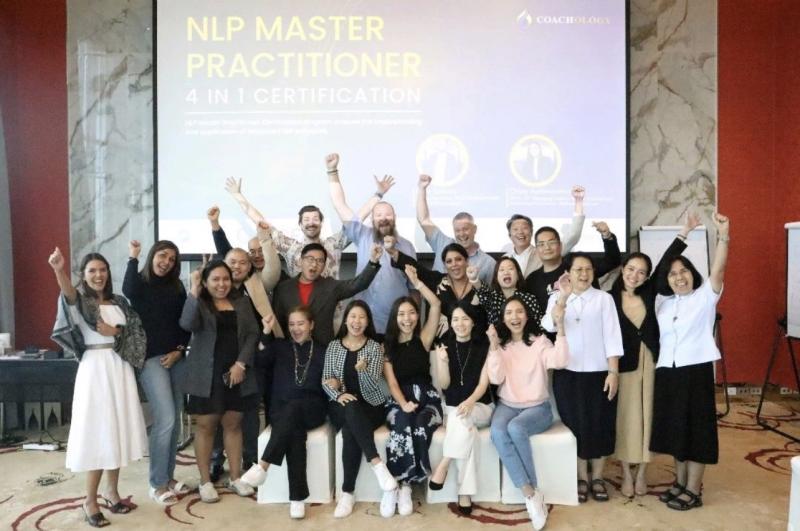
Imagine having the ability to understand what drives people, communicate with clarity, and unlock patterns of thinking that hold the key to success. This is the power & techniques of Neuro-Linguistic Programming (NLP)—a skill set that blends psychology, communication, and behavioral science to create lasting change. Whether you’re aiming to grow your career, build stronger relationships, or gain deeper self-awareness, becoming an NLP Master Practitioner offers a roadmap to growth. Let’s explore the tools, training, and mindset shifts that can help you master this transformative discipline.
What Does It Mean to Be an NLP Master Practitioner?
An NLP Master Practitioner isn’t just someone who knows techniques—they’re a strategist, a communicator, and a catalyst for change. This level of expertise goes beyond basic NLP models, diving into advanced frameworks for reshaping beliefs, resolving deep-seated challenges, and designing outcomes in both personal and professional settings.
To earn an NLP Master Practitioner Certification, practitioners undergo rigorous training that refines their ability to:
- Identify and reprogram limiting beliefs.
- Use language patterns to influence and inspire.
- Model excellence from top performers in any field.
- Create tailored strategies for problem-solving.
This certification isn’t just a credential—it’s proof of your ability to apply NLP in real-world scenarios.
Secret #1: Master NLP Training Requires Practice, Not Just Theory
Many people get stuck in the “theory trap,” studying concepts without applying them. True mastery comes from practice. Master NLP Training programs emphasize hands-on learning, such as:
- Role-playing scenarios: Simulate coaching sessions or negotiations to test techniques.
- Feedback loops: Learn to refine your approach by observing outcomes.
- Daily exercises: Small habits, like anchoring positive emotions or refining sensory acuity, build long-term skill.
For example, a sales professional might use NLP meta-programs to tailor pitches to clients’ decision-making styles. A therapist could employ timeline therapy to help clients release past traumas. The key is to do, not just know.

Secret #2: The NLP Master Course Teaches Flexibility
One of NLP’s core principles is: “If what you’re doing isn’t working, do something else.” An NLP Master Course trains you to pivot strategies based on context. Flexibility is critical because:
- No two people (or challenges) are the same.
- Sticking to rigid methods limits your impact.
- Adaptability builds resilience in high-pressure situations.
For instance, if a coaching client resists change, a Master Practitioner might switch from direct language patterns to metaphorical storytelling. This agility is what separates competent practitioners from true masters.
Secret #3: Focus on Rapport-Building
Advanced NLP isn’t about manipulation—it’s about connection. The most effective practitioners prioritize rapport, the bridge that allows ideas to flow. Techniques like:
- Matching and mirroring body language or speech patterns.
- Active listening to uncover unspoken needs.
- Sensory language that aligns with someone’s preferred mode of thinking (visual, auditory, kinesthetic).
In leadership roles, rapport-building fosters trust. In personal relationships, it deepens understanding. Without rapport, even the sharpest NLP tools fall flat.
Secret #4: Integrate NLP with Other Disciplines
NLP Master Practitioners often borrow from psychology, neuroscience, or even mindfulness. For example:
- Combining NLP reframing with cognitive-behavioral techniques to tackle anxiety.
- Using breathwork (from yoga) to enhance state management during high-stakes meetings.
This cross-disciplinary approach makes your toolkit versatile and impactful.

How to Choose the Right NLP Master Practitioner Certification
Not all certifications are equal. Look for programs that:
- Offer live training (virtual or in-person) for real-time feedback.
- Cover advanced models like perceptual positions, meta-programs, and sleight-of-mouth patterns.
- Provide mentorship from experienced practitioners.
- Include ethical guidelines to ensure responsible use of NLP.
A quality NLP Master Course balances depth with practicality, ensuring you’re ready to deliver results—not just recite concepts.
The Long-Term Rewards of Mastery
Becoming an NLP Master Practitioner isn’t a quick fix. It’s a journey that reshapes how you think, communicate, and lead. Professionals report benefits like:
- Career advancement: Stand out in coaching, HR, sales, or leadership roles.
- Stronger relationships: Resolve conflicts and connect authentically.
- Personal empowerment: Break free from self-sabotage and align actions with goals.
Final Thought: Start Small, Think Big
You don’t need to master every technique overnight. Begin with one tool—like refining your listening skills or practicing outcome framing—and build from there. Enroll in a Master NLP Training program that challenges you, stay curious, and remember: NLP isn’t about control. It’s about expanding possibilities.
Ready to unlock your potential? The door to growth opens when you decide to walk through it.
Post Your Ad Here
Comments