How Much Do Lab-Grown Diamond Earrings Cost? A Price Comparison Guide
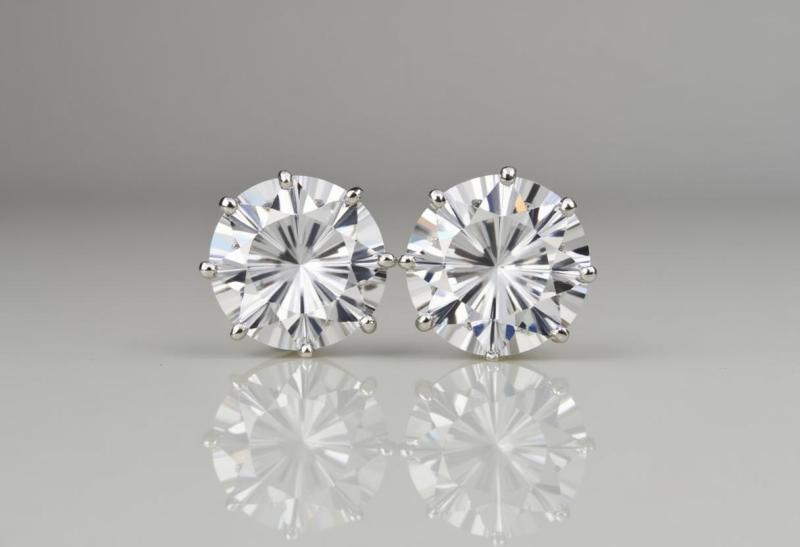
What Are Lab-Grown Diamonds?
Definition and Overview of Lab-Grown Diamonds
Lab-grown diamonds are diamonds that are created in a controlled environment using advanced technology. These diamonds have the same chemical composition, physical properties, and optical brilliance as natural diamonds. They are created through two main processes: High-Pressure High-Temperature (HPHT) and Chemical Vapor Deposition (CVD). Both methods mimic the natural formation of diamonds but in a much shorter time frame.
How Lab-Grown Diamonds Are Created
The HPHT method involves subjecting carbon to high pressure and high temperature, similar to the conditions found deep inside the Earth where natural diamonds form. The CVD method, on the other hand, uses a gas mixture in a vacuum chamber to deposit carbon atoms layer by layer, eventually forming a diamond crystal. These methods ensure that lab-grown diamonds have the same durability, hardness, and brilliance as natural diamonds.
Benefits of Lab-Grown Diamonds
Lab-grown diamonds have several advantages over natural diamonds:
More Affordable: They typically cost 20-40% less than natural diamonds of the same quality.
Sustainable: They are created with minimal environmental impact compared to traditional mining.
Conflict-Free: There is no risk of purchasing a diamond that is sourced unethically or used to fund conflicts.
Factors Affecting Lab-Grown Diamond Prices
The 4C’s: Carat, Color, Clarity, and Cut
Like natural diamonds, lab-grown diamonds are graded based on the 4C’s:
Carat: The size and weight of the diamond, which directly affects its price.
Color: Ranges from colorless to slightly tinted; the more colorless, the more expensive.
Clarity: Refers to internal and external imperfections; higher clarity means a higher price.
Cut: The shape and craftsmanship of the diamond, which influences its brilliance and value.
Origin and Pricing of Lab-Grown Diamonds
Lab-grown diamonds are produced in laboratories, reducing the costs associated with mining. Their prices depend on production methods, technological advancements, and market demand. Since lab-grown diamonds are more affordable to produce, they generally cost significantly less than natural diamonds.
Shape and Its Impact on Pricing
The shape of a diamond affects its price. Round diamonds tend to be the most expensive because they require more rough diamond material and precision cutting. Other shapes, like princess, cushion, oval, pear, and marquise, are often more affordable while still offering stunning brilliance.
Lab-Grown Diamond Earring Prices
Price Range for Lab-Grown Diamond Earrings
Lab-grown diamond earrings come in a wide price range:
Small stud earrings (0.25 - 0.50 carats): $200 - $800
Medium stud earrings (0.75 - 1.0 carat): $1,000 - $2,500
Large stud earrings (1.5 - 2.0 carats and above): $3,000 - $6,000+ Prices vary dephttps://bizbuildboom.com/lab-grown-diamond-rings-for-every-budget-affordable-to-luxury-choices/ending on the quality of the diamonds, metal setting, and brand.
Comparison of Prices from Different Retailers
Different retailers offer varying prices for lab-grown diamond earrings based on their business model. Online retailers often have lower prices than brick-and-mortar stores due to lower overhead costs. Some high-end brands may charge premium prices for branding and craftsmanship.
Factors Affecting Earring Type and Pricing
The design of earrings also impacts pricing. Simple solitaire studs are usually more affordable than halo or drop earrings, which require additional diamonds and more intricate craftsmanship.
Lab-Grown Diamonds vs. Natural Diamonds
Price Comparison of Lab-Grown and Natural Diamonds
Lab-grown diamonds are generally 20-40% cheaper than natural diamonds. For example:
A 1-carat natural diamond may cost $5,000 - $8,000
A 1-carat lab-grown diamond may cost $2,500 - $4,500 This price difference makes lab-grown diamonds a more budget-friendly option.
Value for Money of Lab-Grown Diamonds
Lab-grown diamonds provide excellent value for money as they offer the same physical properties and visual appeal as natural diamonds at a lower price. This allows consumers to purchase a larger or higher-quality diamond within their budget.
Resale Value of Lab-Grown Diamonds
Currently, lab-grown diamonds have a lower resale value than natural diamonds. However, as they gain wider acceptance and demand increases, their resale market may improve over time.
Benefits of Lab-Grown Diamonds
Environmental and Social Benefits
Lab-grown diamonds have a significantly lower environmental footprint compared to mined diamonds. Diamond mining can lead to habitat destruction, water pollution, and ethical concerns regarding labor practices. Lab-grown diamonds eliminate these issues.
Cost Savings Compared to Natural Diamonds
Choosing a lab-grown diamond can save buyers thousands of dollars while still allowing them to own a high-quality diamond piece.
Quality and Durability of Lab-Grown Diamonds
Lab-grown diamonds are identical in hardness and durability to natural diamonds, making them a long-lasting and practical choice for jewelry.
Purchasing Lab-Grown Diamond Earrings
Tips for Buying Lab-Grown Diamond Earrings
When purchasing lab-grown diamond earrings, consider the following tips:
Check Certifications: Look for diamonds certified by organizations such as the Gemological Institute of America (GIA) or the International Gemological Institute (IGI).
Compare Prices: Research different retailers to find the best price for the quality you want.
Read Reviews: Customer reviews can provide insights into a retailer’s product quality and customer service.
Where to Buy Lab-Grown Diamond Earrings
You can buy lab-grown diamond earrings from various sources:
Online Jewelers: Websites like Brilliant Earth, Blue Nile, and James Allen offer competitive pricing and customization options.
Brick-and-Mortar Stores: Some traditional jewelers, like Kay and Zales, now offer lab-grown diamonds in their collections.
Specialty Retailers: Companies specializing in lab-grown diamonds may offer the best selection and value.
How to Ensure Authenticity and Quality
To ensure that you are getting a genuine and high-quality lab-grown diamond, consider:
Certification: Buy from a reputable jeweler that provides grading reports from recognized gemological institutions.
Return Policies: Ensure the retailer has a flexible return and exchange policy in case the product does not meet your expectations.
Warranties: Look for lifetime warranties or service plans that cover maintenance and repairs.
Additional Resources
Related Articles and Guides
“Understanding the 4C’s of Diamonds”
“Lab-Grown vs. Natural Diamonds: Which One Should You Choose?”
“How to Clean and Maintain Your Diamond Earrings”
Diamond Education and Resources
For more educational content about diamonds, visit:
The GIA website for diamond grading information
The IGI website for certification details
Company Information and Contact Details
For more details on lab-grown diamonds, feel free to contact us or visit our website for expert guidance and personalized recommendations.
Lab-grown diamond earrings offer an affordable, ethical, and sustainable alternative to natural diamonds without compromising quality. With proper research and careful selection, you can find the perfect pair that fits your budget and style!
Post Your Ad Here
Comments