Tips for Writing a Strong Skills and Learning Statement (SLS)
Tips for Writing a Strong Skills and Learning Statement (SLS)
Writing a Skills and
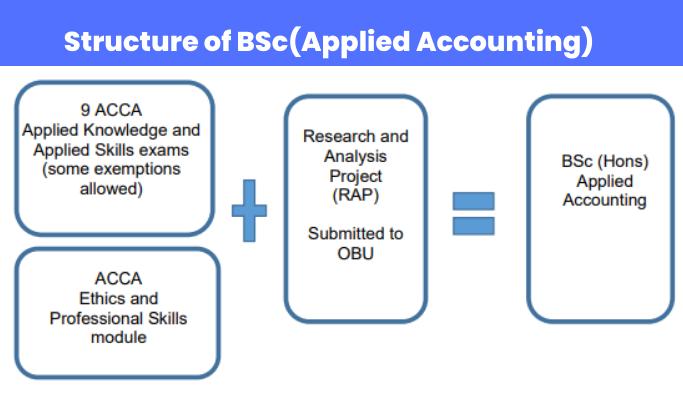
Learning Statement (SLS) is a critical part of the Oxford Brookes University
(OBU) thesis process. The SLS is your opportunity to reflect on the skills
you’ve developed and the lessons you’ve learned while working on your Research
and Analysis Project (RAP). A well-crafted SLS not only demonstrates your
growth but also contributes significantly to your overall grade. If you’re
looking for OBU thesis writing tips to ace your SLS, you’ve
come to the right place. In this article, we’ll share actionable SLS
writing tips to help you create a compelling and high-scoring
statement.
What is the Skills and Learning Statement (SLS)?
The SLS is a
reflective document that accompanies your OBU thesis. It requires you to
critically evaluate your learning journey, focusing on the skills you’ve
acquired and how you’ve applied them during your RAP. The SLS is divided into
four sections, each addressing specific questions posed by OBU. These questions
are designed to assess your ability to reflect, analyze, and communicate
effectively.
Why is the SLS Important?
The SLS is more than
just a formality—it’s a key component of your OBU thesis. It accounts for a
significant portion of your overall grade, and a poorly written SLS can drag
down an otherwise strong RAP. By following these SLS writing tips,
you can ensure that your statement stands out and showcases your growth as a
student and researcher.
Tips for Writing a Strong SLS
Here are some
practical OBU thesis writing tips to help you craft a standout
Skills and Learning Statement:
1. Understand the SLS Questions
Before you start
writing, familiarize yourself with the four SLS questions provided by OBU.
These questions typically focus on:
- Your approach to the RAP.
- The skills you’ve developed.
- Challenges you faced and how you overcame them.
- How the RAP has contributed to your personal and
professional growth.
Make sure you address
each question thoroughly and stay within the word limit (usually 1,000–1,500
words for the entire SLS).
2. Be Reflective, Not Descriptive
The SLS is not a
summary of your RAP. Instead, it’s a reflective piece where you analyze your
experiences and growth. Avoid simply describing what you did; instead, focus
on how and why you did it. For example:
- Instead of saying, “I conducted a survey,” explain why
you chose that method and how it helped you achieve your research
objectives.
- Reflect on what you learned from the process and how it
has improved your skills.
3. Highlight Key Skills
OBU places a strong
emphasis on skill development. Use the SLS to showcase the skills you’ve honed
during your RAP, such as:
- Research and analytical skills.
- Time management and organization.
- Critical thinking and problem-solving.
- Communication and presentation skills.
Provide specific
examples of how you applied these skills and how they contributed to your
success.
4. Address Challenges Honestly
Don’t shy away from
discussing the challenges you faced during your RAP. Examiners appreciate
honesty and want to see how you overcame obstacles. For example:
- Did you struggle with data collection or analysis?
Explain how you addressed these issues.
- Were there any time management challenges? Describe the
strategies you used to stay on track.
By addressing
challenges, you demonstrate resilience and problem-solving abilities—qualities
that are highly valued in academic and professional settings.
5. Use a Structured Format
A well-organized SLS
is easier to read and makes a stronger impression. Use the following structure
to ensure clarity and coherence:
- Introduction: Briefly
introduce your RAP and the purpose of the SLS.
- Body: Address
each of the four SLS questions in separate sections. Use headings and
subheadings to break up the text.
- Conclusion: Summarize
your key reflections and highlight your overall growth.
6. Be Specific and Provide Evidence
Avoid vague statements
like “I learned a lot” or “I improved my skills.” Instead, be specific and
provide evidence to support your claims. For example:
- Instead of saying, “I improved my research skills,”
explain how you learned to use advanced research tools or techniques.
- Provide examples of how your improved skills led to
better outcomes in your RAP.
7. Proofread and Edit
A polished SLS
reflects your attention to detail and commitment to quality. After writing your
statement:
- Proofread for grammar, spelling, and punctuation
errors.
- Ensure your writing is clear, concise, and free of
jargon.
- Check that you’ve addressed all four SLS questions and
stayed within the word limit.
If possible, ask a
mentor, peer, or professional editor to review your SLS and provide feedback.
8. Seek Professional Guidance
If you’re struggling
with your SLS, don’t hesitate to seek OBU thesis help. Professional
services like Help with Dissertation can provide expert guidance, helping you
craft a compelling and high-scoring statement. Whether you need help with
structure, content, or editing, professional support can make a significant
difference.
Common Mistakes to Avoid
Even with the best SLS
writing tips, it’s easy to make mistakes. Here are some common pitfalls to
watch out for:
- Being too descriptive: Focus on reflection, not description.
- Ignoring the questions: Make sure you address all four SLS questions.
- Exceeding the word limit: Stick to the guidelines to avoid penalties.
- Lack of evidence: Support
your claims with specific examples.
- Poor formatting: Use
headings, subheadings, and paragraphs to improve readability.
How the SLS Contributes to Your Overall Grade
The SLS is worth 20%
of your total OBU thesis grade, so it’s essential to take it seriously. A
strong SLS can boost your overall score, while a weak one can drag it down. By
following these OBU thesis writing tips, you can create an SLS that
demonstrates your growth, skills, and commitment to excellence.
Final Thoughts
Writing a strong
Skills and Learning Statement (SLS) is a crucial step in your OBU thesis
journey. By reflecting on your experiences, highlighting your skills, and
addressing challenges, you can create a compelling statement that impresses
examiners and contributes to your success. If you need additional support,
consider seeking OBU thesis help from professionals who
specialize in guiding students through the process.
Remember, the SLS is
your chance to showcase your growth and learning. Take the time to craft a
thoughtful, well-structured statement, and you’ll be one step closer to
achieving your academic goals. For more OBU thesis writing tips and
expert guidance, visit OBU thesis help.

Post Your Ad Here
Comments