Find Your Inspiration at Pikey Peak: A Motivational Trekking Experience
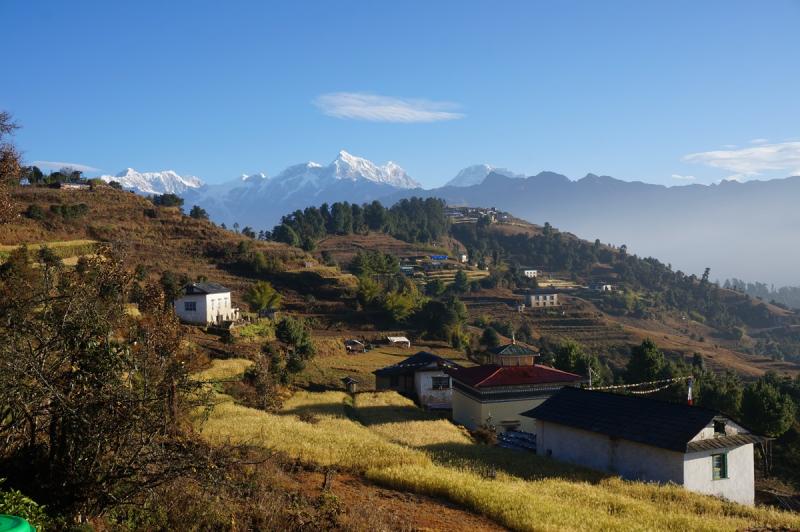
Introduction to Pikey Peak Trek
The Pikey Peak Trek offers adventurers an incredible opportunity to experience the mesmerizing beauty of the Himalayas. Known for its panoramic views of Mount Everest (8,848.86 meters) and other Himalayan giants, this trek provides a serene and culturally enriching experience. Located in the Solukhumbu region of Nepal, Pikey Peak is an emerging trekking destination that promises breathtaking scenery, captivating trails, and interactions with the warm and hospitable Sherpa communities.
Why Choose Pikey Peak Trek?
The Pikey Peak Trek is often considered a hidden gem for trekking enthusiasts. Unlike the crowded routes of Everest Base Camp (EBC) or Annapurna Circuit, Pikey Peak offers a peaceful and more intimate encounter with nature.
Here are some compelling reasons to choose this trek:
- Spectacular Views: Enjoy panoramic views of Everest, Kanchenjunga, Makalu, and even Annapurna.
- Off-the-Beaten-Path: Experience remote and pristine landscapes without the crowds.
- Cultural Immersion: Engage with local Sherpa culture and visit ancient monasteries.
- Moderate Difficulty: Suitable for both novice and experienced trekkers.
- Accessibility: Compared to other Himalayan treks, it requires a shorter duration and less logistical complexity.
Best Time to Trek to Pikey Peak
The best seasons for the Pikey Peak Trek are Spring (March to May) and Autumn (September to November). During these periods, the weather remains stable, skies are clear, and temperatures are pleasant. Winter (December to February) can also be an option for trekkers who enjoy solitude and can withstand colder temperatures.
Trek Route and Itinerary
Day 1: Arrival in Kathmandu
Your journey begins with your arrival in Kathmandu, Nepal’s bustling capital. Take the day to explore iconic sites such as Swayambhunath (Monkey Temple) and Durbar Square, or simply prepare for your trek.
Day 2: Drive to Dhap (2,850 meters)
A scenic drive of approximately 8-9 hours takes you from Kathmandu to Dhap, the starting point of the trek. Enjoy stunning views of terraced fields and small mountain settlements along the way.
Day 3: Trek from Dhap to Jhapre (2,920 meters)
This 4-5 hour trek takes you through lush forests and charming villages. Jhapre is known for its beautiful monasteries and awe-inspiring mountain views.
Day 4: Trek from Jhapre to Pikey Base Camp (3,640 meters)
A challenging but rewarding 6-hour trek leads you to Pikey Base Camp. The trail offers captivating views and passes through rhododendron forests.
Day 5: Sunrise at Pikey Peak and Trek to Junbesi (2,700 meters)
Wake up early to witness a magical sunrise from Pikey Peak. The view of Mount Everest glowing in the morning light is unforgettable. After enjoying the spectacle, descend to Junbesi, a picturesque Sherpa village.
Day 6: Explore Junbesi and Visit Thupten Chholing Monastery
Spend the day exploring Junbesi and visit the Thupten Chholing Monastery, a serene and spiritually significant site for Tibetan Buddhism.
Day 7: Trek to Phaplu (2,469 meters)
A gentle trek of about 5 hours takes you to Phaplu, where you can relax and enjoy your final evening in the Solukhumbu region.
Day 8: Drive Back to Kathmandu
Return to Kathmandu by jeep, reminiscing about the incredible experiences of the trek.
Cultural Highlights
Sherpa Villages: Gain insight into the lifestyle and traditions of the Sherpa community.
Monasteries: Visit ancient monasteries adorned with vibrant prayer flags and intricate Buddhist art.
Local Cuisine: Savor traditional dishes such as Dal Bhat, Sherpa stew, and Yak cheese.
Flora and Fauna
The Pikey Peak Trek takes you through diverse landscapes, including rhododendron forests, alpine meadows, and lush green valleys. Wildlife enthusiasts may spot red pandas, musk deer, and a variety of Himalayan birds.
Trekking Tips and Preparation
Physical Fitness: Engage in regular cardio and strength training exercises before the trek.
Packing Essentials: Include thermal wear, waterproof clothing, a good pair of trekking boots, and a sleeping bag.
Acclimatization: Although the trek is at a moderate altitude, staying hydrated and maintaining a steady pace is crucial.
Permits: Obtain the necessary permits, including the TIMS (Trekkers' Information Management System) card and Gaurishankar Conservation Area Permit (GCAP).
Guides and Porters: Hiring a local guide and porter can enhance your trekking experience and support the local economy.
Accommodation and Food
During the trek, accommodation is typically in teahouses, which offer basic amenities and warm hospitality. Meals usually consist of hearty Nepali dishes such as Dal Bhat, noodles, and vegetable curries. The teahouses also provide warm drinks to keep you energized.
Environmental Responsibility
As responsible trekkers, we must practice Leave No Trace (LNT) principles. Avoid littering, respect local customs, and minimize the use of plastic.
Conclusion
The Pikey Peak Trek is a remarkable adventure that combines stunning landscapes, rich cultural experiences, and a sense of tranquility. Whether you're an avid trekker or a nature enthusiast, this trek promises memories that will last a lifetime.

Post Your Ad Here
Comments