Are Remote Depositions Allowed In All States?
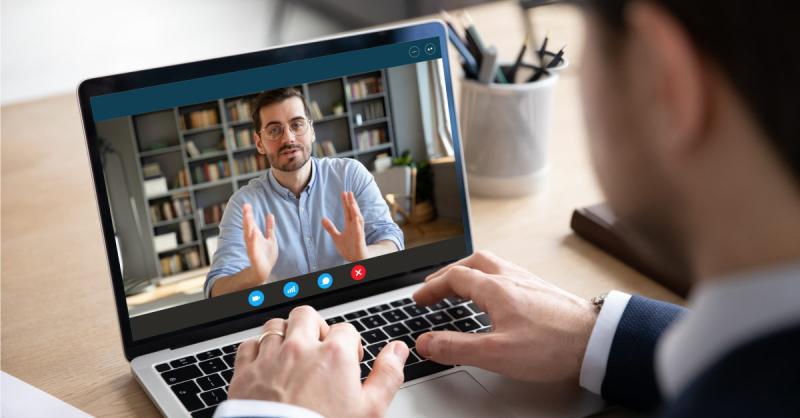
The landscape of legal proceedings has changed dramatically in recent years, particularly with the rise of remote technology. Remote depositions have become an essential tool in the legal process, offering convenience, flexibility, and cost-efficiency. However, the question remains: Are remote depositions allowed in all states? As more jurisdictions embrace virtual legal proceedings, it's important to understand the legal framework surrounding remote depositions and how they are regulated. A remote court reporter plays a critical role in maintaining the accuracy of these depositions, but the laws governing their use vary across states.
The Legal Framework for Remote Depositions
Remote depositions have gained significant traction, especially during the COVID-19 pandemic when in-person proceedings became difficult or unsafe. The legal framework for these remote proceedings, however, varies across states. While many jurisdictions have passed temporary or permanent rules permitting remote depositions, some still maintain restrictions.
In some states, remote depositions are allowed under certain conditions. For example, they may be permitted when the witness is outside the state or when all parties involved agree to the virtual format. In other states, remote depositions may be allowed only in specific circumstances, such as emergencies or where a witness cannot appear in person due to illness or travel restrictions. Understanding the specific laws and regulations in each jurisdiction is essential for legal professionals who want to use remote depositions effectively.
Factors Influencing the Legality of Remote Depositions
Several factors influence whether remote depositions are allowed in a given state. The first and foremost factor is the state’s judicial rules and local laws. Some states have amended their rules of civil procedure to explicitly permit remote depositions, while others have not yet made changes to accommodate virtual proceedings.
Additionally, the nature of the case and the location of the parties can affect whether remote depositions are permitted. For instance, cases involving out-of-state witnesses are more likely to see the use of remote depositions, as it saves time and travel expenses. However, for cases that involve witnesses within the same jurisdiction, some states still require in-person depositions to maintain fairness and avoid potential challenges to the deposition's validity.
The technology used during remote depositions also plays a role in determining whether they are allowed. Courts are more likely to approve remote depositions if they are conducted using secure platforms that ensure the integrity and confidentiality of the proceedings. This is where the involvement of a remote court reporter becomes crucial, as they help ensure that the transcription of the proceedings is accurate and legally admissible.
The Role of a Remote Court Reporter
A remote court reporter is essential for ensuring that remote depositions are conducted accurately and efficiently. Court reporters capture everything said during the deposition, which is then transcribed for the official record. In a remote deposition, the court reporter works in much the same way as in an in-person session, except that they are often operating from a remote location.
For remote depositions to be valid, the court reporter must adhere to strict protocols regarding timing, accuracy, and security. They use specialized software and equipment to ensure that the deposition is recorded correctly and that all participants are able to hear and understand the proceedings. The involvement of a skilled court reporter is particularly important when dealing with multiple parties in different locations, as they can help manage the logistics of the session and ensure that the record is clear and accurate.
States That Have Embraced Remote Depositions
Several states have already embraced remote depositions and made them a regular part of their legal process. For example, California, New York, and Texas have passed laws or enacted rules that allow for remote depositions in both civil and criminal cases. These states have recognized the benefits of virtual depositions, such as reducing travel costs and improving access to justice.
In California, remote depositions are permissible under the California Code of Civil Procedure, and they have been widely used in both state and federal courts. Similarly, New York has updated its rules to allow remote depositions during the pandemic and has continued to allow them in certain situations post-pandemic. Texas also made permanent provisions for remote depositions following the COVID-19 pandemic, enabling attorneys and witnesses to participate in proceedings virtually when necessary.
While these states have embraced remote depositions, it’s important to note that each jurisdiction may have its own specific rules and guidelines for their use. Therefore, it's essential to check the local rules before scheduling a remote deposition.
Challenges and Concerns Regarding Remote Depositions
Despite the growing acceptance of remote depositions, there are still several challenges and concerns that must be addressed. One of the primary concerns is the potential for technical difficulties. Internet connectivity issues, software malfunctions, and problems with audio or video quality can disrupt the flow of the deposition and affect the accuracy of the record. This can lead to delays and additional costs for all parties involved.
Another challenge is the question of security. Remote depositions must be conducted on secure platforms to protect the confidentiality of the proceedings. Any breach of security could compromise sensitive information, leading to legal complications. To mitigate this risk, courts often require that all participants use approved software and follow strict security protocols.
Additionally, some parties may be concerned about the fairness of remote depositions, particularly when it comes to witness testimony. For instance, there may be concerns about the ability to effectively cross-examine a witness or the possibility of coaching during a virtual session. While these concerns are valid, they can usually be mitigated with the right technology and safeguards in place.
Conclusion:
Remote depositions are not universally permitted in all states, and the regulations surrounding them vary. Some states have embraced the technology and passed laws to make remote depositions a regular part of the legal process, while others have been slower to adapt. The role of a remote court reporter is vital in ensuring the accuracy and integrity of these proceedings, as they help ensure that everything said during the deposition is properly recorded and transcribed.
As the legal profession continues to adapt to new technologies, it is essential for legal professionals to stay informed about the rules governing remote depositions in their jurisdiction. With the right preparation, remote depositions can offer a convenient, cost-effective alternative to in-person proceedings while maintaining the integrity of the legal process.
Post Your Ad Here
Comments